The Day Bing Crosby Left Live Radio Behind — Ampex and the Birth of Tape Recording
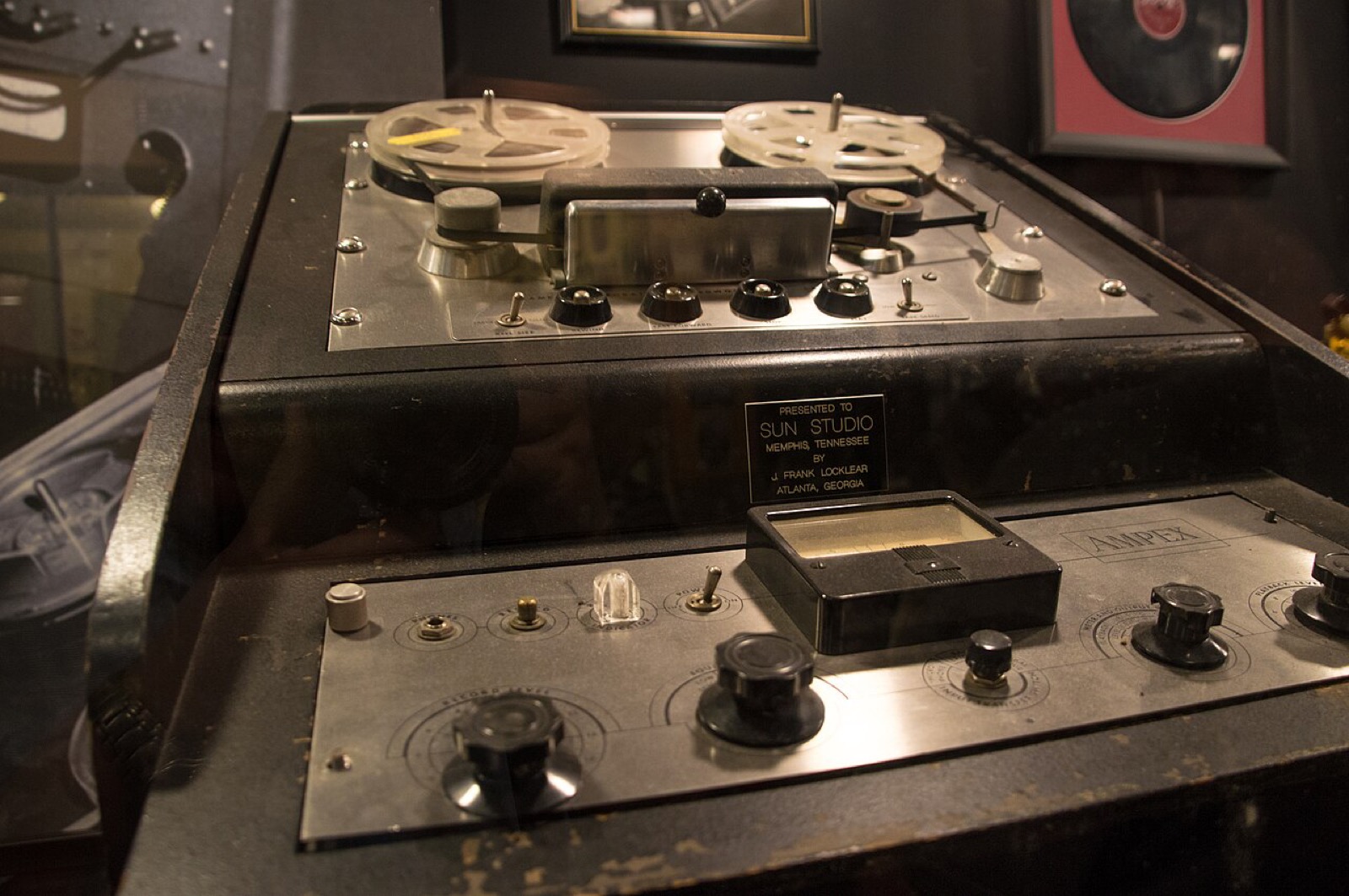
☕ A coffee-length story — about an 11-minute read. Enjoy this as a story, not a research assignment. After the war, a remarkable recorder brought back from Germany met a popular singer—and changed the history of music and television.
Prologue — The Man Who Sang the Same Show Twice
In 1940s America, radio was the great family pastime.
At its peak stood singer Bing Crosby, known for “White Christmas” and one of the most popular stars in the country.
But Crosby had a problem.
America is vast, and the East and West Coasts are three hours apart. Radio programs were almost always broadcast live, so a popular show might be performed twice: once for the East Coast, then again for the West. The same show, live, two times over, was hardly unusual.
“If only we could record it ahead of time,” he must have thought.
The recording technology of the day could not capture and replay a program with the same sound quality as a live broadcast. The machine that broke through that barrier had been brought back from Germany after the war.
📝 About this story
I’ve shaped this story from years of reading books, interviews, and manufacturers’ materials. I’ve tried to stick to the facts, but I wasn’t there, so some nicknames and commonly repeated accounts may have crept in. I’ve separated disputed stories into a “Legend & Lore” section and gathered the sources at the end.
Chapter 1 — The “Magic Recording Machine” from Germany
In 1945, as World War II came to an end, Major Jack Mullin, who served in the U.S. Army Signal Corps, came across a remarkable machine in occupied Germany.
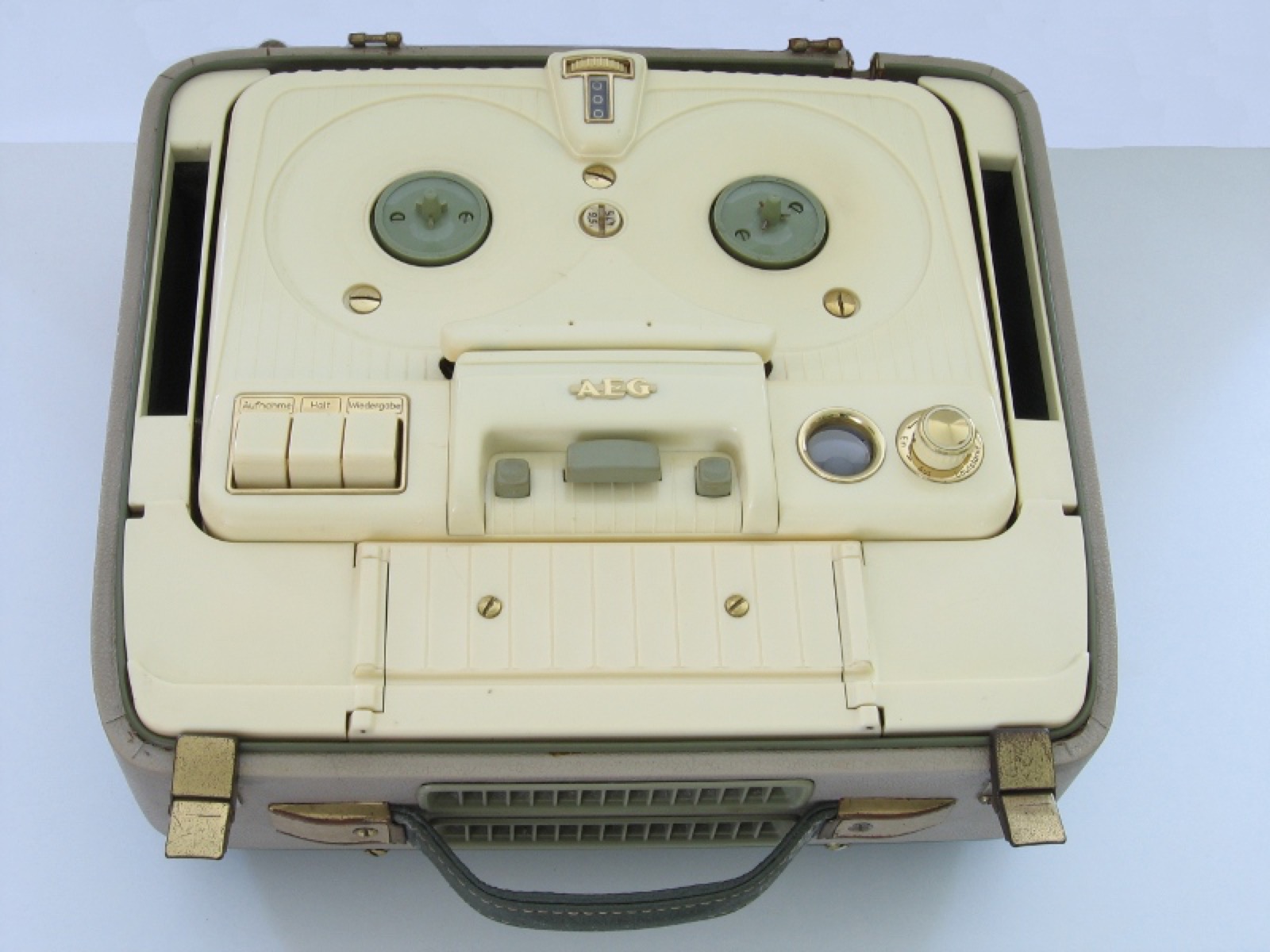
It was the Magnetophon, a tape recorder made by the German electrical company AEG.
The machine recorded sound magnetically onto a narrow strip of plastic tape. Until then, recordings were mainly made by cutting grooves into discs or recording onto steel wire. They were noisy, and editing was nearly impossible.
The Magnetophon sounded astonishingly clear. There is a story that Allied soldiers listening to German radio broadcasts during the war wondered, “Why is an orchestra playing live in the middle of the night?” In fact, what they heard had been recorded on tape.
Mullin brought the machine back to America and began improving it.
An Engineer from Russia
Around the same time, an engineer from Russia was in California: Alexander M. Poniatoff.
In 1944, Poniatoff had started a small company in San Carlos, California. He named it Ampex, taking the initials of his name, “A-M-P,” and adding “ex.” The name “AMP” was already in use by another company, it is said.
After the war, Poniatoff was looking for new work. When he heard about the German tape recorder, he had an idea:
“Let’s build this machine in America.”
(From here, the story follows Poniatoff’s fateful meeting with Bing Crosby, the birth of the legendary Model 350, Les Paul’s multitrack recordings, and the “video tape” that changed television.)