From the Brink of Bankruptcy to the Top — Jobs Returns and the iPhone Arrives (1985–2011)
☕ A coffee-length story — about a 14-minute read. A story to enjoy, not a research paper. This is the second chapter in the story of Apple: how its ousted founder returned after more than a decade away and turned a company on the brink of bankruptcy into the most valuable company in the world.
Prologue — January 9, 2007
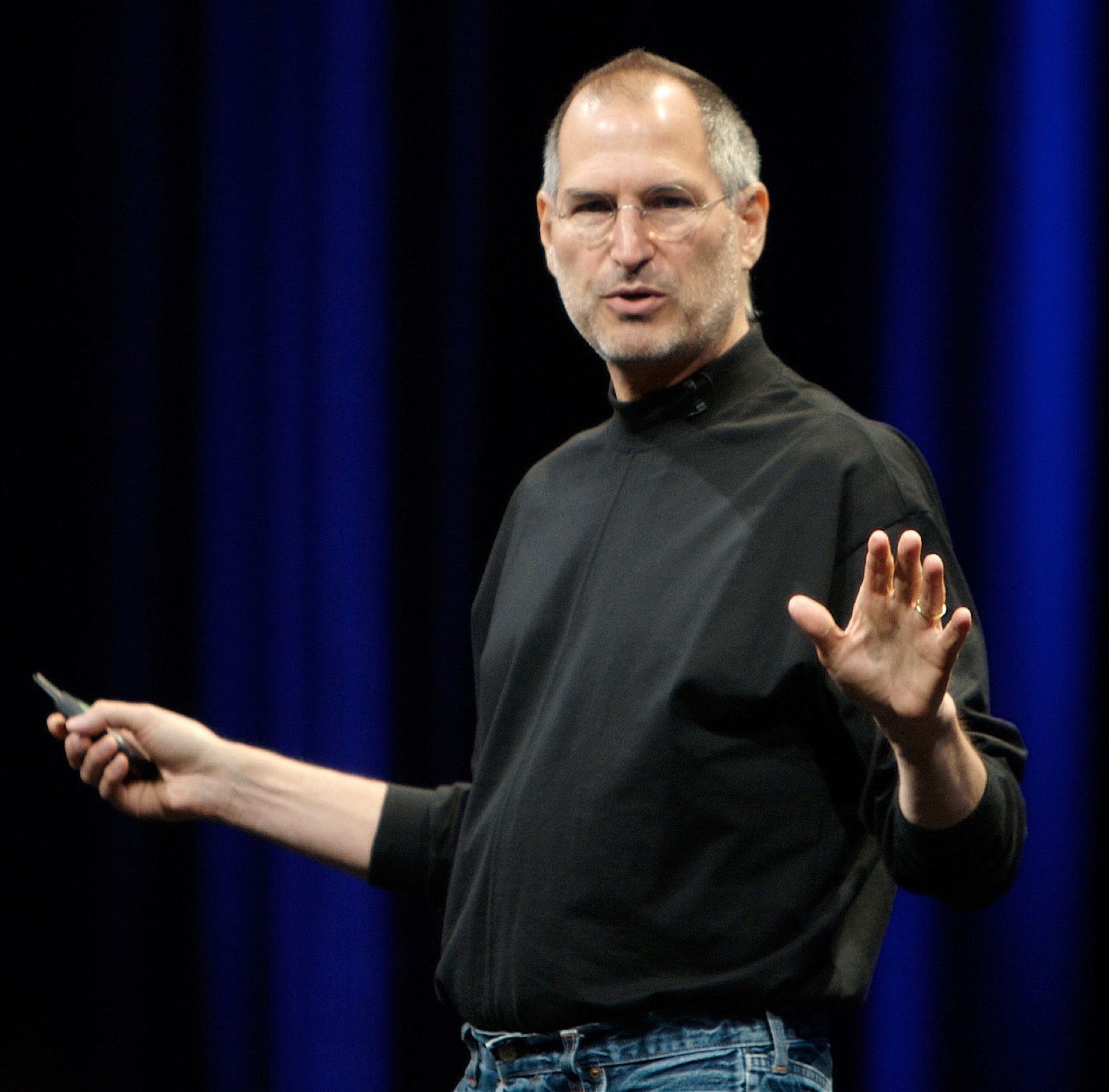
January 9, 2007, in San Francisco. A man in a black turtleneck, jeans, and sneakers stood on a large stage.
“Today, we’re introducing three revolutionary products.” One was a widescreen iPod with touch controls. One was a revolutionary mobile phone. And one was a breakthrough internet communications device.
After repeating those three things several times, the man smiled and said, “Are you getting it? These are not three separate devices. This is one device.”
The audience gasped. The product was the iPhone.
The man was Steve Jobs—the same man who had been forced out of the company he founded 22 years earlier.
How had he made his way back? And how had a company on the verge of bankruptcy become one of the most valuable in the world?
📝 About this story
This story draws on books, interviews, and company materials I’ve read over many years. I’ve tried to stay as close to the facts as possible, though I wasn’t there at the time and some popular accounts or common lore may have crept in. Stories with disputed details are separated into “Legend & Lore” sections. Sources are listed at the end.
Chapter 1 — The Ousted Founder’s Detour
NeXT: A Beautiful Black Box
After leaving Apple in 1985, Jobs quickly started a new company: NeXT.
NeXT built high-performance computers for universities and researchers. Announced in 1988, the black cube known as the NeXTcube drew attention for its striking design.
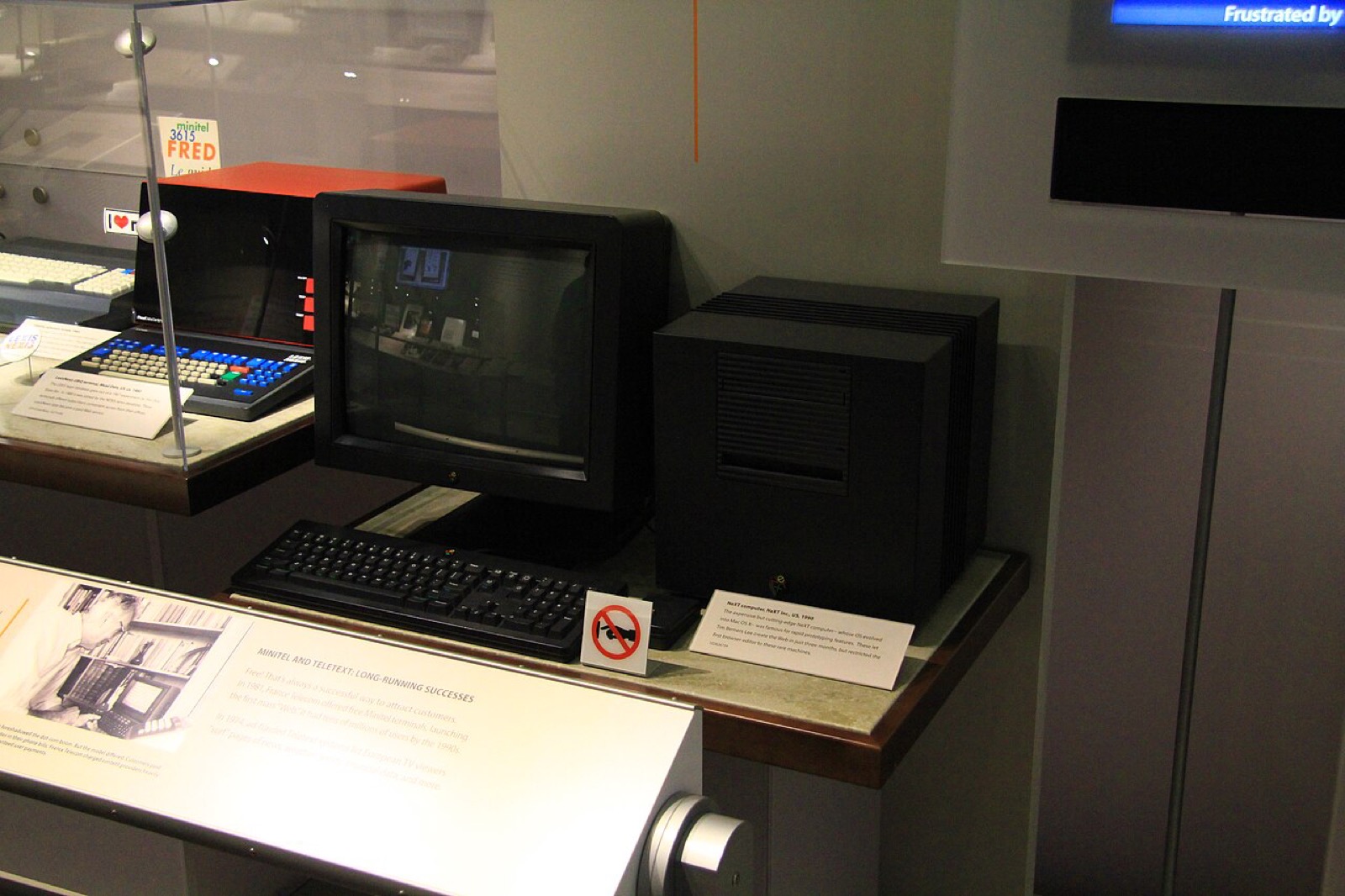
But it was expensive and didn’t sell as well as hoped. NeXT eventually stopped making computers and chose to survive as a software company.
As a business, NeXT came close to failure. Yet its computer found an unexpected place in history. At a research institute in Switzerland, a researcher used a NeXT machine to build something we use every day: the World Wide Web (WWW).
The solid software foundation built for NeXT would later help save Apple.
Pixar: Another Gamble
In 1986, Jobs made another purchase. He bought the computer graphics division from Lucasfilm, the studio behind Star Wars. The company was called Pixar.
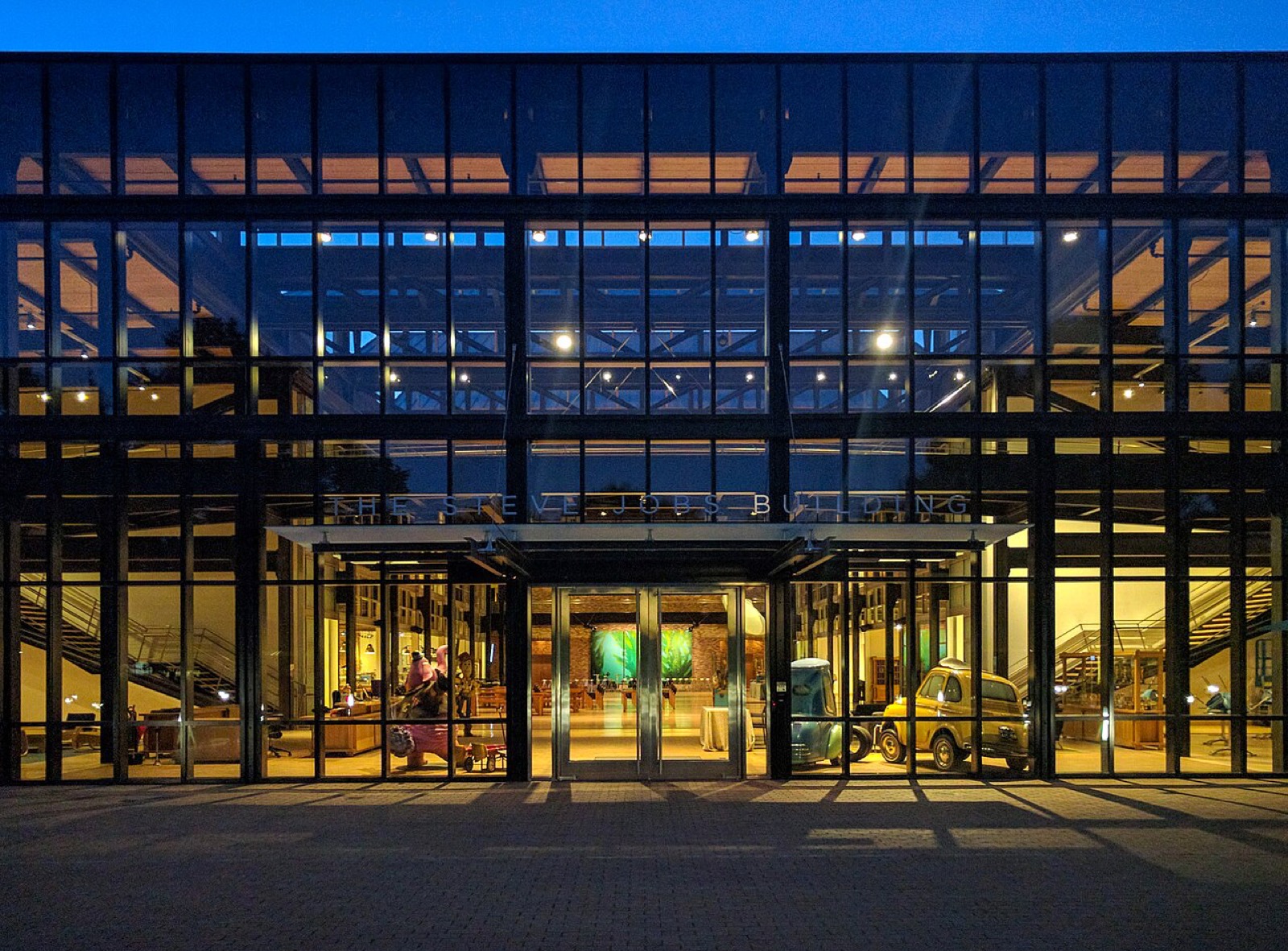
At first, Pixar sold specialized computers, but those didn’t sell well either. For years, Jobs kept pouring his own money into the company.
Some people at Pixar were passionate about computer-generated animation. They kept making short films, then eventually teamed up with Disney to take on a feature-length movie.
In 1995, the world’s first feature-length, fully computer-animated film was released: Toy Story.
It was a huge hit. Pixar went public, and Jobs found great success once again.
Now let’s turn to the story of how Apple, pushed to the brink of bankruptcy, asked the man it had driven out to come back and save it.