Oil Exploration Technology That Changed the Pop Voice — Auto-Tune
☕ A coffee-length story
About a 9-minute read. Settle in and enjoy it as a story, not a research paper.
How did technology for studying what lies beneath the ground end up changing the sound of singing? Here's an unexpected connection.
Prologue — 1998: The “Robot Voice”
In 1998, a dance-pop song came over the radio in the UK.
The singer was Cher, an American veteran performer. The song was “Believe.”
But listeners found themselves questioning what they were hearing at one point in the song.
The voice jumped from note to note in stiff, robotic steps.
It was a human voice with a mechanical quality. That strange sound would go on to reshape pop and hip-hop around the world.
The sound came from software called Auto-Tune. And its inventor wasn't a musician. He was an engineer who had been searching for oil deep underground.
About this story
This story draws on books, interviews, and manufacturers’ materials I’ve read over the years. I’ve tried to stick to the facts, but I wasn’t there at the time, so some nicknames and commonly told stories may have made their way in. I separate disputed stories into a “Legend & Lore” section and list sources at the end.
The Engineer Who “Listened” Beneath the Ground
Andy Hildebrand
Auto-Tune was created by an engineer named Andy Hildebrand.
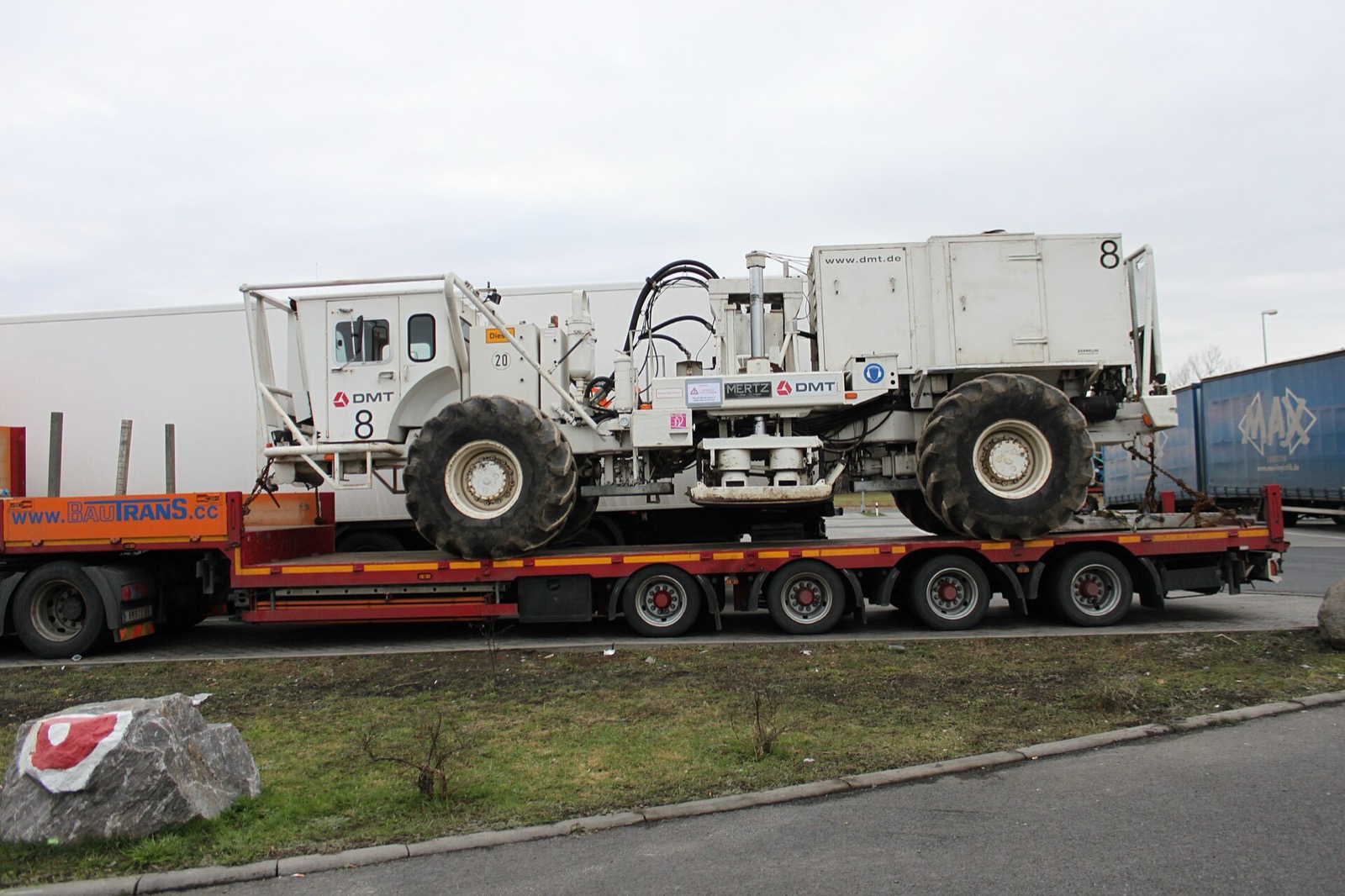
Hildebrand was a researcher with a PhD who spent many years working in oil exploration. The job involved sending vibrations into the ground and analyzing the seismic waves that came back to find where oil might be buried.
One method used in that work was a mathematical technique called autocorrelation. It helps identify the patterns repeating within a wave.
A Comment Over Dinner
A story often told about how Hildebrand came up with Auto-Tune starts at a dinner.
A colleague’s wife reportedly joked: “I wish there were a machine that could help me sing in tune.”
Hildebrand started thinking. The pitch of a voice depends on how many times its sound wave repeats each second. So, could the technology he used to analyze waves underground also detect the pitch of a voice?
Making a “Too-Heavy” Calculation Fast
The idea of using autocorrelation to find pitch had been around for some time. The calculations, however, were so demanding that processing a voice in real time was considered impossible.
Hildebrand found a way to make those calculations much faster. The mathematical knowledge he had developed in oil exploration came in handy.
1997: Auto-Tune Is Born
Introduced at the NAMM Show
In 1997, Hildebrand introduced Auto-Tune through his own company, Antares Audio Technologies. The product was unveiled at the NAMM Show, a trade show for musical instruments. It went on sale in September 1997.
Auto-Tune’s basic idea is simple:
- Detect the pitch of a vocal in real time.
- Automatically correct it to the nearest “right” note.
The original goal was to gently fix slightly off-pitch notes so listeners wouldn’t notice.
A Control Called “Retune Speed”
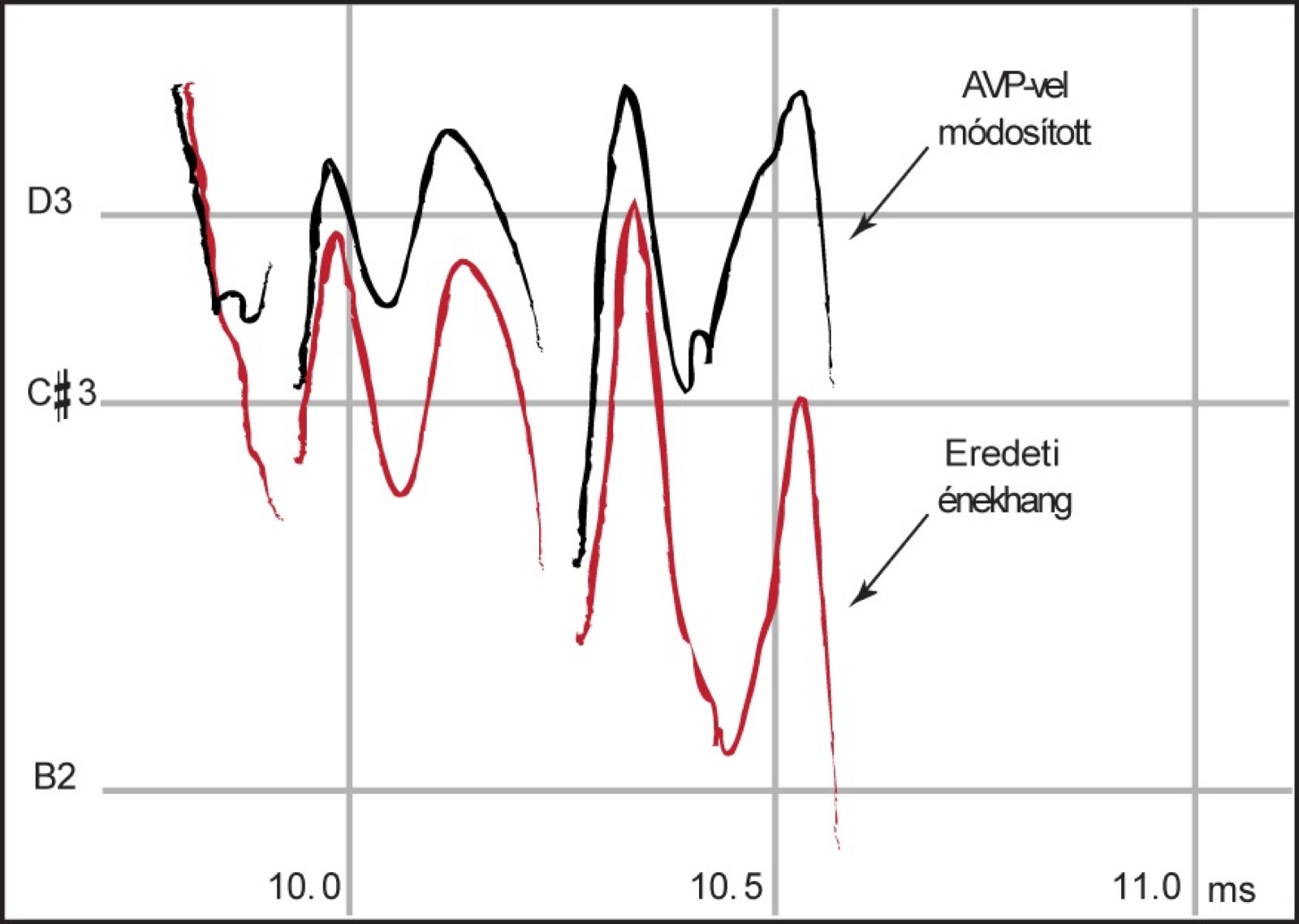
Auto-Tune included a setting that controlled how quickly it corrected pitch.
With slower correction, the software could leave a singer’s natural fluctuations intact while quietly bringing the pitch into line. But set the correction speed extremely fast and—
The pitch would snap from one note to the next like a staircase. The result sounded mechanical, almost impossible to mistake for a human voice.
The “Cher Effect”
The Impact of “Believe”
The “Believe” from our prologue deliberately used this extreme setting as an effect.
The correction was supposed to work “invisibly,” but the production made it stand out on purpose. The resulting robotic voice became a sensation around the world. “Believe” was a global hit, and the sound came to be known as the “Cher effect.”
🎙 Legend & Lore: “We Used a Vocoder”?
It’s said that the team behind “Believe” initially kept the source of that unusual vocal sound under wraps. One story says they told people they had used a vocoder, a machine that combines a voice with the sound of an instrument.
Perhaps they didn’t want other producers copying their new “secret weapon.” The truth is unclear, but there’s no doubt the sound made a powerful impression.
T-Pain, and the Backlash
The “T-Pain Effect”
In the 2000s, the use of Auto-Tune as an audible effect spread through hip-hop and R&B.
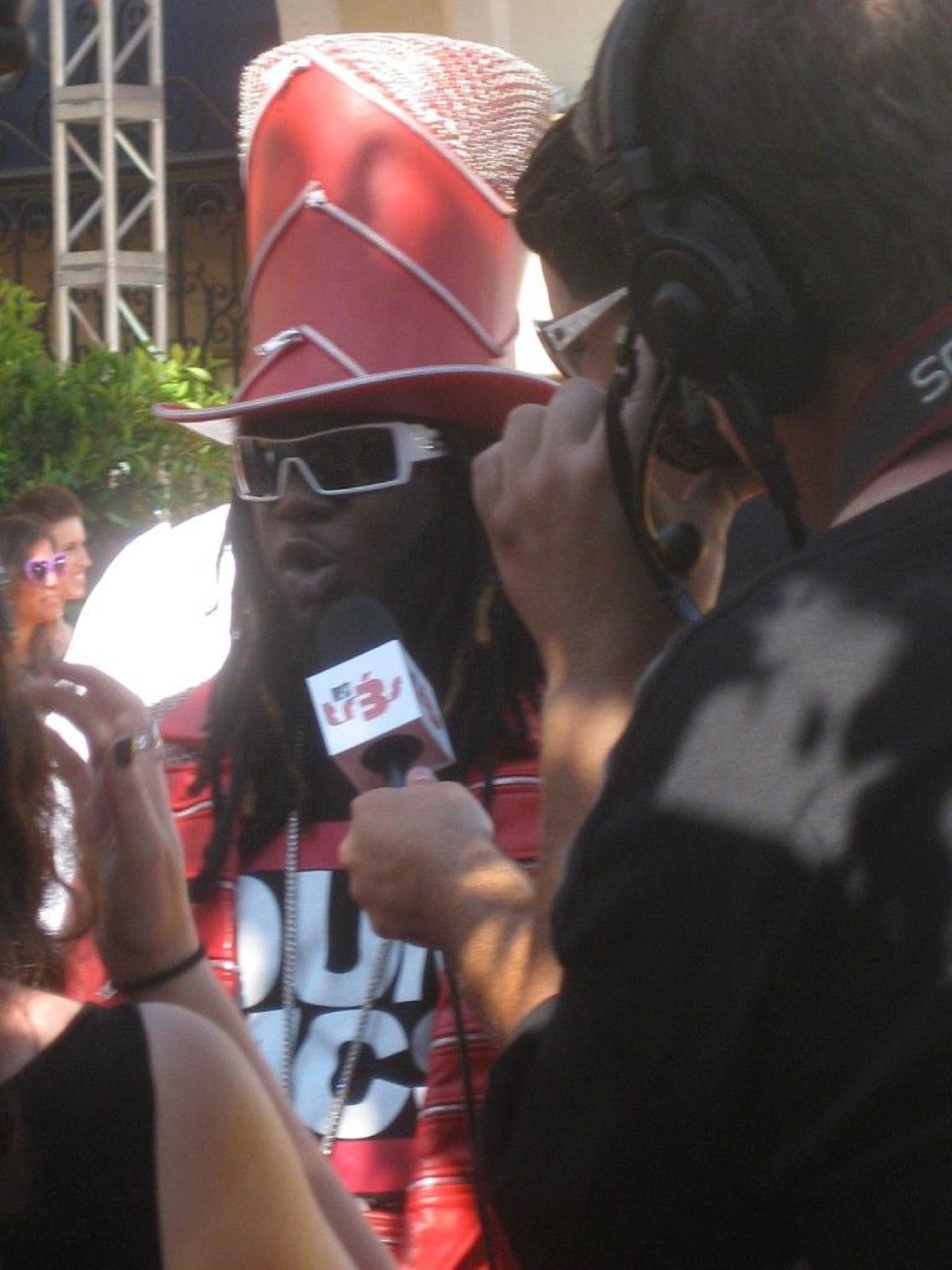
At the center of that shift was T-Pain, an American singer. He pushed the robotic Auto-Tune sound to the front of almost every song, making it his trademark. The effect came to be called the “T-Pain effect.”
In 2008, Auto-Tuned vocals also featured prominently on Kanye West’s album 808s & Heartbreak. (That album comes up in my separate story about the TR-808, too.)
“Death of Auto-Tune”
The popularity of Auto-Tune also sparked a backlash.
In 2009, rapper Jay-Z criticized its overuse in the song “D.O.A. (Death of Auto-Tune).” At that year’s Grammy Awards, rock band Death Cab for Cutie appeared wearing blue ribbons to protest the overuse of Auto-Tune. Time magazine named it one of the “50 Worst Inventions.”
“It's a tool for people who can’t sing to fake it.” That kind of criticism followed Auto-Tune everywhere.
Still, a “Musical Instrument”
Still, plenty of people saw Auto-Tune as a new tool for creative expression. Artists such as Thomas Bangalter of Daft Punk have spoken about the new possibilities it could open up.
From the mid-2010s on, Auto-Tuned vocals became one of the defining sounds of trap, a style of hip-hop. Today, the Auto-Tune voice is accepted as a “musical instrument” in its own right, rather than a way to “cheat.”
Epilogue — Correction You Can’t Hear, Effect You Can
An engineer had been analyzing the “repetitions” in waves to search for oil underground. He built a tool to fix slightly off-pitch notes without anyone noticing.
But musicians chose to make that tool heard instead of hiding it. Cher’s “Believe,” T-Pain, and trap: a technology that was meant to work behind the scenes became the sound of its time.
Today, much of the pitch correction and vocal editing done with tools like Auto-Tune happens inside recording software on a computer. Instead of tape, vocals are cut, joined, and tuned on a screen. I tell the story of the software that helped create this “tape-free studio” in a separate article, “The Story of Pro Tools.” If you’re curious about how music-making moved “inside the computer,” you might enjoy that story, too.
Auto-Tune Timeline
- 1990s: Andy Hildebrand develops a way to detect pitch based on analysis techniques used in oil exploration.
- 1997: Antares Audio Technologies introduces Auto-Tune at the NAMM Show. It goes on sale in September.
- 1998: Cher releases “Believe.” The “Cher effect” becomes a talking point.
- 2000s: T-Pain uses the effect extensively, giving rise to the “T-Pain effect.”
- 2008: Kanye West releases 808s & Heartbreak.
- 2009: Jay-Z releases “D.O.A. (Death of Auto-Tune).” Death Cab for Cutie protests at the Grammy Awards.
- Mid-2010s onward: Auto-Tuned vocals become one of trap’s defining sounds.
References
- Wikipedia: “Auto-Tune,” “Andy Hildebrand,” and “Believe (Cher song)” (English editions)
- Antares Audio Technologies official website
Photo credits
- Header image, “MERTZ Vibroseis Vehicle left” — LutzBruno / Wikimedia Commons / CC BY 3.0
- “Autotune” — Tóth Péter / Wikimedia Commons / CC BY-SA 3.0
- “T-Pain 2008 MTV VMA” — Philip Nelson / Wikimedia Commons / CC BY-SA 2.0