[Kawasaki Motorcycle History] The Alluring Ninja — The Day the GPZ900R Became 'Ninja'
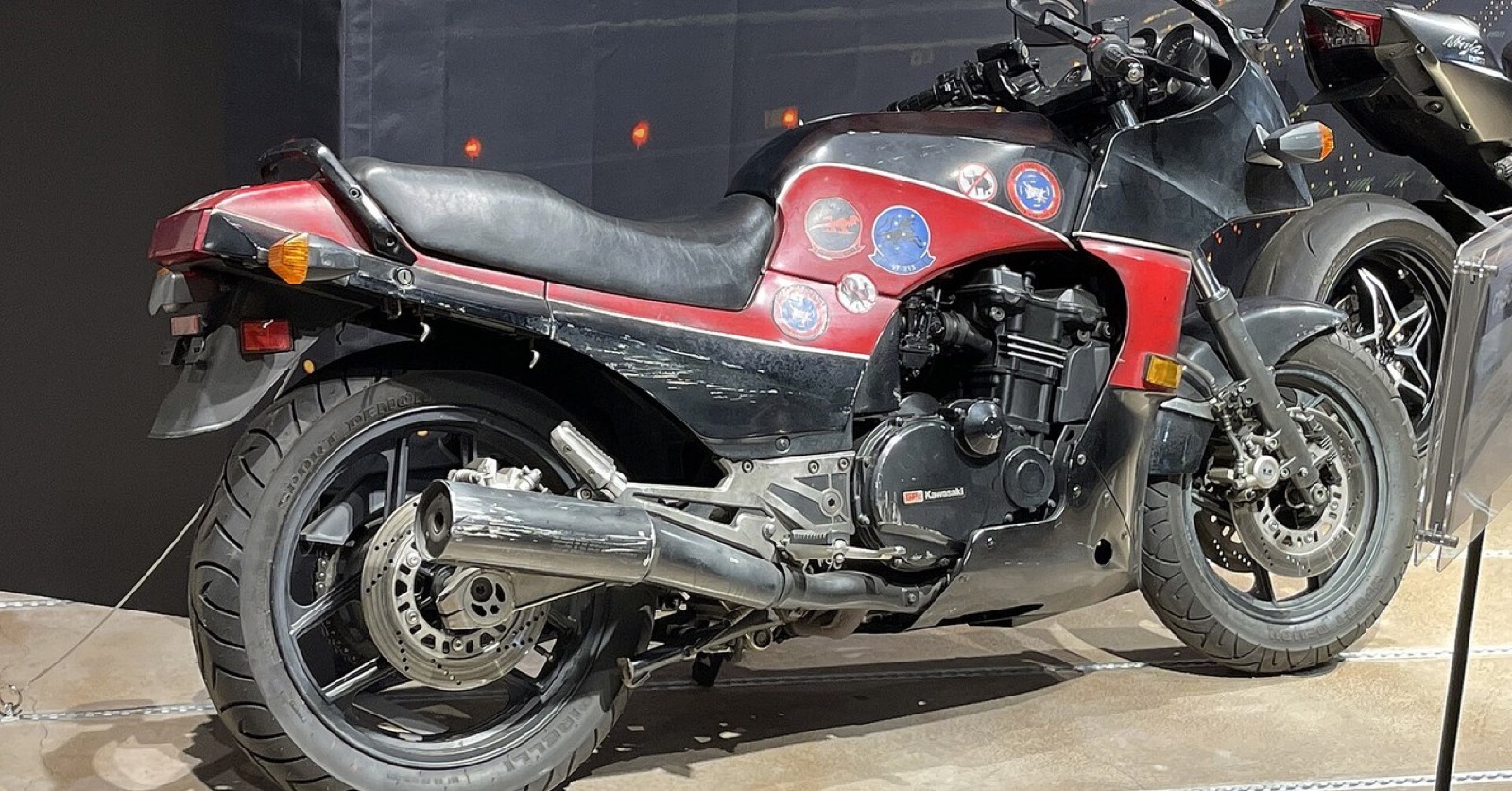
☕ GC Lab’s motorcycle history series traces the machines through the people and events behind them. This time, we follow the name Ninja from the GPZ900R to the world.
💡 What you’ll learn
- How the 1984 GPZ900R opened a new chapter in high-performance motorcycles
- Which model first carried the name “Ninja”
- The role of Top Gun and the Ninja models that followed
A red-and-black motorcycle streaks past the edge of an airfield. For anyone who remembers Top Gun, Kawasaki’s fully faired sport bikes may call to mind Maverick, played by Tom Cruise. Trace that bike’s lineage back, and you arrive at the 1984 GPZ900R.
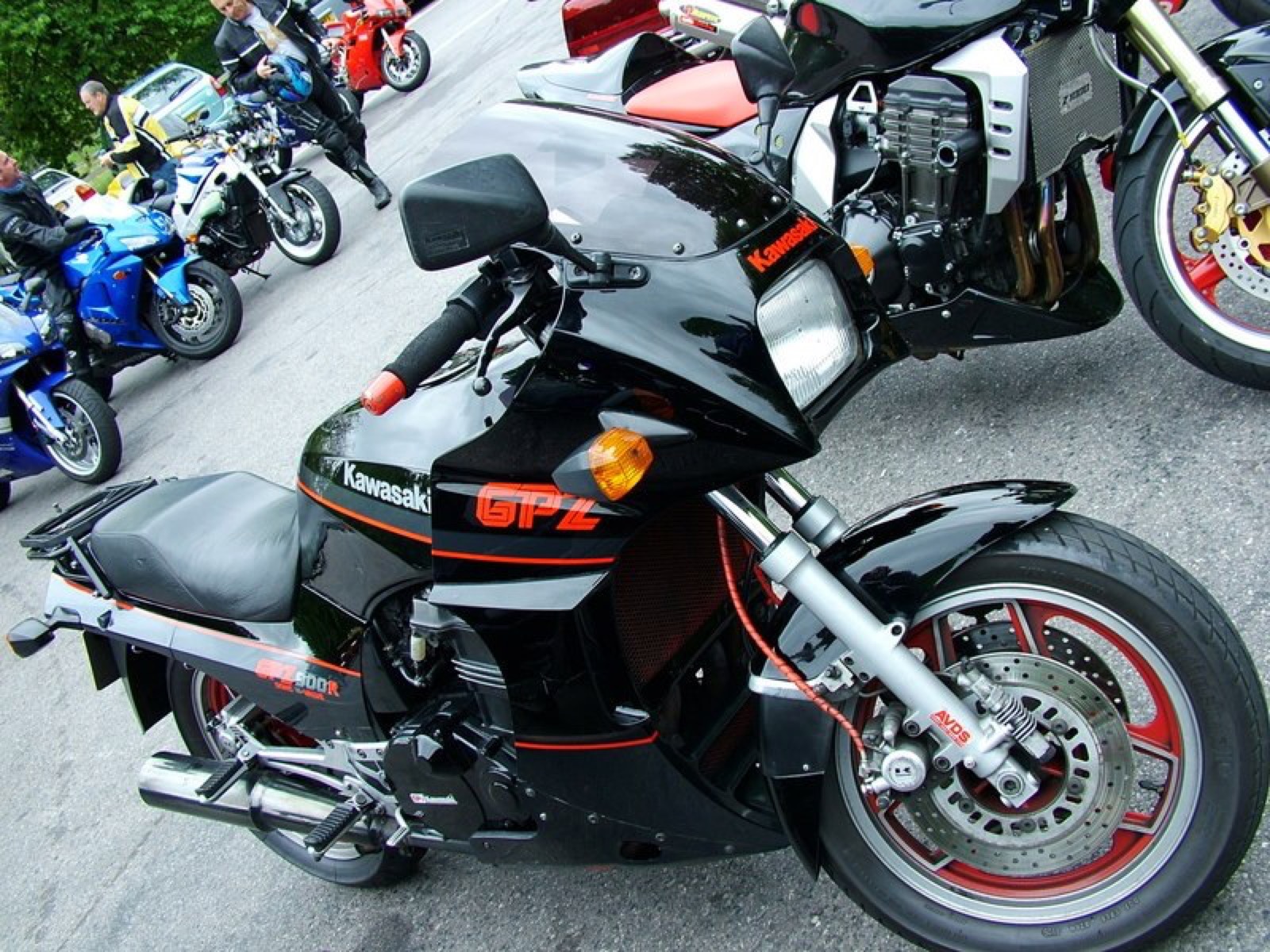
The GPZ900R was the first Kawasaki model to wear the name Ninja. In North America, it was known as the Ninja 900; in Europe and Japan, it was called the GPZ900R. The name varied by market, but its liquid-cooled four-cylinder engine tucked beneath a full fairing and its forward-looking chassis left a strong impression on riders around the world.
Prologue — The GPZ900R, and Ninja
In 1984, Kawasaki released the GPZ900R. The company’s timeline marks that year as the birth of the Ninja brand, and Kawasaki still describes the GPZ900R as the first model to bear the name. The name that would later carry through to the ZX series and the H2 began with a single sport bike.
“Ninja” evokes the image of a swift figure who moves without being noticed. Unlike a number that describes a specification, a model name tells you what kind of impression a bike is meant to leave. The sharp fairing, low stance, and smooth liquid-cooled engine all came together. When the name, appearance, and ride clicked, the model name became a banner for an entire series.
Chapter 1 — Looking Beyond Big-Bore Sport Bikes
In the 1970s, the large-bike market was caught up in a race for displacement and peak power. Big air-cooled engines made a bold statement, and Kawasaki had already put itself on the map with the Z1. But as speeds climbed, simply making the engine bigger could no longer meet the demands. Cooling for sustained high output, chassis stiffness, drag, and protection from the wind all became more important.
The GPZ900R brought together a different approach from the big air-cooled bikes that came before it. It used a liquid-cooled, four-stroke inline-four, with careful work to package the engine compactly in the frame. The cylinders were tilted forward, a layout that also helped with the bike’s center of gravity and the placement of the intake and exhaust systems. Keeping the engine compact and the whole bike neatly packaged mattered both for performance and appearance.
Liquid cooling meant more than simply adding a radiator. The engineers had to design coolant passages, a pump, radiator capacity, and heat management around the engine to make performance reliable. Better control of heat opened the door to higher output. At the same time, it added parts and complexity. Kawasaki designed the engine and chassis as one system to balance performance with everyday usability.
The frame reflected a new way of thinking, too. The engine helped carry structural loads, making the chassis more efficient. This design had to work within the technology and production constraints of the time. A high-performance bike needed more than impressive catalog figures; it needed a structure that could keep it stable on the road.
Chapter 2 — A Liquid-Cooled Inline-Four and Chassis Built for Speed
The GPZ900R displaced 908 cc. Its liquid-cooled, DOHC, four-valve inline-four was built to deliver the kind of performance riders expected from a sport bike of the time. The fairing managed the airflow, reduced the rider’s strain, and gave the bike a shape made for high-speed riding. It was more than decoration: the bodywork placed both engine and rider within the flow of air.
Top speed was only part of what made the bike feel fast. There was the response when you opened the throttle, the composure as speed rose, and less wind pressure over a long ride. Big bikes were increasingly expected to combine sport riding with road travel. As a production motorcycle with a license plate, not a track-only machine, the GPZ900R set a new benchmark for performance.
Making that performance usable took more than work on the engine. The tires, chain, brakes, and suspension had to handle its power so the rider could use it safely. The chassis had to respond to cornering, braking, and changes in the road, not just acceleration. Even excellent components cannot make a great motorcycle if they do not work well together.
The full fairing seems to wrap around the rider. Its sides and windscreen, along with the line from tank to seat, brought function and style together. The GPZ900R’s silhouette is remembered as one of the prototypes for the “fast-looking” sport bikes that followed. Its striking presence gave the Ninja name credibility.
Different Names in Different Markets
The GPZ900R was sold around the world, but its name was presented differently from one market to another. In North America, Kawasaki put the name Ninja 900 front and center, helping Ninja catch on among riders. In Japan and Europe, the model designation GPZ900R was more widely used. The underlying bike belonged to the same lineage, but local conventions and marketing shaped how it was named.
In time, “Ninja” grew beyond the name of a single model and became the brand for Kawasaki’s sport bikes. As the name spread, bikes with different displacements and purposes came to share the same world of associations. A brand name can carry the memory of earlier models into new ones. The GPZ900R was where that continuity began.
Chapter 3 — The Ninja on Screen in Top Gun
In the 1986 film Top Gun, Maverick, played by Tom Cruise, rides a GPZ900R. The movie paired the high-speed life of a fighter pilot with the image of a powerful sport bike on the ground. Many viewers first encountered the GPZ900R through the film, and the motorcycle became one of its defining images.
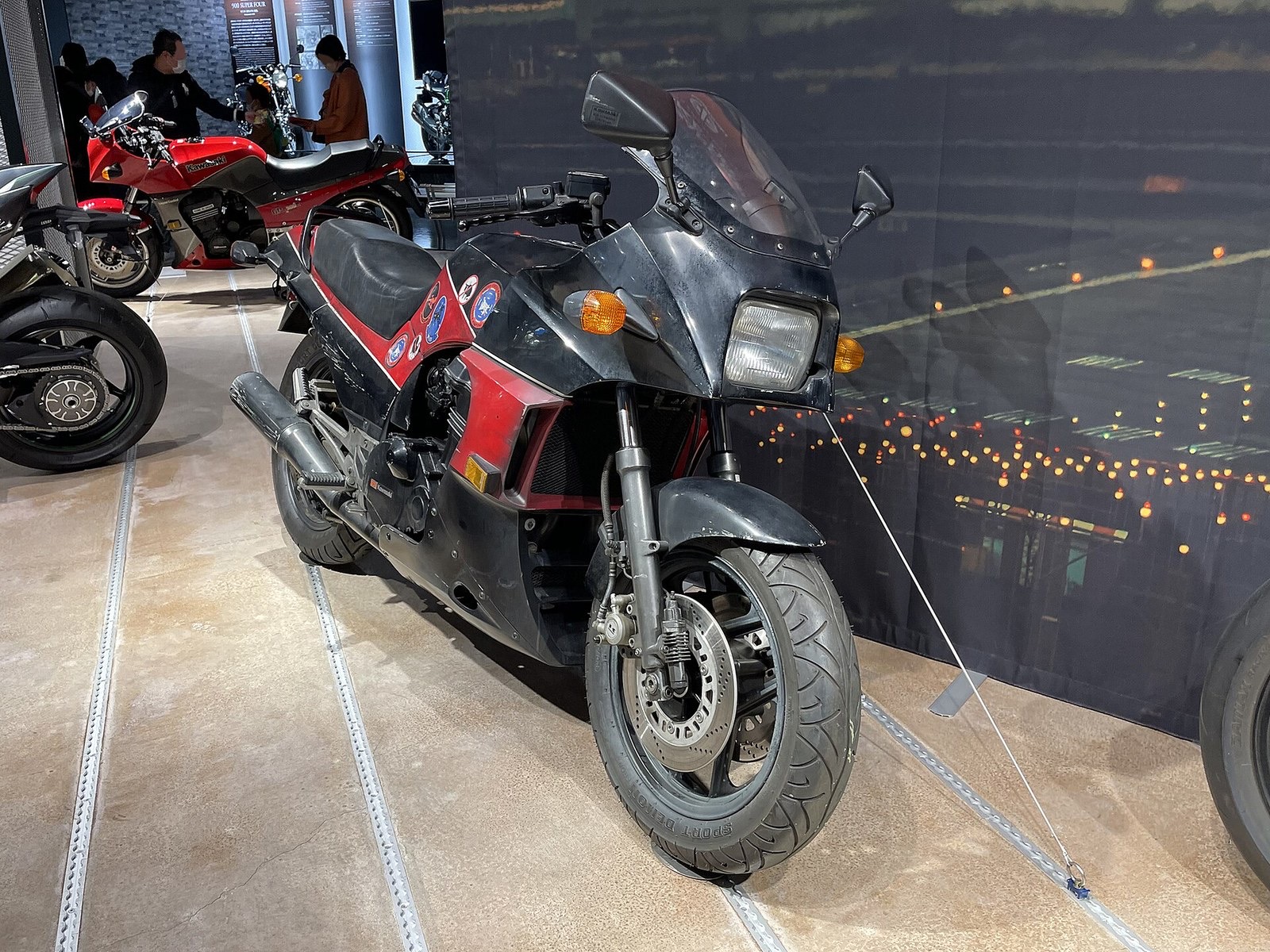
When discussing the film’s influence, it is important not to confuse the model’s release year with the filming or release date. The GPZ900R appeared in 1984; Top Gun came out in 1986. Nor should every color and accessory seen on screen be treated as identical to the original standard model. The movie bike was presented for filming, and over the years that image became firmly linked to the model in people’s memories.
Even so, the film clearly helped spread the Ninja’s name. On screen, viewers remember the rider’s character and the bike’s shape more readily than a model code or the name used in a particular market. The runway scene set a motorcycle against a backdrop of speed and aircraft, making the GPZ900R’s presence all the stronger.
There is no need to reduce the story to “it sold because it was in a movie.” The GPZ900R had already drawn attention as a high-performance model before the film came out. The movie carried that image to a much wider audience. Popularity built on engineering and recognition built through popular culture reinforced each other.
Chapter 4 — From the GPZ900R to the Ninja Series
After the GPZ900R, Kawasaki extended the Ninja name to a wide range of models. Their displacements and personalities varied, but the name became associated with bikes built around sport performance. Today’s Ninja lineup includes everything from the track-focused ZX series to models suited to everyday riding and touring.
Expanding a series means more than putting a familiar name on different bikes. Each model has its own purpose, while the shared brand image still has to hold together. Kawasaki needs models that signal high performance while remaining within reach of first-time sport-bike riders. It develops track-oriented machines while also offering bikes for city streets and longer trips. The wider the Ninja name spreads, the more it has to stand for.
Today’s Ninja H2 series uses technology far removed from the GPZ900R era, including supercharged engines. The ZX series pursues high performance linked to racing, refining lightweight chassis and electronic controls. The first model and today’s bikes cannot be compared as if they shared the same specifications, but the ambition to turn challenging performance into road-going and competition machines connects them.
To understand the series’ long history, you also have to look at how its individual models differ. The GPZ900R, ZX-10R, Ninja 400, and H2 may all carry the Ninja name, but they come from different eras and have different engines, displacements, and purposes. One brand does not mean every bike has the same character. The name points to a connection; each machine reflects the technology and market of its time.
Chapter 5 — A Name That Carries the Memory of a Machine
“Ninja” is short, easy to remember, and has a sense of momentum in its sound. It is also a word with roots in Japanese culture that Kawasaki turned into a product name for overseas markets and grew into a global sport-bike brand. The name alone did not create that success; the GPZ900R’s performance and appearance gave it substance.
Riders choosing a later model may have the Ninja’s history in mind. Those who know the original GPZ900R may see the full fairing or red-and-black colors through the lens of that earlier bike. For a first-time rider, Ninja may simply be the name on a current model. The same word offers different generations different points of entry.
That kind of brand memory also brings responsibility. A manufacturer cannot rely on past reputation alone and expect the next product to win support. It has to meet the safety and environmental demands of its time and build bikes that suit the way riders want to use them. Protecting the Ninja name means meeting its promise with each new model, not simply recreating the past.
Chapter 6 — The GPZ900R as a Classic Bike
The GPZ900R remained in production for many years, and its equipment and specifications changed across model years. Rather than treating early and late versions as one, check the production year, model designation, and destination market to understand how the bike evolved. When looking at a used or display bike, do not identify its year from the paint alone; the frame number and component details can offer clues, too.
Classic bikes also come with maintenance and parts-supply realities that differ from those of modern machines. A bike that has been stored for years may look clean but still need attention to rubber parts, the fuel system, or electrical components. Before buying, have a mechanic with the right expertise inspect its condition, and factor in the time and cost of keeping it running. The bike’s historical appeal and the practical requirements of riding it are two separate considerations.
Still, people are drawn to the GPZ900R because it embodies a moment in time. The lines of its fairing, the shape of its tank, and the presence of its engine all carry the ambition of building a new kind of sport bike in the 1980s. Knowing the movie memories and the brand’s history brings out something more than “an old motorcycle” when you look at it.
Epilogue — The Name Ninja Lives On
The 1984 GPZ900R presented a new vision of the big sport bike, with a liquid-cooled inline-four and full fairing. The name Ninja, first used in North America, spread around the world and became the brand for Kawasaki sport bikes. Top Gun carried the bike’s image into the memories of an even wider audience.
No single bike or movie can explain the whole story. The engineers who built the engine and chassis, the people who sold and serviced the bikes, the riders who passed through the years on them, and the culture that put the name on screen all came together to create the Ninja lineage.
The original GPZ900R and a modern Ninja are very different machines. Still, the name carries an expectation: to give speed and ambition a physical form. The first bike to take the Ninja name is still posing a question to the models that followed. What technology and shape will the next generation of Ninja use to renew that name?
Photo credits
- Header image, “Kawasaki GPz900R Ninja A2 used in Top Gun: Maverick.jpg” (cropped) — Photo: Tokumeigakarinoaoshima / Wikimedia Commons / CC BY-SA 4.0
- “Kawasaki GPZ900R Ninja 01.jpg” — Photo: Reg Mckenna / Wikimedia Commons / CC BY 2.0
- “Kawasaki GPz900R Ninja A2 used in Top Gun: Maverick (1).jpg” — Photo: Tokumeigakarinoaoshima / Wikimedia Commons / CC BY-SA 4.0