[Yamaha Motorcycle History] The Alluring SR400 — A Single That Kept Its Shape for 43 Years
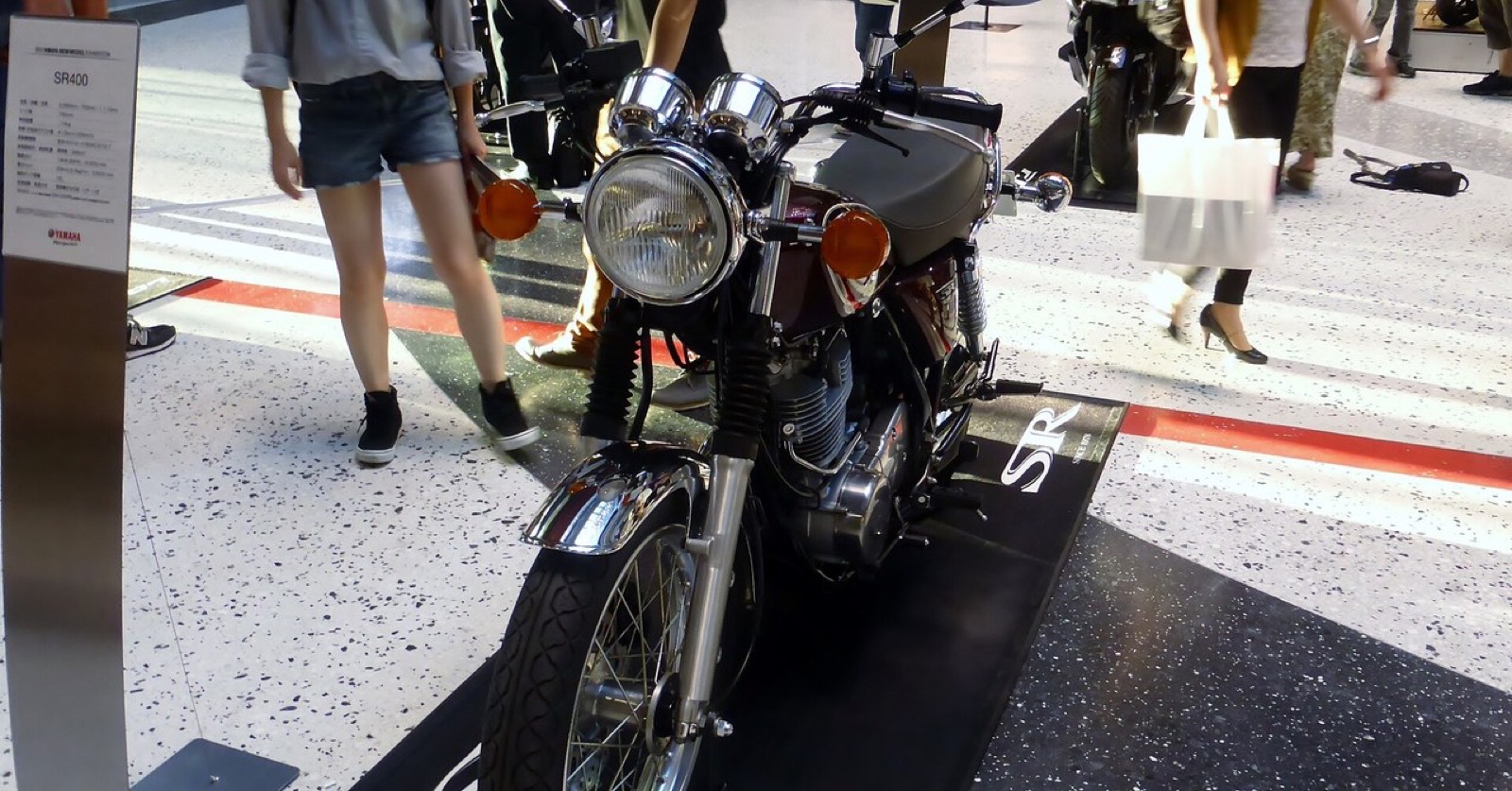
☕ At GC Lab, our motorcycle history series follows machines through the people and events behind them. This time, we trace the Yamaha SR400: a bike that wakes with a kick and earned decades of affection.
💡 What you'll learn
- The story behind the SR400's arrival in 1978
- How kick-starting and an air-cooled single shape the ride
- Why it endured through changing regulations and times until 2021
In a parking lot one morning, a rider presses down on the kick pedal. Even in an age when motorcycles start at the push of a button, the SR400 kept its foot-operated start. Find top dead center, use the decompression lever, and kick. At the end of that sequence, the air-cooled single-cylinder engine comes alive with a pulse of its own.
Launched in 1978, the SR400 kept its basic silhouette for decades while receiving updates to meet challenges such as emissions regulations. In 2021, it reached its Final Edition. Those 43 years were not a record of changing nothing. They were a record of recognizing what was worth preserving and continuing to update what needed to change.
Prologue — Time in a Single Kick
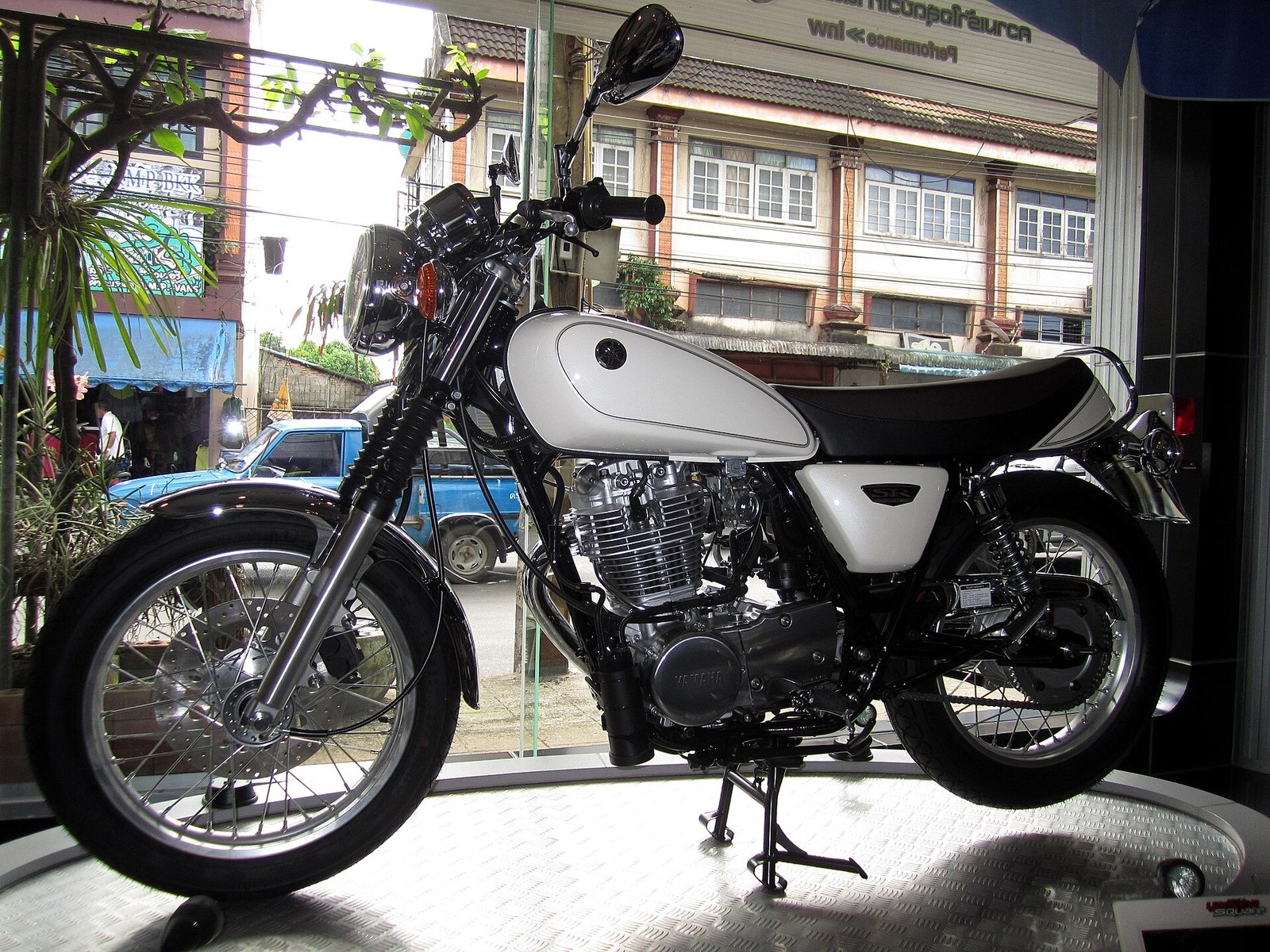
The SR400's styling points in a different direction from designs chasing the latest trend. A slim tank, round headlight, level seat, and cooling fins on an air-cooled engine: its simple elements form the familiar shape of a road bike. But this is more than nostalgia. Its long-lasting appeal comes from a design that strips away excess and lets the engine and chassis speak for themselves.
Chapter 1 — A Road Sport Born from the XT500
The SR400 arrived in March 1978. It was a road-sport motorcycle powered by an air-cooled, four-stroke single-cylinder engine. Yamaha also offered the SR500 at the time, with a larger displacement. Trace the family tree back, and you reach the engine design of Yamaha's large-displacement XT500 off-road bike. The idea was to pair the torque and pulse of a long-stroke single with a chassis made for paved roads.
A single-cylinder engine has one cylinder and one piston. It keeps the parts count down and makes the engine's workings easier to follow, but the large piston moving back and forth also creates vibration. The challenge was not to erase that movement entirely, but to tune it into a character the rider could live with through the design of the chassis, mounts, and crank. Part of the SR's appeal lies in leaving the machinery exposed and letting the rider feel changes in engine speed.
At the time, the market was seeing a steady stream of high-performance multi-cylinder bikes. As more cylinders and more power became the norm, the SR offered another kind of value: a simple single. Instead of chasing a top speed beyond what most riders could use, it put a premium on low- and mid-range torque, a nimble chassis, and the pleasure of working on the bike. It was a choice that stepped away from the numbers race.
The name SR placed the bike within Yamaha's road-sport lineage. Its clean, composed look suited many settings. It felt at home on a commute or around town, as well as on a weekend tour. It had the presence of a large-displacement motorcycle, yet its engine and chassis looked approachable. That balance helped it appeal to a wide range of riders, from people considering their first big bike to seasoned veterans.
Chapter 2 — The Ritual of the Kick-Starter
You can't talk about the SR400 without talking about its kick-starter. With no electric starter, the rider starts the engine by pressing down on the kick arm. At first, it takes practice to find the compression point and learn how to put your weight into the stroke. The starting process itself becomes a small ritual before the ride.
Kick-starting is more than a touch of nostalgia. It gives you a physical understanding of the single-cylinder engine and its compression. You feel the resistance near top dead center, work the decompression lever to set things up, and listen as the engine settles after starting. Unlike a bike that fires up at the push of a button, the SR puts a few steps between the rider and the machine.
Some people will find that inconvenient. On a cold morning or in an unfamiliar place, starting the bike can take a while. The SR's character comes from leaving room for the rider to engage with the machine instead of putting convenience above everything else. The kick-starter was not a way for owners to show off their skill. People came to see it as an entry point for communicating with the bike.
The bike's design and consistent identity helped keep this ritual alive. Even as the engine and emissions controls were updated, the SR's distinctive starting method and appearance remained defining features. Yamaha could have added an electric starter to keep up with the times. Instead, it preserved the kick-start as part of what made the SR400 an SR400.
Enjoying the Pulse
The "pulse" of a single-cylinder engine is more than a marketing catchphrase. Combustion events are farther apart than in a multi-cylinder bike, and the engine's response to the throttle is easy to read. It pulls steadily at low revs, and its character changes as you wind it up. There is room to enjoy the changing revs and sound, rather than judging the ride by speed alone.
SR riders don't necessarily choose the bike to go fast. They cruise while taking in the scenery, stop at a light, then kick-start the engine again. The bike's light feel and simple controls make the time spent moving part of the pleasure. As modern bikes gain more equipment, they can take over more tasks for the rider. The SR kept the feeling of handling things yourself.
Chapter 3 — Improvements Beneath an Unchanged Shape
People often say the SR kept its shape for 43 years, but that does not mean literally nothing changed. The bike's internals were updated to meet the demands of each era, including emissions regulations, improvements to ignition and fuel delivery, and detail-level specification changes. Engineers kept adjusting the less visible parts so the bike could retain its familiar look, kick-start, and air-cooled single-cylinder character.
Meeting regulations is different from preserving an old machine exactly as it was. Parts and controls have to be reconsidered to stabilize combustion, reduce emissions, and maintain performance. Whenever legal requirements change, manufacturers have to balance a bike's identity with compliance. The SR's long production run is evidence not only of a design that endured, but of ongoing work to meet technical challenges.
A stable basic chassis design also benefited dealers and mechanics. A familiar layout was easier for both the people servicing the bike and the people riding it to understand, allowing parts and knowledge to build up over time. The custom scene grew in part because the bike was relatively simple and the model stayed in production for so long. Owners could preserve its stock look or make it their own.
That freedom to customize does not mean every modification is safe. Brakes, lights, and exhaust systems affect regulations and the bike's overall balance. SR culture brings together the fun of making changes and the responsibility of keeping a motorcycle safe. Because the machine is easy to understand, maintenance knowledge and choosing the right parts matter all the more.
Chapter 4 — The Appeal of Room to Make It Your Own
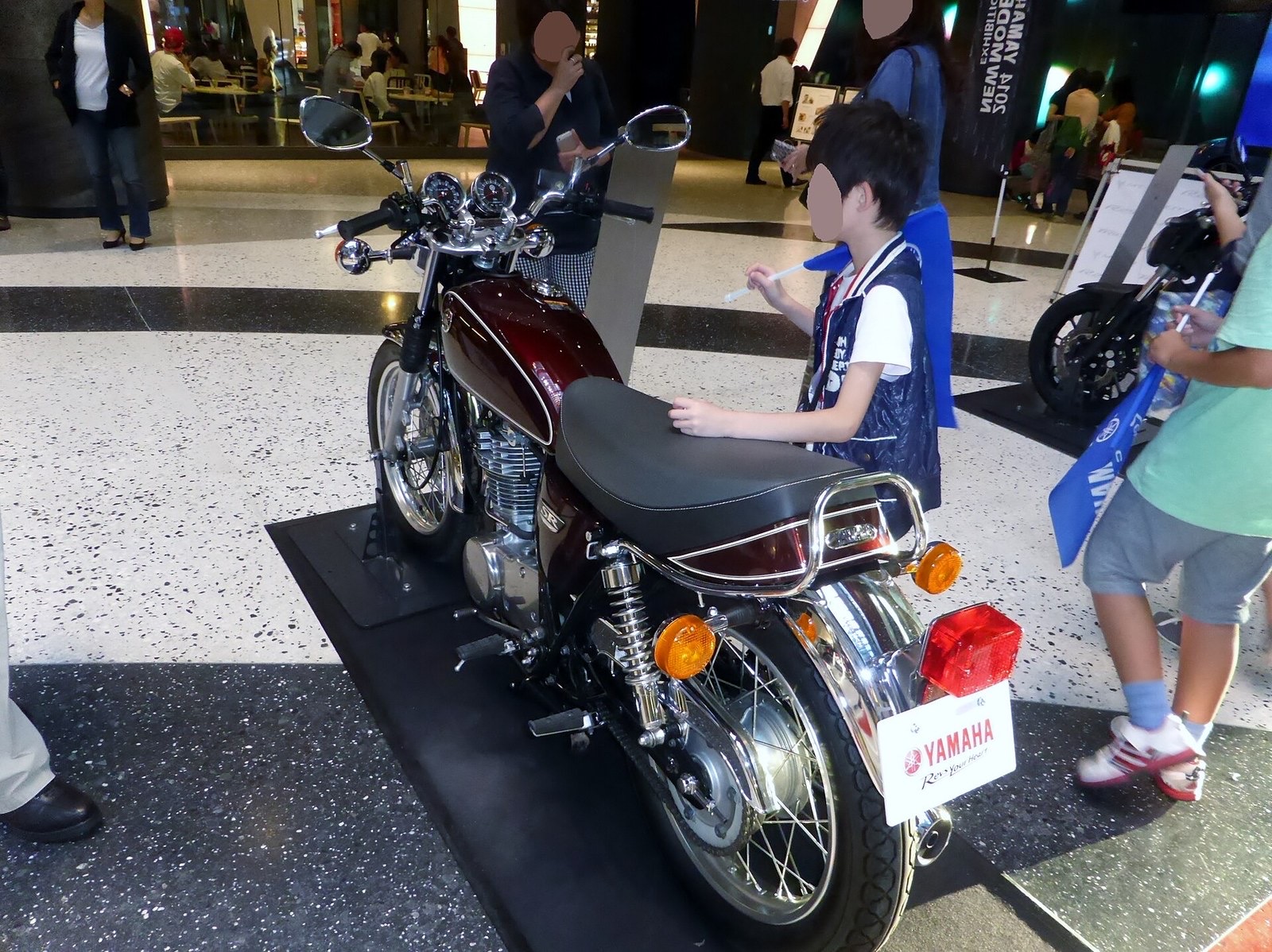
It's hard to pin the reason for a long-running model on just one thing. The SR400 offered classic looks, the pulse of a single, kick-starting, a manageable chassis, and an approachable platform for customization. No single feature had to appeal to everyone. The bike left room for each rider to find their own way to enjoy it.
Its simple styling doesn't demand a certain age or wardrobe. Some owners cherish a pristine stock bike; others give it the feel of a café racer or tracker. A model that stayed around for so long also gave riders the pleasure of spotting the differences between older and newer versions. They shared the same name, but every owner had their own SR.
The bike's popularity was not built by Yamaha alone. Dealers, mechanics, parts makers, magazines, and conversations among riders all helped keep the model going. A motorcycle is not finished the moment you buy it. It's something you maintain, ride, and repair when needed. A simple bike made that relationship easier to see and build over time.
Trends have come and gone many times: fully faired sport bikes, naked bikes, scooters, adventure bikes, and more. The SR chose to refine its core appeal instead of changing its look to follow every trend. It represented a different approach to product design: cultivating one value over the long term instead of constantly bringing out something new.
Chapter 5 — The Final Edition
In 2021, Yamaha released the SR400 Final Edition, marking 43 years since the model's launch in March 1978. There were two final versions: the regular Final Edition and the limited Final Edition Limited. Details such as a predominantly black color scheme, tank paint, and a numbered emblem made them a fitting tribute to the bike's long-standing following.
The word "Final" carries a sense of sadness, but a long-running product does not always end simply because demand has disappeared. The demands of developing for new environmental regulations and equipment requirements, parts supply, and manufacturing capacity can all play a role. The longer a model's history, the harder it can become to preserve its old look while meeting modern standards.
The final model's value went beyond its special finish. How do you express what makes an SR an SR in its last production model? Details in the paint, emblem, and seat carried on the regular model's design while marking a special milestone. For buyers, it was also a chance to bring home a piece of a long history.
The SR's story did not stop when the Final Edition arrived or production ended. Through the used-bike market, maintenance, parts supply, and conversations among owners, each motorcycle on the road continues to build its own history. For a discontinued model to live on as a culture, it needs riders who keep riding and technicians who keep supporting it. A model's history and the lifespan of each individual bike move on separate timelines.
Chapter 6 — The Question the Single Leaves Us Today
Even in an age of electrification and electronic controls, some people still want the kind of mechanical involvement the SR400 offers. That does not mean rejecting new technology. A bike that's convenient for getting around and one that invites you to enjoy its controls and sound have different kinds of appeal. The SR spent decades showing the value of the latter.
Start the engine, let out the clutch, and feel the revs change as you ride. When you handle some of the work yourself, you take in more than speed. The feel of the road, the engine's sound, and the movement of the bike become part of the time spent traveling. As convenience advances, wanting to handle those sensations for yourself remains a choice riders can make.
The SR400 is not a model that argues old-fashioned bikes are the best. What people want from a motorcycle differs in every era. Some prioritize high-speed performance and safety equipment; others want a straightforward relationship with a machine. Part of the SR's appeal was the room it left for those differences.
Epilogue — Changing to Stay the Same
The SR400's journey from 1978 to 2021 is both a record of keeping the same basic look and a record of adapting to a changing society. Yamaha preserved its central traits—the air-cooled single and kick-start—while making improvements to meet the regulations and technology of each era. To preserve the lines people saw on the outside, the company had to keep revisiting what was inside.
Kicking the pedal is about more than starting the engine. To some riders, it feels like a signal that the machine and rider are setting off together. Perhaps the SR stayed popular for 43 years because it preserved that relationship, something performance figures alone can't replace.
The Final Edition marked the end of production. But the SR's appeal is not confined to model years or limited-edition colors. As bikes keep running on the road, get serviced, and pass to their next riders, the model's history continues in each individual machine. This single that held its shape for so long left room, right to the end, for its owners' own stories.
Photo credits
- Header image, “YAMAHA SR400.JPG,” Tokumeigakarinoaoshima (cropped) / Wikimedia Commons / CC0
- “Yamaha SR400 2014.JPG,” Khaosaming / Wikimedia Commons / CC BY-SA 4.0
- “YAMAHA SR400 (1).JPG,” Tokumeigakarinoaoshima / Wikimedia Commons / CC0