From a Latvian Repair Shop to Streamers’ Desks Around the World — Blue Microphones
Prologue — 2020: On Desks Around the World
In 2020, people around the world suddenly found themselves staying home.
Work meetings moved online.<br>Classes moved online, too.<br>And there were gaming streams, podcasts, cover songs, and virtual happy hours.<br>People began sending their voices through computer screens.
Amid all this, the same kind of microphone appeared on desks around the world.
A silver body, shaped like a slightly rounded cylinder.<br>A sturdy base.<br>Plug it into a computer with a single USB cable, and it is ready to use.
Its name was Yeti—a microphone named after the legendary snowman of the Himalayas.
But the company that made it did not begin in Silicon Valley or in a big corporate lab. It began in Latvia, a small country on the Baltic Sea, with one technician who repaired old microphones.
Let’s turn the clock back about 40 years.<br>Our story begins in the 1980s, when an American jazz musician was at a loss, holding a broken vintage microphone.
📝 About this story<br>
This story draws on books, interviews, and manufacturer materials I’ve read over many years. I’ve based it on the facts as closely as possible, though I wasn’t there at the time, so some nicknames and commonly repeated stories may have found their way in. Accounts with conflicting versions are set apart in “Legend & Lore,” and sources are listed at the end.<br>
For more on legendary vintage microphone makers, see my stories on Neumann and AKG.
Chapter 1 — A Jazz Musician and a Microphone Repairman
Skipper Wise
Skipper Wise was an American musician.
He released around 17 albums, mostly in contemporary jazz. He put out records on jazz labels and audiophile labels for listeners who care deeply about sound, and he also worked in the European pop scene.
For musicians who care about sound, a microphone is an essential tool. Vintage microphones made in Europe in the 1950s and ’60s are said to have a richness that can no longer be recreated, and they have long been coveted by musicians and engineers.
Mics You Couldn’t Repair
Vintage microphones came with a big problem:
When they broke, you couldn’t fix them.
After decades, their parts began to wear out: tubes, capacitors, and the capsule—the thin membrane at the heart of the microphone that captures sound. Manufacturers had stopped making those parts long ago, so replacements were hard to find.
A Technician in Latvia
That was when Skipper met Mārtiņš Saulēspalns, a recording engineer from Latvia.
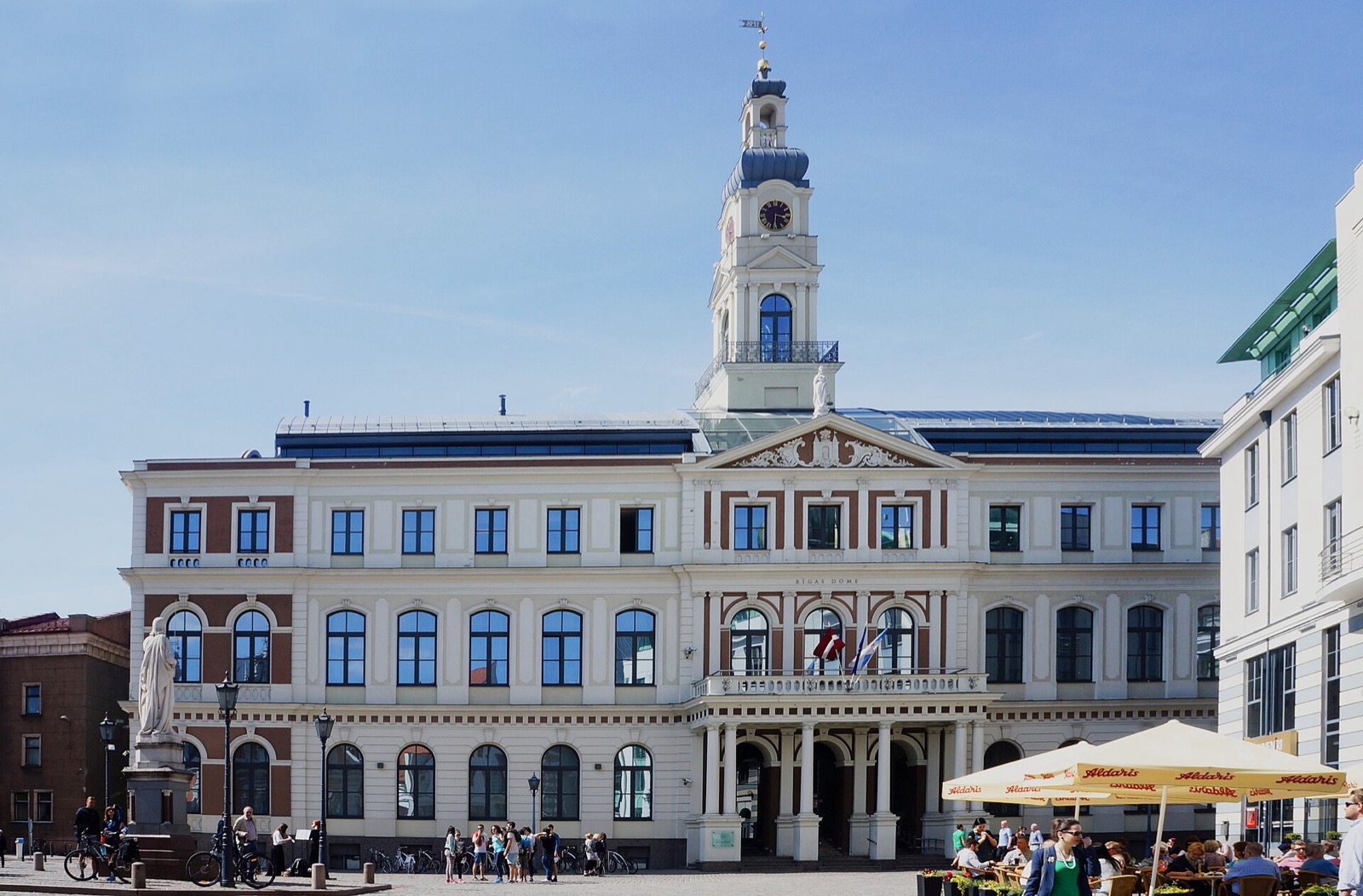
Latvia is a small country in Northern Europe, on the Baltic Sea. In the 1980s, it was still part of the Soviet Union.
Mārtiņš specialized in repairing and restoring old microphones. If a part was unavailable, he made it himself. By all accounts, he did an excellent job repairing the European vintage microphones Skipper needed.
The two kept in touch from the 1980s onward.
An Independent Latvia
In 1991, Latvia restored its independence from the Soviet Union. As the country went through a major transformation, the two began to nurture an idea.
“If Mārtiņš has the skill to do this, maybe we can do more than repair vintage microphones. Maybe we can make new ones.”
Now let’s follow the story of how a global microphone brand grew out of a small workshop in Latvia.