The Great House of Lenses — Carl Zeiss
☕ A coffee-length story — about a 17-minute read. How a small microscope workshop started a revolution by designing lenses through calculation, was torn in two by war, and became one again: the story of a "great house of lenses" more than 170 years old.
Prologue — The Name Inside the Blue Square
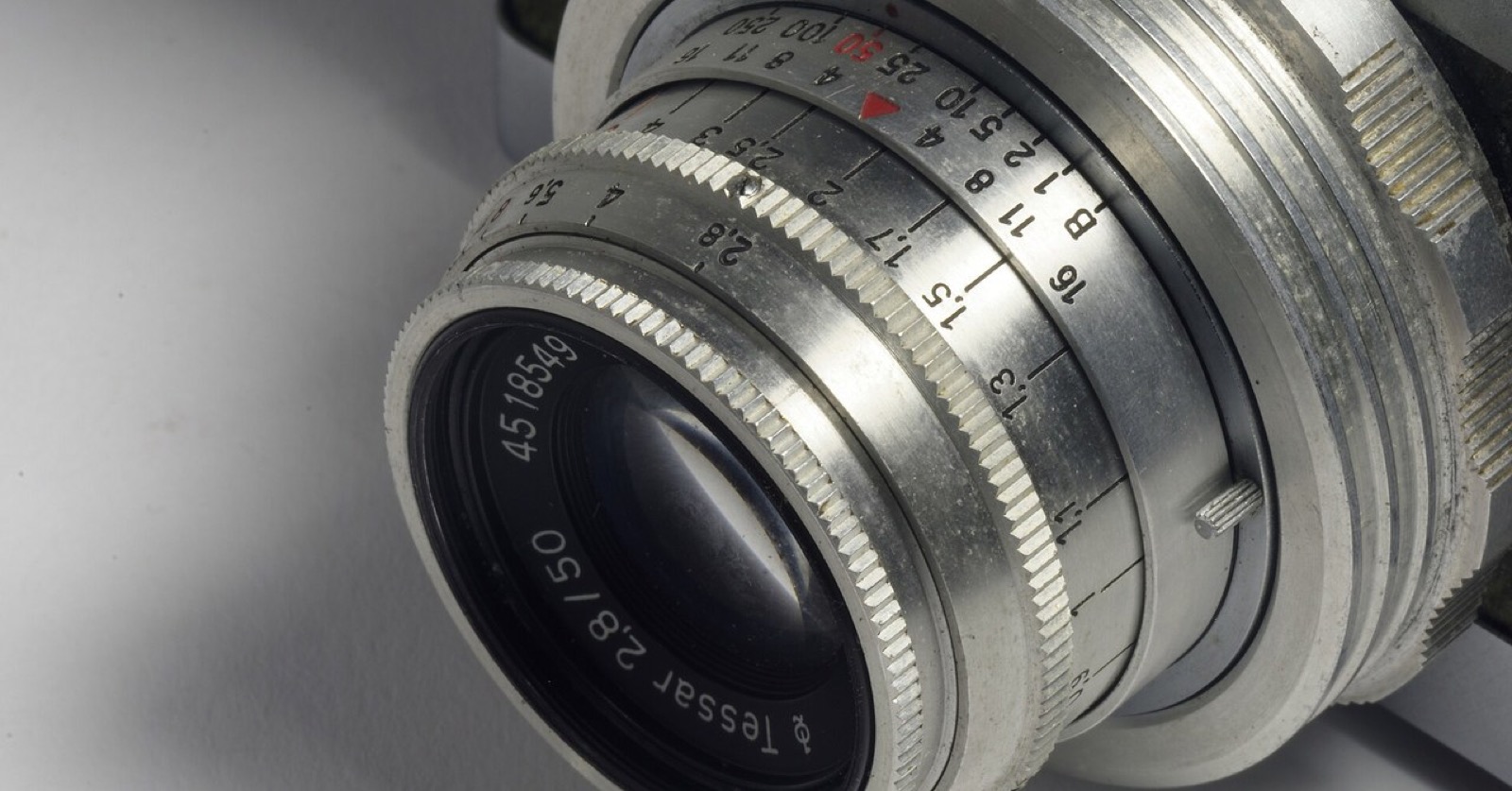
On a camera-shop shelf, on a video camera, on the back of a smartphone — have you ever seen a blue square with ZEISS written inside it in white letters?
For many people, that mark alone is enough to think, "This lens must be good." In the world of lenses, the name Zeiss carries that kind of special ring.
Yet it began very small.
In the autumn of 1846, in the German university town of Jena, a thirty-year-old craftsman opened the door of a small workshop, funded by 100 thalers borrowed from his brother.
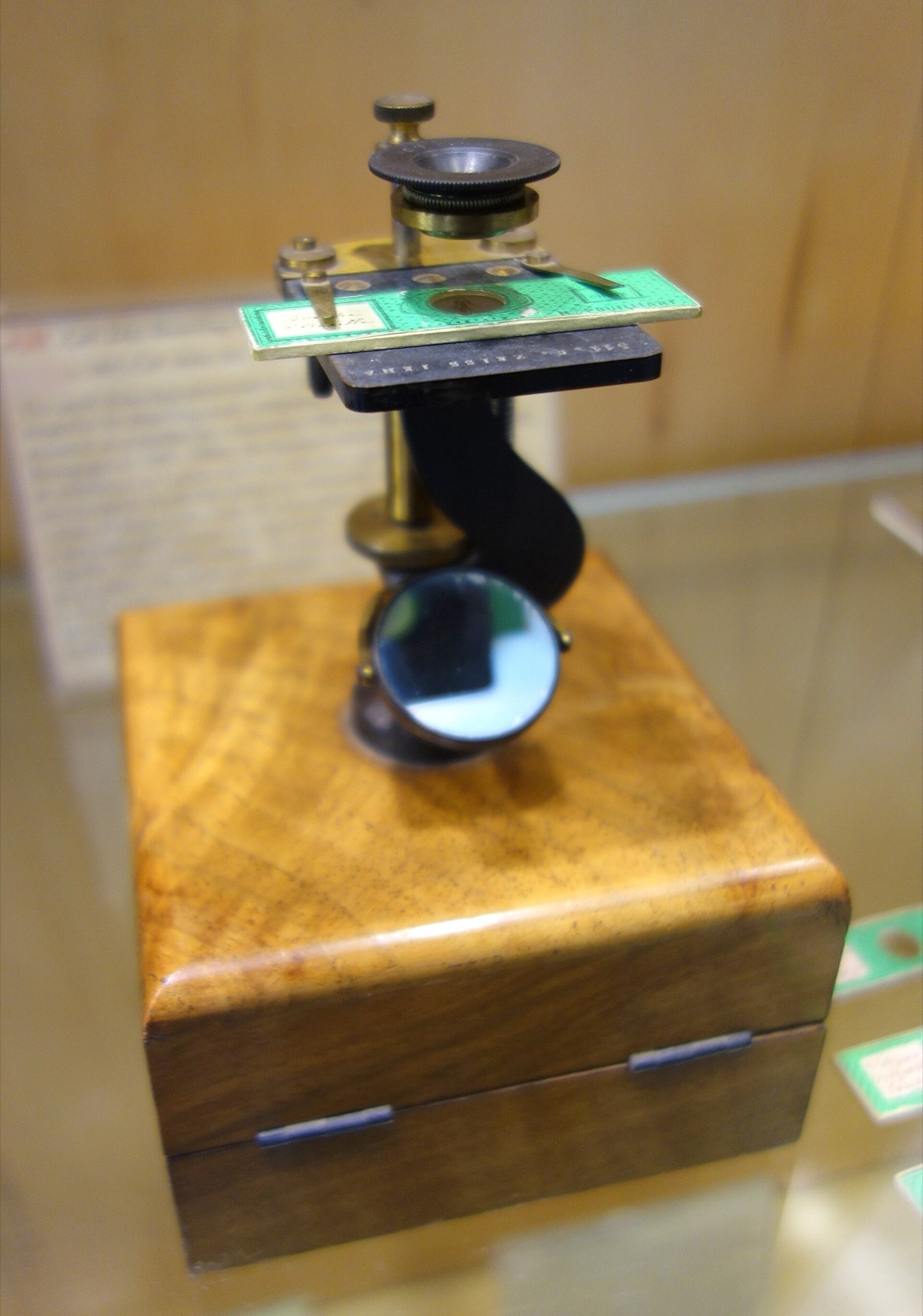
His name was Carl Zeiss. What he set out to make was not a camera, but a microscope.
This is the story of how a craftsman, a physicist, and a glassmaker built a "great house of lenses" — and how it was torn in two by war and came back together again.
Chapter 1 — The Son of a Weimar Craftsman
A father who carved ivory
Carl Zeiss was born on 11 September 1816 in Weimar, in central Germany.
His father was a turner who used a lathe to carve beautiful ornaments from ivory, amber, and mother-of-pearl, and was respected locally as a skilled craftsman.
Shaping small parts carefully and precisely — Carl grew up watching that work.
An apprenticeship, and seven years of travel
In 1834, at eighteen, Carl moved to the nearby university town of Jena to train as an apprentice under Friedrich Körner, the court mechanic.
During his apprenticeship he also attended university lectures in mathematics and natural science. Not just working with his hands, but wanting to know why things worked — that urge would later change his life.
After finishing his apprenticeship in 1838, Carl set out on the road. Stuttgart, Darmstadt, Vienna, Berlin: German craftsmen had a tradition of moving from workshop to workshop to hone their skills. For seven years he worked in one city after another.
A workshop built on 100 thalers
On 10 May 1846 Carl applied for permission to open a workshop in Jena. He sat a written examination, paid a fee, and in November received a licence to make and sell mechanical and optical instruments.
On 17 November 1846 the workshop opened. Its capital was the 100 thalers borrowed from his brother Eduard.
From 1847 he began making simple microscopes that magnified with a single lens. They sold well, and little by little the workshop's name became known.
By 1861 it employed about twenty people and won a gold medal at a regional industrial exhibition. And in 1866 the workshop shipped its 1,000th microscope.