The Man Who Fought Tape Hiss and Created a Classic Compressor — dbx
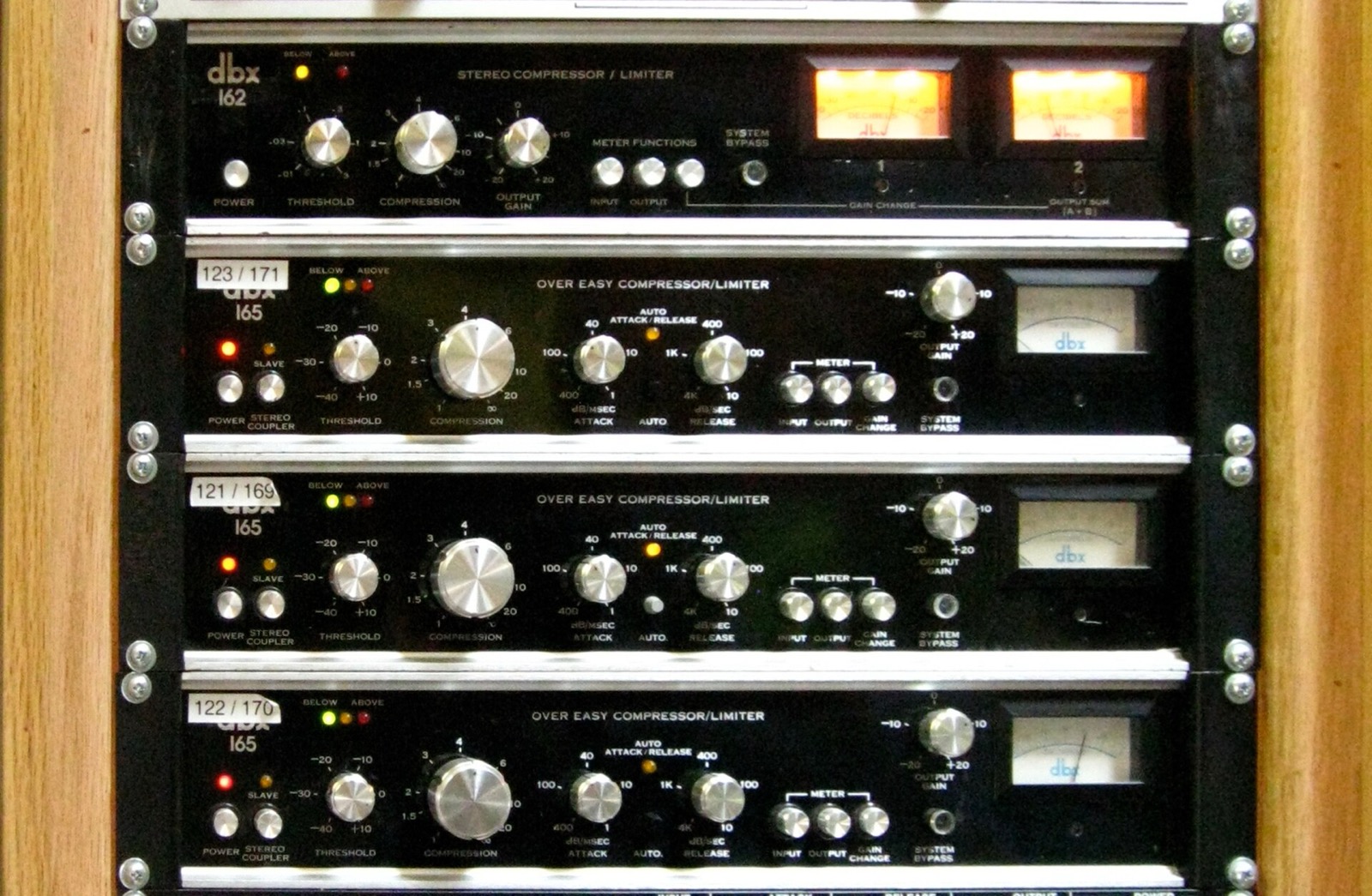
☕ A coffee-length story — about a 14-minute read. From the fight against noise came a classic: the story of someone who turned a problem into an invention.
Prologue — The Sound of Hiss
If you’ve ever listened to an old cassette tape, you may remember it.
In the quiet between songs, a faint shhhh seems to come from deep inside the speakers.
That familiar noise is tape hiss, an inherent side effect of magnetic tape.

In the 1970s, one engineer took on that noise directly. His goal was clear:
“Make recorded music feel more like a live performance.”
Ironically, that fight would produce a compressor later loved in studios around the world. A man trying to restore the width of sound created a classic machine that narrows it.
The engineer was David Blackmer. The company he founded was dbx.
📝 About this story
This account draws on books, interviews, and manufacturer materials I’ve read over the years. I’ve tried to stick to the facts, but I wasn’t there at the time, so some nicknames and conventional wisdom may have crept in. Accounts that vary are separated into “Legend & Lore” sections, and sources are listed at the end.
Chapter 1 — The Width Tape Took Away
Live Performance and Recording
Picture an orchestra in a concert hall.
A violin solo, soft as a whisper. Then a fortissimo from the full orchestra, shaking the room.
The difference between the quietest and loudest sounds is called dynamic range. Much of the power and immediacy of live music comes from its wide dynamic range.
The Limits of Tape
But magnetic tape, the dominant recording medium of the 1970s, had a serious weakness.
Quiet sounds disappeared beneath the tape’s hiss.
Loud sounds overloaded the tape and distorted.
Above the noise floor, below distortion: the range of sound tape could capture was far narrower than that of a live performance.
Engineers therefore raised quiet sounds a little and lowered loud ones so everything would fit on tape. In the process, some of the performance’s natural dynamics were lost.
“Could We Get That Width Back?”
David Blackmer was deeply interested in this problem.
What if you narrowed the dynamic range before recording, then expanded it by exactly the same amount during playback? The tape hiss would be pushed down, and the breadth of the original performance could be restored.
The idea was simple. Doing it accurately was difficult. Even a slight mismatch between the compression and expansion stages could make the sound unnatural.
Now let’s follow how Blackmer solved this problem with two inventions—and went on to create an unexpected classic.