The Spaceship Studio Left Without Its Master — Electric Lady Studios
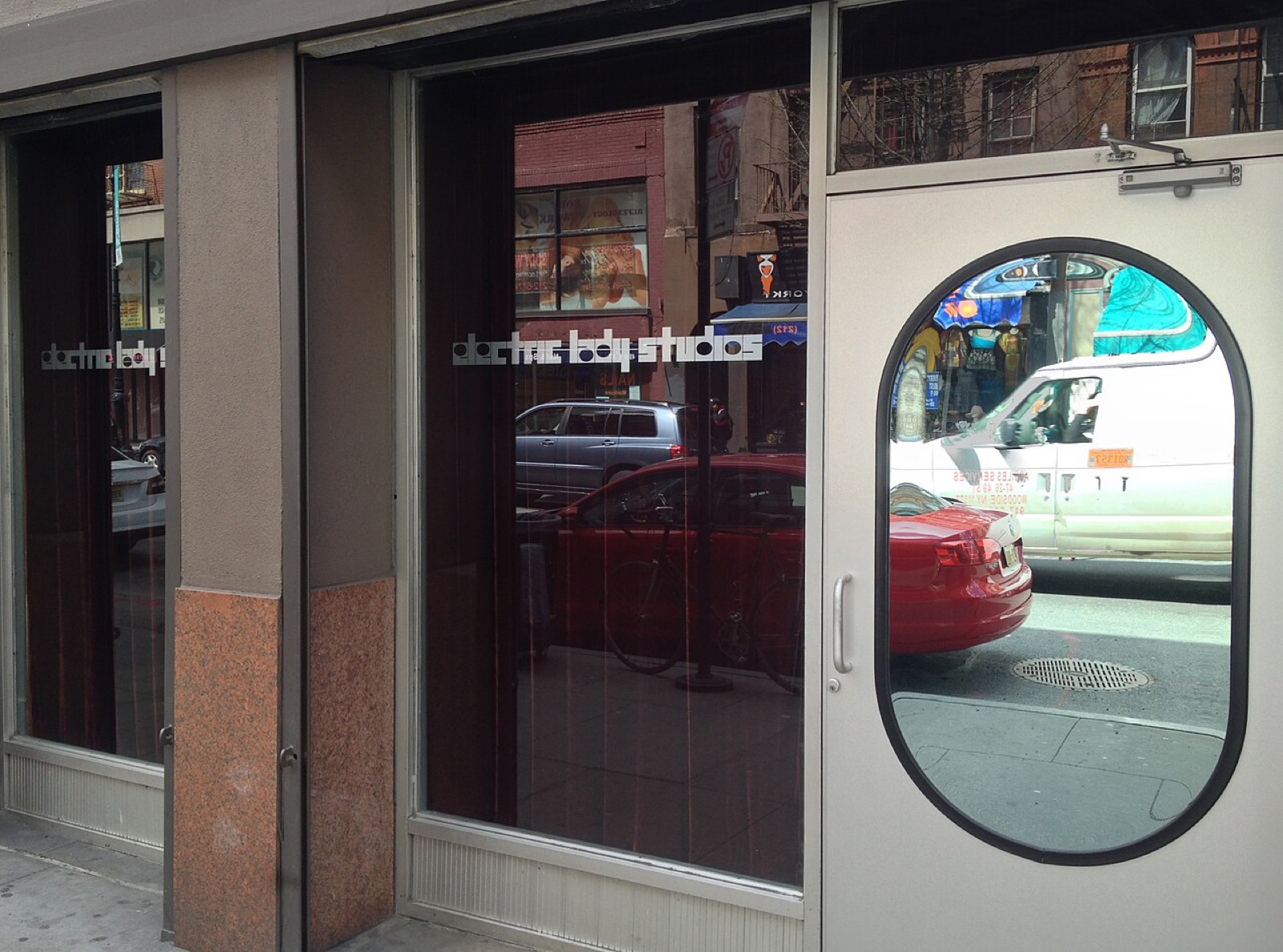
☕ A coffee-length story — about an 8-minute read. A genius guitarist built a studio for himself. He spent only a short time there.
Prologue — August 26, 1970
On August 26, 1970, a small party was underway at 52 West Eighth Street in New York’s Greenwich Village.
It was the opening party for a new recording studio. The walls curved, and the lighting could shift through different colors. The rooms felt like the inside of a spaceship.
The studio belonged to Jimi Hendrix. The world’s most famous guitarist had built it for himself.
That night, Hendrix slipped out of the party early and flew to London the next day. It would be the last time he saw the studio.
📝 About this story
This is a narrative drawn from books, interviews, and manufacturer materials I’ve read over the years. I’ve tried to stay close to the facts, but I wasn’t there, so some nicknames and commonly repeated accounts may have made their way in. References are listed at the end.
Chapter 1 — He Was Going to Buy a Club
Studio Time Was Getting Too Expensive
By the late 1960s, Hendrix was spending long hours in New York studios. He would try an idea, record it again, then try something else. His sessions took a lot of time.
That way of working suited his restless imagination, but studio time was expensive. Every extra take and every new experiment added to the bill. A dedicated room would give him more freedom to work at his own pace, without watching the clock every time he wanted to follow an idea.
The bills grew enormous. “Wouldn’t it be cheaper to have my own studio?” It was a natural question.
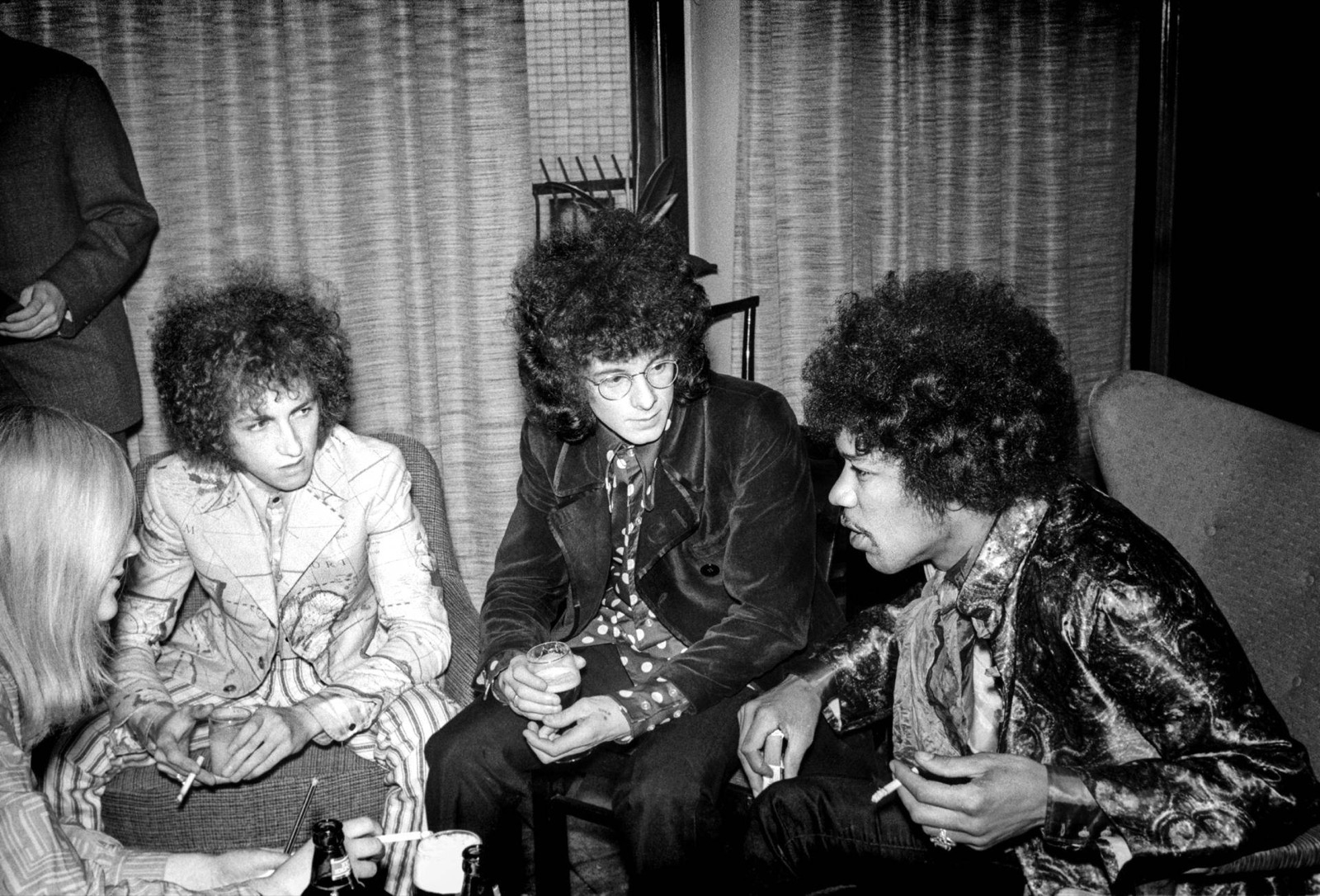
A Former Nightclub
In 1968, Hendrix and his manager bought the building of an old nightclub in Greenwich Village. Hendrix had jammed there himself years earlier.
The original plan, it’s said, was to turn it into a new club. But Eddie Kramer, the engineer who had recorded Hendrix for years, told him, “You don’t need a club. You need a studio.”
The plan changed to a recording studio.
A 22-Year-Old Architect and an Underground Stream
The studio’s design went to John Storyk, an architect who was only 22 at the time. He had never designed a recording studio before.
Construction ran into an unexpected problem. An old stream still ran beneath the building, and every time the crew dug, water came up.
They had to keep pumping it out as they worked. Costs swelled, and it took nearly two years to finish.
Chapter 2 — A Room Like a Spaceship
The finished studio was unlike any other.
- Curved walls instead of square rooms
- Lighting that could change color and transform the mood
- A large, space-themed mural along the hallway
Hendrix wanted a place where musicians could relax and let their imaginations roam. Storyk and Kramer turned that wish into a space that felt like a “spaceship.”
The design was more than a striking look: its changing colors and curved surfaces helped make the studio feel separate from the ordinary rooms outside.
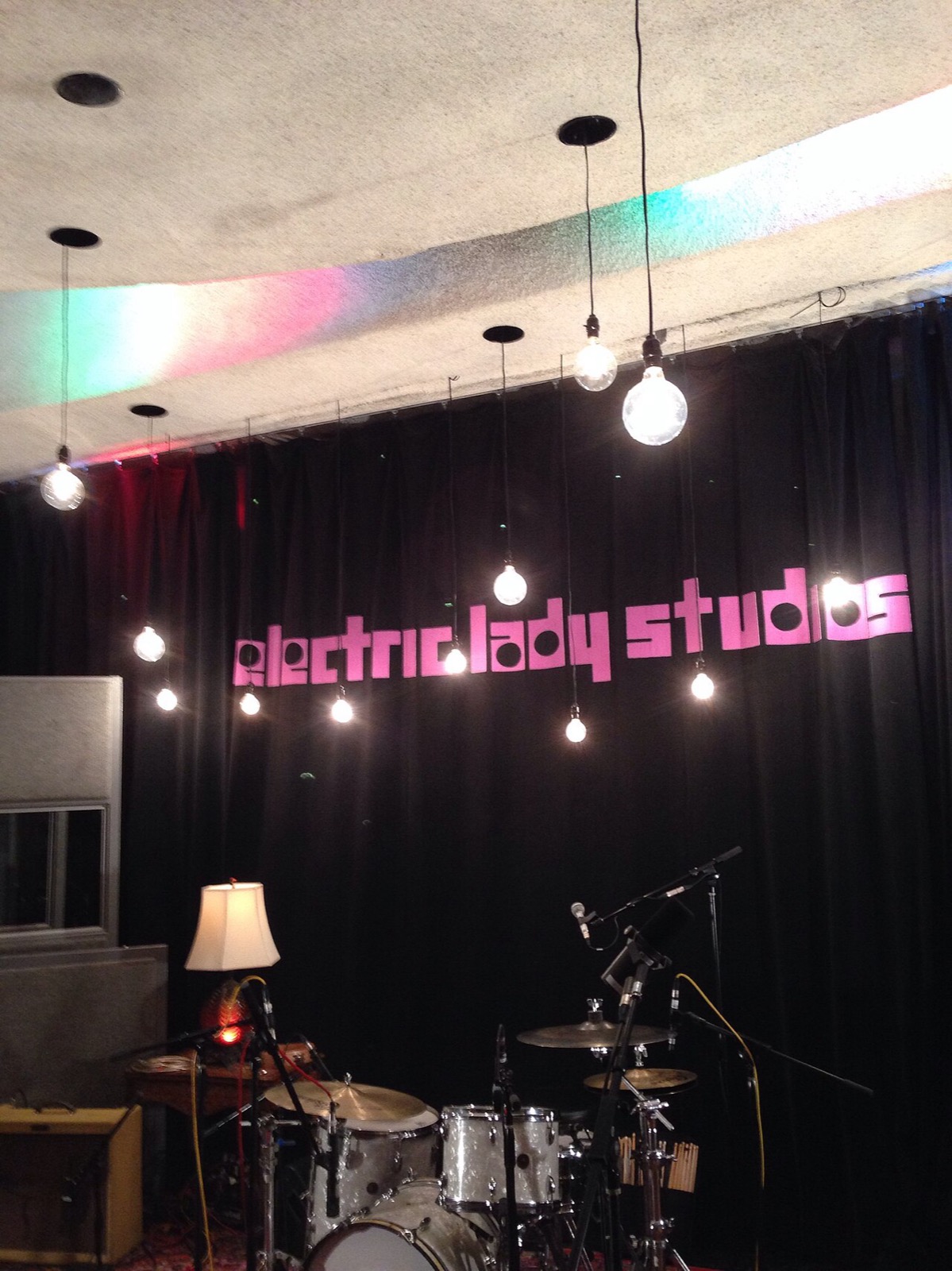
Hendrix had started recording there before the official opening. In the summer of 1970, he worked through song after song for his next album.
The studio was finally giving him a place to experiment on his own terms. Yet he had very little time to use it as the home base he had imagined.
Chapter 3 — The Studio Without Its Master
September 18, 1970
The day after the opening party, Hendrix headed to the Isle of Wight in England for a major music festival. During the European tour that followed, he died in London on September 18, 1970. He was 27.
He had only a few months to make records in his own studio. Almost as soon as Electric Lady opened, it had lost its master.
The Studio Carried On
The studio didn’t close. Other musicians began coming to the rooms built for Hendrix.
Its history was not limited to one artist or one era. The distinctive space became a working studio for musicians with very different sounds, and its rooms continued to be part of New York’s recording life.
- Stevie Wonder recorded acclaimed albums there in the early 1970s
- Patti Smith made her debut, Horses (1975)
- David Bowie recorded “Fame” (1975), co-written with John Lennon
- The Clash, AC/DC, KISS, and others
From the 1990s onward, artists of each era—including D’Angelo, Daft Punk, and Taylor Swift—are reported to have recorded there.
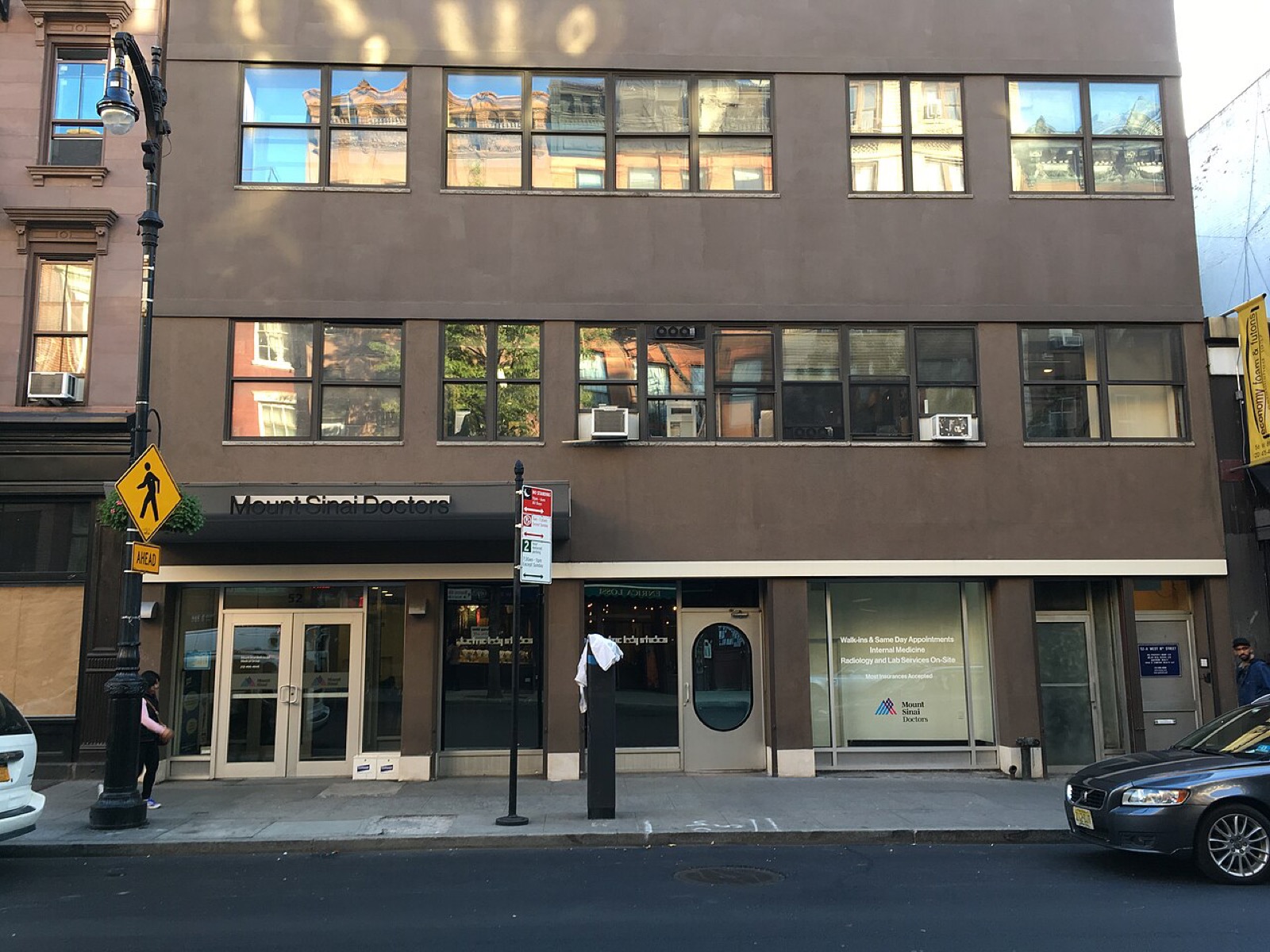
Chapter 4 — Still on a Village Street
More than 50 years later, Electric Lady Studios is still operating at the same address on West Eighth Street. It is one of New York’s longest-running recording studios.
John Storyk went on to become an architect of studios and music halls around the world. Eddie Kramer also had a long career as a renowned engineer, including work bringing Hendrix’s unreleased recordings to the public.
The room Hendrix built “for himself” became, in the end, a room for generations of musicians to come.
Epilogue — A Door Left Open
On the night of August 26, 1970, Hendrix slipped away from the party. No one can know what music he wanted to record in that studio.
But the door to the “room where imagination could roam” that he wanted is still open, more than half a century later. Someone must be searching for a new sound there today.
Electric Lady Studios Timeline
- 1968 — Hendrix and his manager buy a former club building in Greenwich Village
- 1969–70 — Studio construction, complicated by groundwater
- Summer 1970 — Hendrix begins recording
- August 26, 1970 — Opening party
- September 18, 1970 — Jimi Hendrix dies at age 27
- 1970s — Stevie Wonder, Patti Smith, David Bowie, and others record there
- Today — The studio continues operating at the same address
References
- Wikipedia, “Electric Lady Studios,” “Jimi Hendrix,” “Eddie Kramer,” and “John Storyk” (English editions)
- Electric Lady Studios official website
- Eddie Kramer and John McDermott, Hendrix: Setting the Record Straight (1992)
Photo credits
- Header image, “Electric Lady Studios 2013” — Jhsounds / Wikimedia Commons / CC BY-SA 3.0
- “Jimi-Hendrix-1967-Helsinki-c” — Marjut Valakivi / Wikimedia Commons / Public domain
- “ElectricLadyStudioA” — Doc9871 / Wikimedia Commons / CC0
- “Electric Lady Studios” — WarrenG313 / Wikimedia Commons / CC BY-SA 4.0
Licenses:
- CC BY-SA 3.0: https://creativecommons.org/licenses/by-sa/3.0/
- CC BY-SA 4.0: https://creativecommons.org/licenses/by-sa/4.0/
- CC0: https://creativecommons.org/publicdomain/zero/1.0/