Is Your SM58 Genuine? — How to Spot Counterfeit Microphones and Guitar Strings
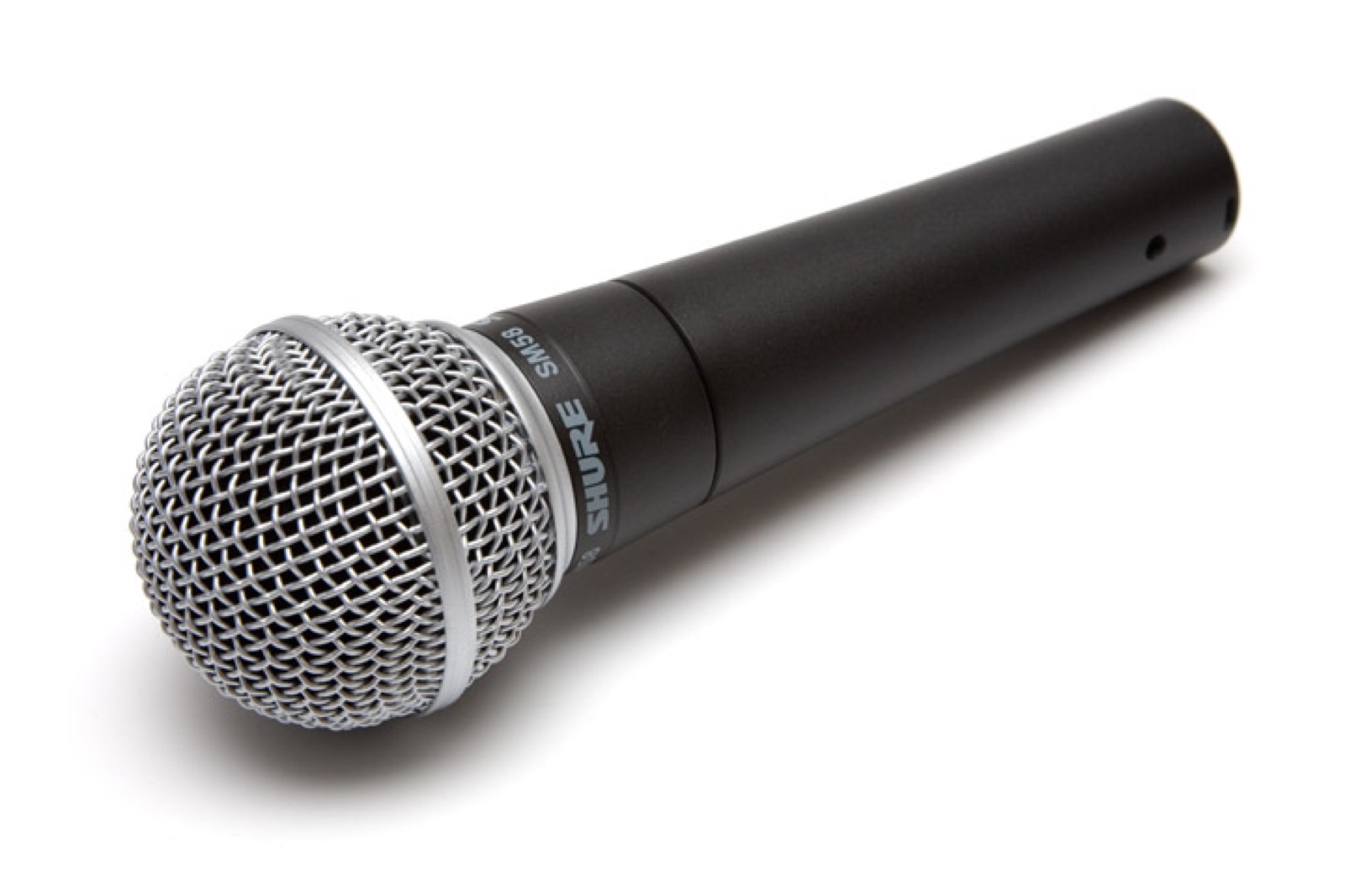
☕ A coffee-length story — about a 10-minute read. This time, it’s not a story so much as a guide to protecting yourself. If you spot a dream microphone selling for an astonishingly low price on a secondhand marketplace or an overseas shopping site, remember this article before you buy.
Prologue — “Brand-New” for Half the Going Price
Imagine finding a listing on a secondhand marketplace one day:
“SHURE SM58, brand-new and unused”
The price is about half what a music store charges.
“Lucky me—I should grab it while I can.” I understand that feeling. But wait a moment.
The SM58, the world’s best-known vocal mic; Neumann, the studio dream; Sennheiser. Counterfeits that look almost exactly like microphones from these popular brands circulate around the world.
And microphones aren’t the only targets. Even guitar strings are counterfeited.
This article brings together ways to spot fakes and tips for checking listings on secondhand marketplaces.
📝 About this story
This guide draws on manufacturers’ official statements, audio trade publications, and user investigations. Counterfeit designs change from year to year, so some fakes may not match the traits described here. Keep one thing in mind: the only sure way to get a genuine product is to buy from an authorized dealer.
Chapter 1 — Why Counterfeits Are Everywhere
The reason is simple: these products are famous and sell well.
The SM58 and SM57 have been bestsellers around the world for decades. Everyone wants one, and their simple appearance makes them easy to copy.
Microphone maker Shure says it continues to identify counterfeiters around the world and remove fake products from online stores. In Asia, reports have described the takedown of a counterfeit sales network that operated more than 80 online stores.
The tricks counterfeit sellers use
Counterfeit sellers are good at fooling buyers, too.
- They use photos of genuine products or official manufacturer images on the listing.
- They copy the genuine product’s specifications exactly.
- They set the price either “obviously too low” or at a deceptively plausible level, just 10–20% below the genuine price.
- They list the item as “used,” “as-is,” or “box not included.”
In other words, photos and listing text often aren’t enough to tell.
Overseas marketplaces are full of “branded” fakes
Search overseas marketplaces such as AliExpress and you may find microphones bearing Shure, Neumann, or Sennheiser logos at prices that would be impossible for genuine products.
The problem is that items sourced there sometimes get resold on Japanese secondhand marketplaces as “brand-new” and “genuine.” We’ll look at this pattern in Chapter 5.
Chapter 2 — How to Spot a Fake Shure SM58 or SM57
Let’s start with Shure microphones, said to be among the most frequently counterfeited.
Check before you buy
- Price: Be wary of a supposedly new mic priced at less than half the going rate. Some fakes are only 10–20% cheaper than a genuine one.
- Seller: Check whether the seller is listed as an authorized dealer on Shure’s official website.
- Photos: Avoid listings that show only manufacturer promo images and no photos of the actual item.
- Accessories: Some reports say fakes may include a cable that doesn’t come with the genuine product. Accessories vary by model and package, so check the official website.
Check when it arrives
1. Weigh it
Try weighing it on a kitchen scale. In user tests, a genuine SM57 weighed about 284 g, while one reported fake weighed around 240 g.
There can be unit-to-unit variation, so treat weight as one clue, not proof.
2. Inspect the grille and logo
On a genuine mic, the band around the grille and the “SHURE” lettering on the body are crisp and clean. Reported differences on counterfeits include:
- The logo’s letter shapes or thickness look slightly different.
- Some lettering appears raised, or the alignment is off.
- The band looks cheap, like a sticker.
3. Look inside at the cartridge
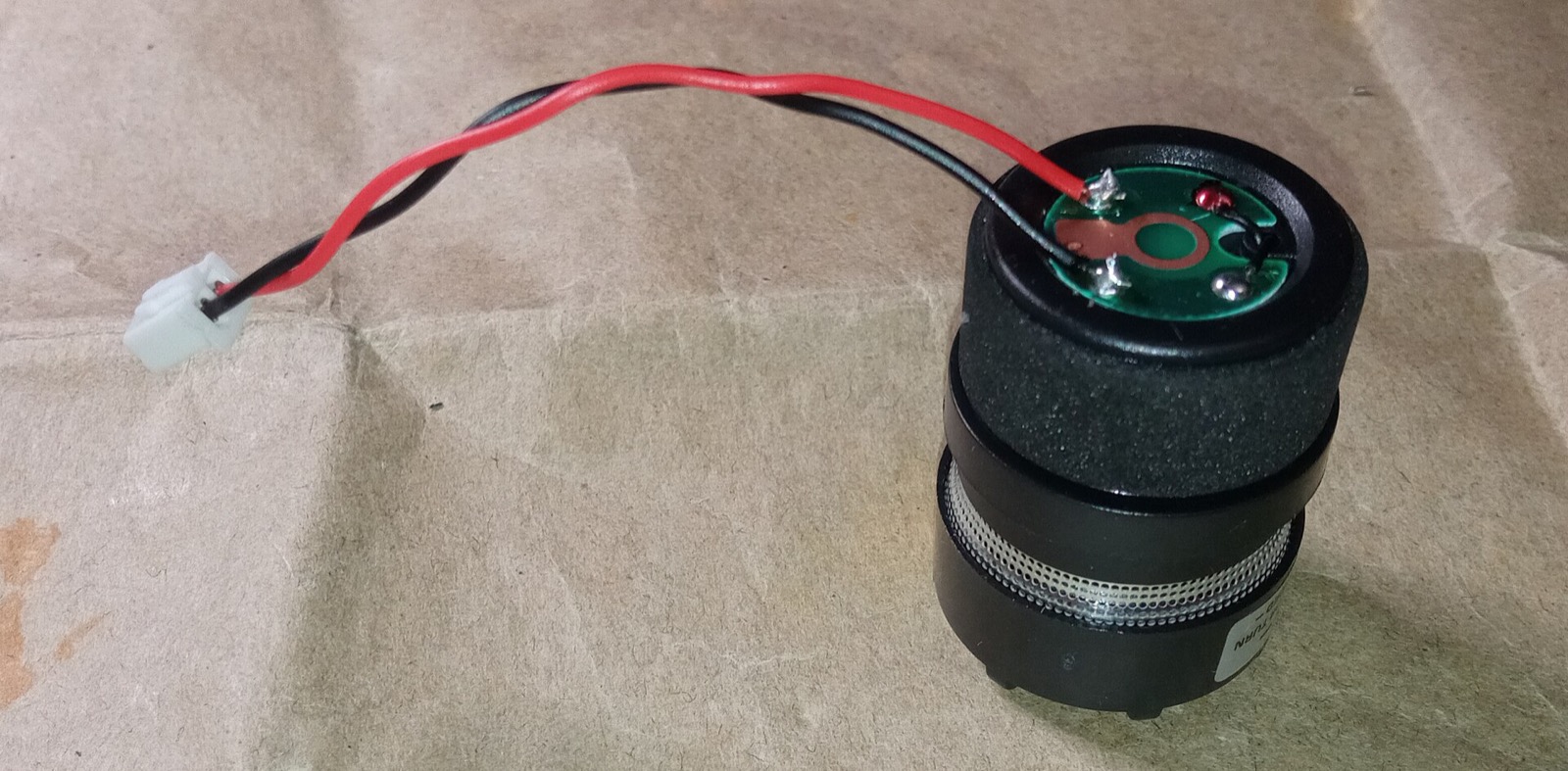
Unscrew the grille at the tip of an SM58 and you can see the cartridge, its “heart.” A genuine mic is solidly built, with carefully finished parts and markings. A fake may have no markings, or its construction may look rough.
The grille can be unscrewed by hand, but don’t force it.
4. Compare the sound and handling noise
Some tests have found that the “rubbing” noise (handling noise) made when holding a counterfeit mic was much louder than on a genuine one. If you can compare it side by side with a genuine mic, listen for differences in body and muddiness, too.
5. The surest option: ask the manufacturer
If you’re unsure, contact Shure support.
Chapter 3 — Neumann and Sennheiser
Neumann (U 87 and others)
Even Neumann, king of studio microphones, has been counterfeited.
- Price: If a microphone that normally costs several hundred thousand yen is listed as “brand-new” for only tens of thousands, be suspicious.
- Case: Genuine Neumann wooden boxes and cases are well made, with high-quality hardware. Some users say a shoddy-looking case is a warning sign.
- Serial number: Genuine products have a serial number. The surest way to check it is to ask Neumann or an authorized dealer to verify it.
There are also many logo-free microphones modeled on Neumann classics—clones. They’re different products that don’t claim to be the brand, so they aren’t counterfeits. The problem is a product sold as genuine with the Neumann name or logo on it.
Sennheiser
Sennheiser officially warns customers about counterfeits. According to the company, even sophisticated fakes that look almost identical to the real thing may have:
- Low-quality plastic or components
- Incorrect or missing accessories
- No German-language manual
- A plug that doesn’t meet common standards
Sennheiser also uses security labels that can help verify authenticity on packaging and some products. You can check the label information online, so look it up when your purchase arrives.
Chapter 4 — Guitar Strings Get Counterfeited, Too
It may come as a surprise, but guitar strings are counterfeited, too. Strings from famous brands are consumables sold around the world every day.
Users have reported signs such as:
- Roughly made ball ends (the small metal balls at the end of each string), or metal with a different color
- Strings that feel oily or sticky for no apparent reason
- Dull-looking color
- Unstable tuning or difficulty getting the intonation right
- Slightly different ink colors on the package (but print colors can vary between production runs, so don’t judge by this alone)
Some brands put a code on the package to check whether it’s genuine. Others don’t offer such a system. In that case, buying from an authorized music store is still your best bet.
Strings are inexpensive, so you might think, “I don’t mind if they’re fake.” But if they sound bad or break quickly, you’ll end up losing time and money anyway.
Chapter 5 — A Checklist for Buying on Secondhand Marketplaces
Here are some tips for buying on marketplaces such as Mercari. The most important thing is to look at the seller, not just the product.
1. Start by checking the seller’s profile
When you find an item you’re interested in, don’t hit the buy button right away. Open the seller’s profile page first.
2. Are they selling lots of the same “new” item?
Look through the seller’s listings. Be cautious if:
- They have several identical new microphones listed.
- The same item appears again after each one sells.
It’s unusual for an individual to own several copies of the same brand-new microphone.
3. Are their other listings mostly things you see on overseas marketplaces?
Take a close look at the rest of their listings. You may find:
- A long list of new products from unrelated categories, not just microphones but also earbuds, cables, and accessories
- Products that are all commonly found on overseas shopping sites
Such sellers may be reselling goods bought cheaply overseas. That doesn’t mean everything they sell is counterfeit, of course, but it’s wise to be cautious with branded microphones.
4. Read the ratings and comments for the overall picture
- Do any reviews say “not what I expected” or “the sound is quiet”?
- Does the description say only “brand-new and unused,” without explaining where it was bought or whether it has a warranty?
- Do they give only vague answers when you ask questions?
None of these signs proves anything by itself. But if several show up together, you can probably read between the lines. That vague feeling you get is usually right.
5. If you’re unsure, don’t buy it
Another chance to find a bargain on a secondhand marketplace will come along. When in doubt, the safest choice is not to buy.
Chapter 6 — What to Do If You Bought a Fake
Sometimes, despite your best efforts, you end up with a counterfeit. If that happens:
- Before leaving a rating for the transaction, contact the marketplace’s support team.
- Send photos to the manufacturer or its authorized distributor and ask them to check the product.
- Don’t resell an item once you know it’s counterfeit.
The third point is especially important. Knowingly selling a counterfeit may violate trademark law.
Since October 2022, Japan’s customs authorities have also been able to seize counterfeit branded goods sent from overseas businesses to individuals. It’s best to avoid buying a cheap, logo-bearing microphone from an overseas marketplace, even if it’s “just for personal use.”
Epilogue — The Best Place to Find a “Cheap Genuine” Mic Is an Authorized Dealer
A microphone is a tool you can use for years—sometimes for decades. A genuine SM58 keeps picking up your voice after a fall onstage or a soaking in the rain. That reliability is why people around the world have loved it for so long.
The surest way to get that dependable performance may seem like a longer route, but it’s to buy from an authorized dealer. A used mic from a music store that offers a warranty can be a safe choice, too.
The next time you find an astonishingly cheap “new” mic, take a breath and remember this checklist. When you find the real thing, your voice and your playing can reach even farther.
References
- Shure official website, “How to avoid fake Shure microphones and earphones”
- Sennheiser official website (counterfeit product guidance)
- AudioTechnology, “Spotting a Shure SM57 clone”
- Home Recording forum (user reports investigating fake SM57 and SM58 microphones)
- Ernie Ball official forum (reports about counterfeit strings)
- ProSoundWeb and Sports Video Group (news about Shure’s counterfeit takedowns)
- Japan Customs, “Enforcement Against Goods that Infringe Intellectual Property Rights” (October 2022 rule change)
Photo credits
- Header image, “Micro Shure SM58” — Photo: Nicolas Esposito / Wikimedia Commons / CC BY 2.0
- “Капсюль Shure SM58” — Photo: Monoklon / Wikimedia Commons / CC BY 4.0
Licenses: CC BY 2.0 https://creativecommons.org/licenses/by/2.0/ ; CC BY 4.0 https://creativecommons.org/licenses/by/4.0/