A Piano Built for Soldiers in Hospital Beds: Harold Rhodes and the Fender Rhodes
☕ A coffee-length story — about a 15-minute read. This is the tale of a piano teacher who taught wounded soldiers in a World War II army hospital, and who went on to create the sound of 1970s jazz and soul.
Prologue — A Keyboard on the Bed
An American army hospital, in the mid-1940s. On a bed, a young wounded soldier has a small keyboard resting on his lap.
It was far too small to call a piano. It had about thirty keys. Inside, instead of strings, lay bars cut from metal pipe. Strike them and they rang out with a clear, xylophone-like tone.
Those pipes, it is said, came from the parts of bomber aircraft.
The man who came up with this little instrument was a piano teacher named Harold Rhodes.
Some twenty years later, his name would become the name of an instrument known to musicians around the world — the round, bell-like electric piano heard all over the jazz, soul, rock and pop records of the 1970s.
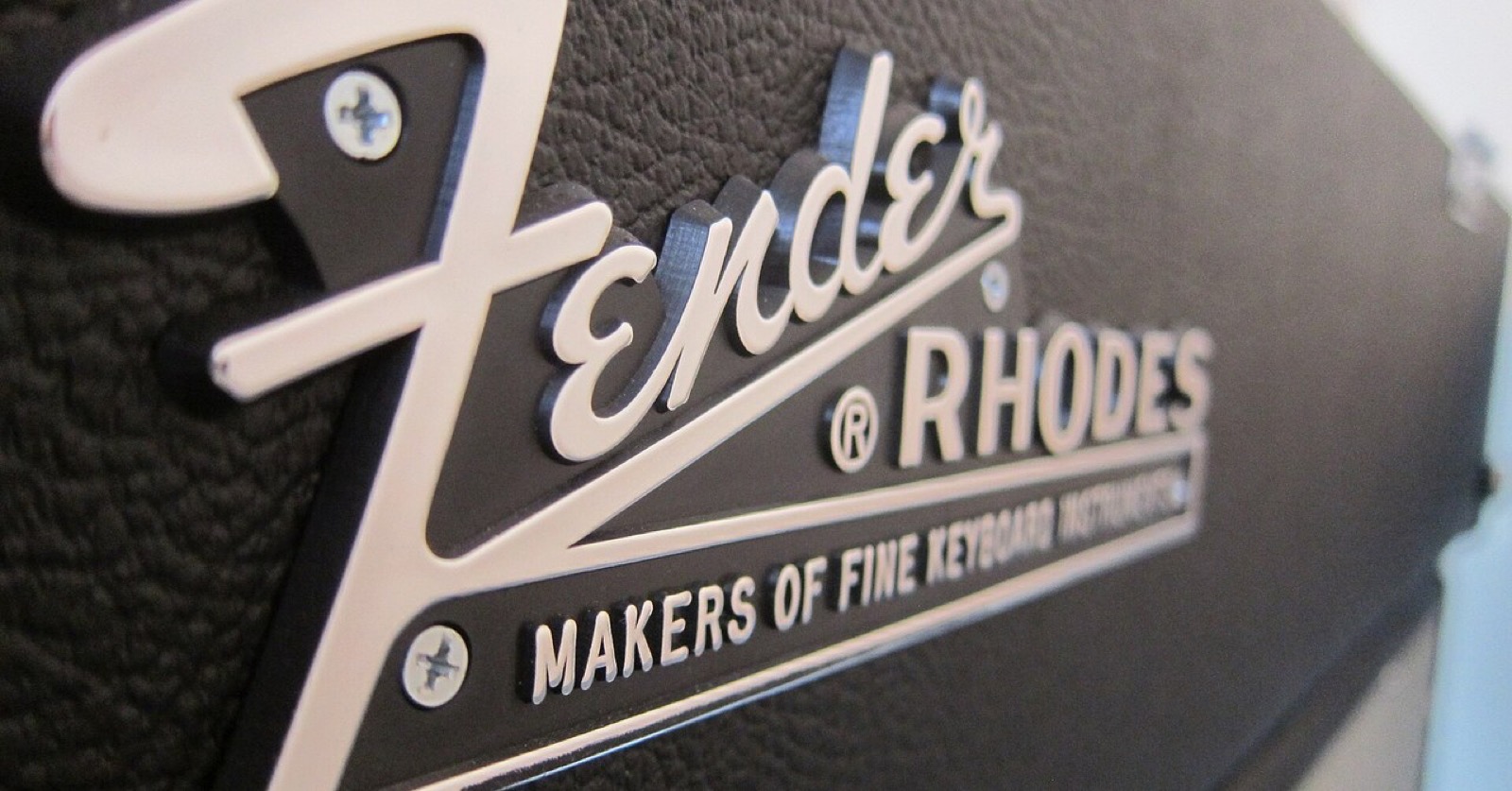
The Fender Rhodes.
This is the story of a keyboard instrument that began on a hospital bed.
Chapter 1 — Running a Chain of Piano Schools at Twenty
A boy who was going to be an architect
Harold Burroughs Rhodes was born on 28 December 1910 in San Fernando, California.
As a boy, Harold loved music and architecture. He won a scholarship to study architecture and went to the University of Southern California.
But in 1929 the Great Depression began. To support his family, Harold left university and went to work.
Teaching piano
The work he chose was teaching piano. From around 19, Harold was giving lessons.
His approach was a little different. He devised his own method that built a bridge between solid classical foundations and the freedom of jazz-style playing.
The method caught on. By around 20, it is said, Harold had spread piano schools across America under the name "Harold Rhodes School of Popular Piano."
One student at a time
A piano teacher, though, had one frustration.
A guitar teacher could gather several students and teach them together. A piano, big and heavy, couldn't be lined up by the dozen. A teacher could only take students one at a time.
If only he could teach many people at once. That wish, recalled someone who worked at the Rhodes factory, was one of the starting points of the Rhodes piano.