The Sound Born from a Broken Mixing Desk: The Birth of Fuzz, the Maestro FZ-1 and the Fuzz Face
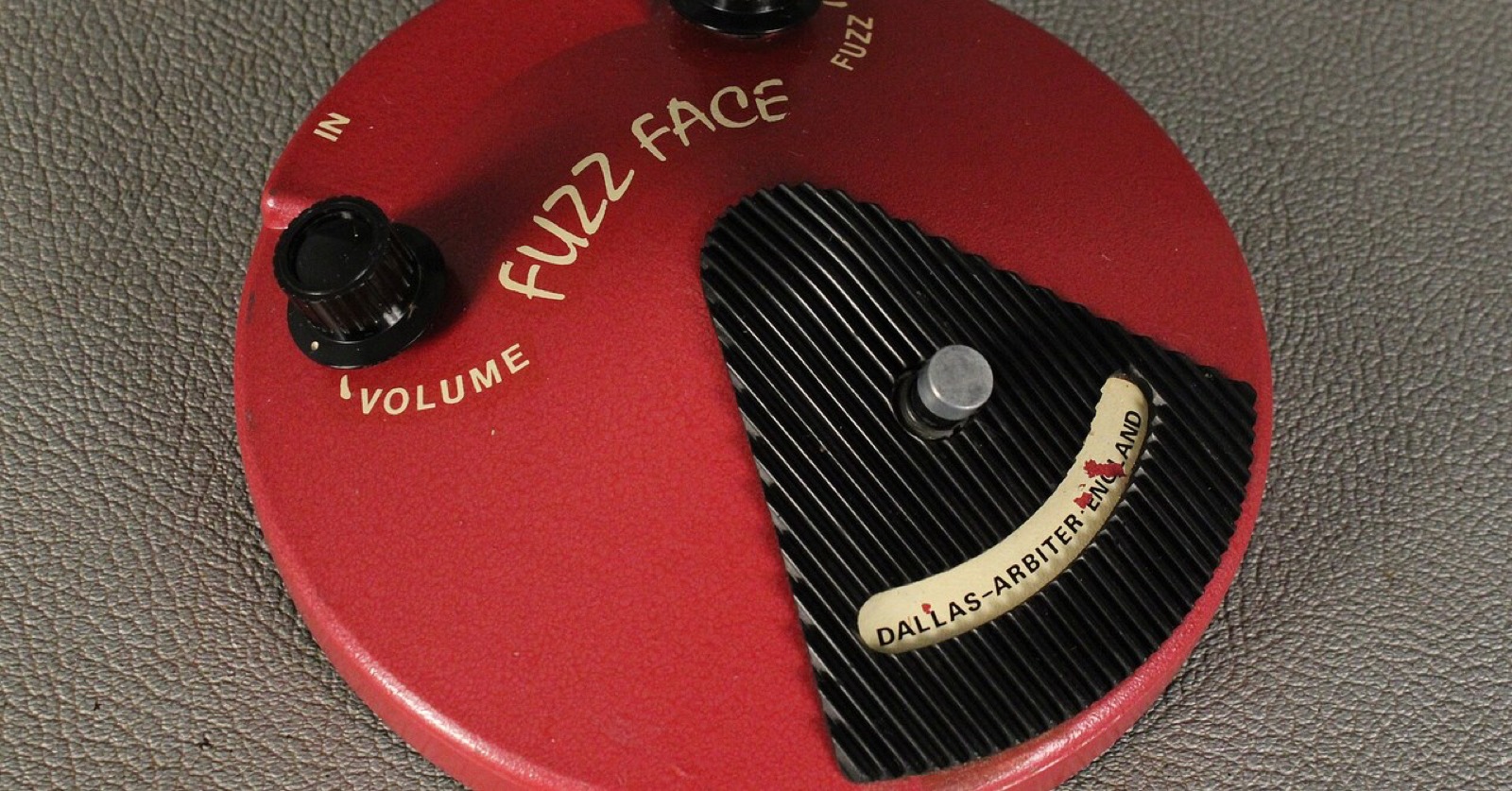
☕ A coffee-length story — about a 15-minute read. This is the tale of how the "mistake" made by a piece of recording equipment that broke mid-session became a box in a country-music town — and then picked up a round, smiling face in London.
Prologue — A Half-Cylinder Studio in Nashville
Nashville, in the American South, around 1960. In this town famous for country recordings stood a building shaped like a giant tin can cut in half and laid on its side — a corrugated metal hut of the kind the military used for storage. People called it the Quonset Hut.
Inside was a recording studio. One day, a new song by country singer Marty Robbins was being recorded there. It was called "Don't Worry" — a gentle ballad telling someone not to worry.
The band was made up of the finest session musicians in town. Partway through the song, as guitarist Grady Martin played a low-pitched phrase, it happened.
The sound broke up. Crackling, gritty, like paper being torn. Inside the recording equipment, a part had failed.
Normally, you'd do another take — re-record it clean and put it on the record as if nothing had happened. But that day, the people running the session decided to keep the broken sound.
It was the moment the sound later known as fuzz first made it onto a big hit record.
This is the story of how a "broken sound" became an instrument.
Chapter 1 — Rock and Roll Through Broken Amps
A speaker damaged on the road
In fact, even before the accident in Nashville, the sound of a "broken-up" guitar had occasionally crept onto records. Usually it was by accident, or mischief.
In 1951, Ike Turner's band recorded "Rocket 88", sometimes counted as the very first rock and roll record. On it, the guitar sounds fuzzy and rattling. That, it's said, was because guitarist Willie Kizart's amp speaker had been slightly damaged on the way to the session.
In 1956, Paul Burlison is said to have deliberately loosened a valve in his amp to get a distorted sound when recording "The Train Kept A-Rollin'."
Holes made with a pencil
In 1958 came Link Wray's "Rumble". It was an instrumental — just guitar, no vocals — yet plenty of people were startled by how raw it sounded. Wray, it's said, poked holes in his speaker cones with a pencil to dirty up the tone. Even without a single lyric, the title — suggesting a street fight — and the savage sound led some radio stations to keep it off the air, so the story goes.
In 1964, Dave Davies of Britain's Kinks reportedly slashed a speaker with a razor blade to create the guitar sound on "You Really Got Me."
All of these sounds were the result of breaking something. You couldn't make them any time, anywhere. Slash the speaker again, and you'd get a different sound. Broken-up tone wasn't an instrument so much as an accident of the day.