[Motorcycle History] From a Backyard Shed to an American Icon — Harley-Davidson
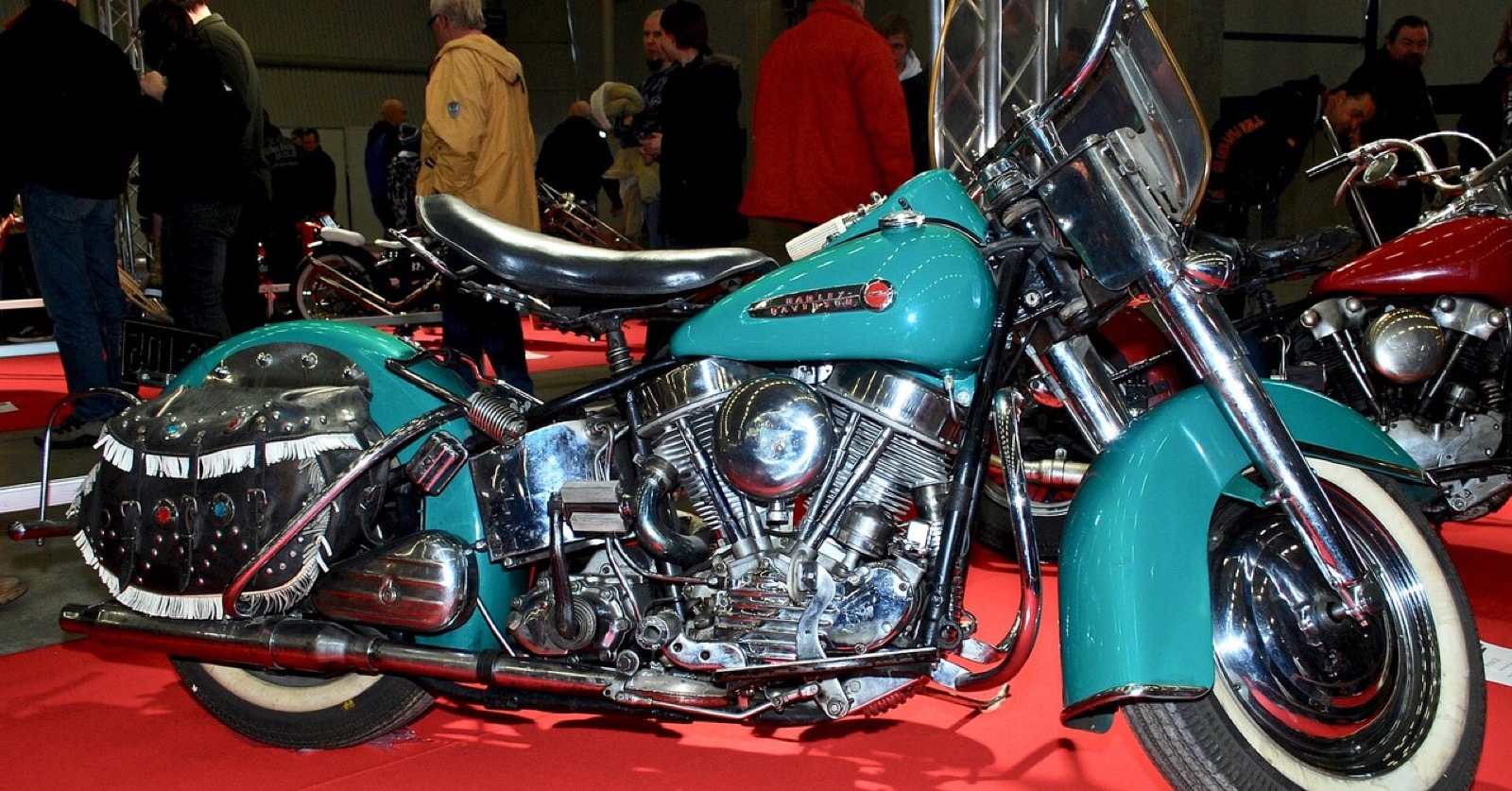
☕ A coffee-length story from GC Lab's "Motorcycle History" series, where we follow machines through the people and events behind them. This time: Harley-Davidson, which began in a backyard shed in Milwaukee and has kept running for more than 120 years.
💡 What you'll learn
- How a four-man company that started in a shed became the world's largest motorcycle maker
- How the V-twin's "faces" changed: Knucklehead, Panhead, Shovelhead
- Why, in 1981, the company's own executives bought it back from the brink
Prologue
Milwaukee sits in the American Midwest on the shore of Lake Michigan. At the start of the twentieth century it was a city of breweries and machine shops, and in one family's backyard stood a small wooden shed, about ten feet by fifteen.
Inside that shed, a few young men in their early twenties were trying to put an engine into a bicycle. William S. Harley drew the plans. Helping him were his childhood friend Arthur Davidson and Arthur's brothers.
The story goes that the shed door bore a name the whole world would one day know: "Harley-Davidson Motor Company." At the time, though, all they really had were borrowed tools, their evenings after work, and a fascination with engines.
More than 120 years later, the big V-twin with its heavy, loping beat has come to carry the very idea of "America." It went to war, became a symbol of freedom on the movie screen, and, when the company nearly collapsed, was bought back by its own people. This is the story of that long road.
Chapter 1 — A backyard shed and a bike that couldn't climb a hill
The story begins in 1901. William S. Harley, then 20, drew up plans for a small engine to fit in a bicycle frame. America was in the grip of a bicycle craze, and "motor-bicycles" with small engines bolted on were being tried everywhere. At the threshold between the horse-drawn age and the automobile age, this new machine captured the imagination of young mechanics.
Harley's partner was his childhood friend Arthur Davidson. Both had day jobs; evenings and weekends went into prototypes in the shed. Arthur's brother Walter soon joined them.
In 1903 the first machine took shape. But it could not climb Milwaukee's hills without help from the pedals. A small engine in a bicycle frame simply didn't have enough power.
They did not try to sell the failure. They treated the first machine as an experiment to learn from, and set about building a bigger engine and a new frame strong enough to carry it. Rather than adding an engine to a bicycle, they would design a frame around the engine from scratch. That shift in thinking was Harley-Davidson's true starting point.
The new loop-frame prototype was assembled in the shed and running in 1904. Finished machines began to sell, little by little, and in 1906 the company built its first factory on Chestnut Street in Milwaukee, later renamed Juneau Avenue. Production that year was about 50 motorcycles. In 1907 the eldest brother, William A. Davidson, a toolroom foreman at a railroad shop, joined as well.
Harley handled design and engineering, Walter ran the business, Arthur led sales, and William A. built up the factory. Each of the four founders supported the company with his own strength. Having someone to draw the plans, someone to sell, and someone to organize production would later help them survive as so many rivals disappeared.
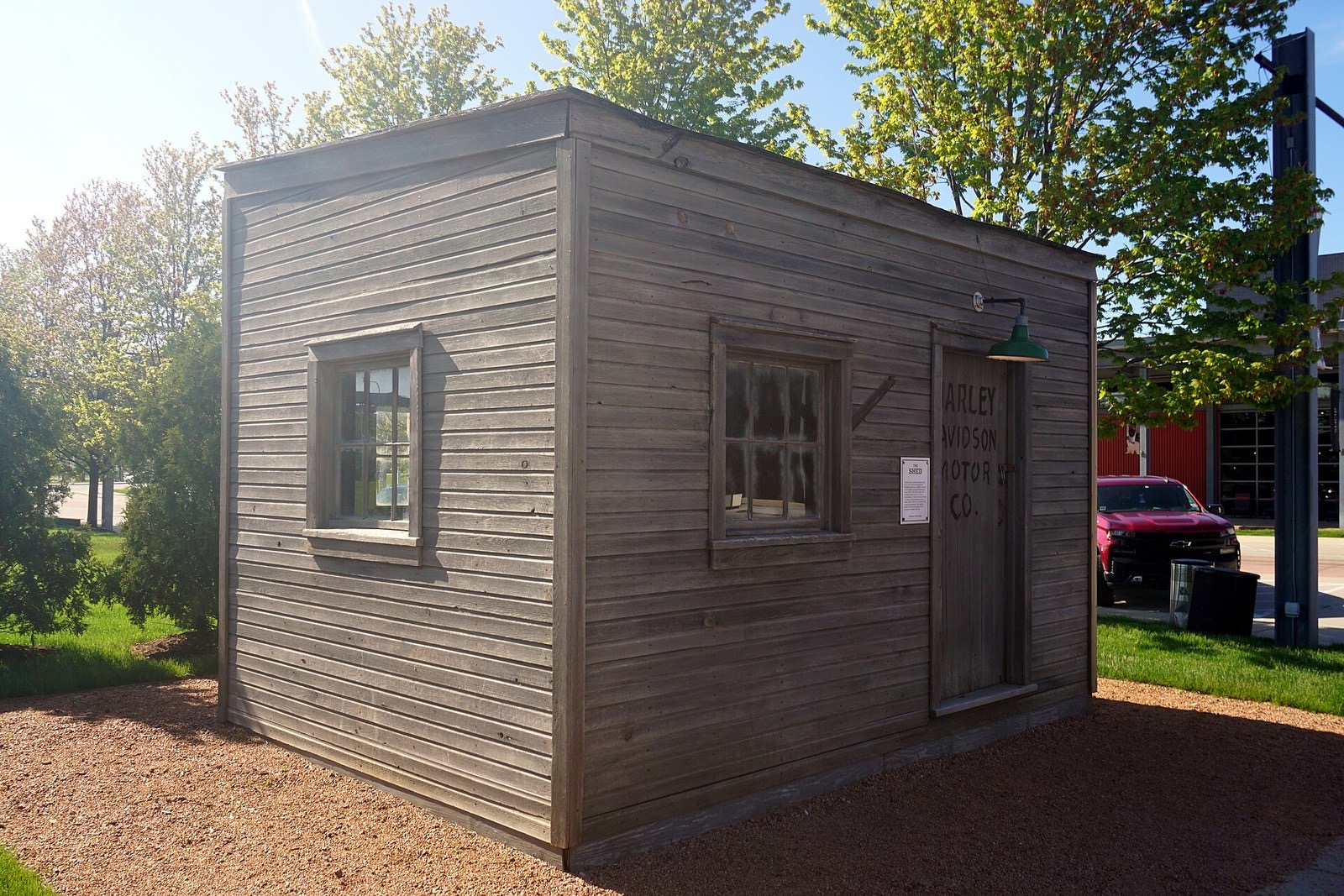
The company incorporated in 1907, and output grew to 150 machines. That same year it began selling to police departments. Being chosen by the police as dependable transport meant a great deal for a vehicle that was still new. Production rose to 450 in 1908 and 1,149 in 1909. Within a few years they had gone from a backyard shed to a proper factory in Milwaukee. A young men's evening hobby had become a real company.