[HONDA Motorcycle History] Born in an Amusement Park, Traveling in a Car Trunk — The Honda Monkey
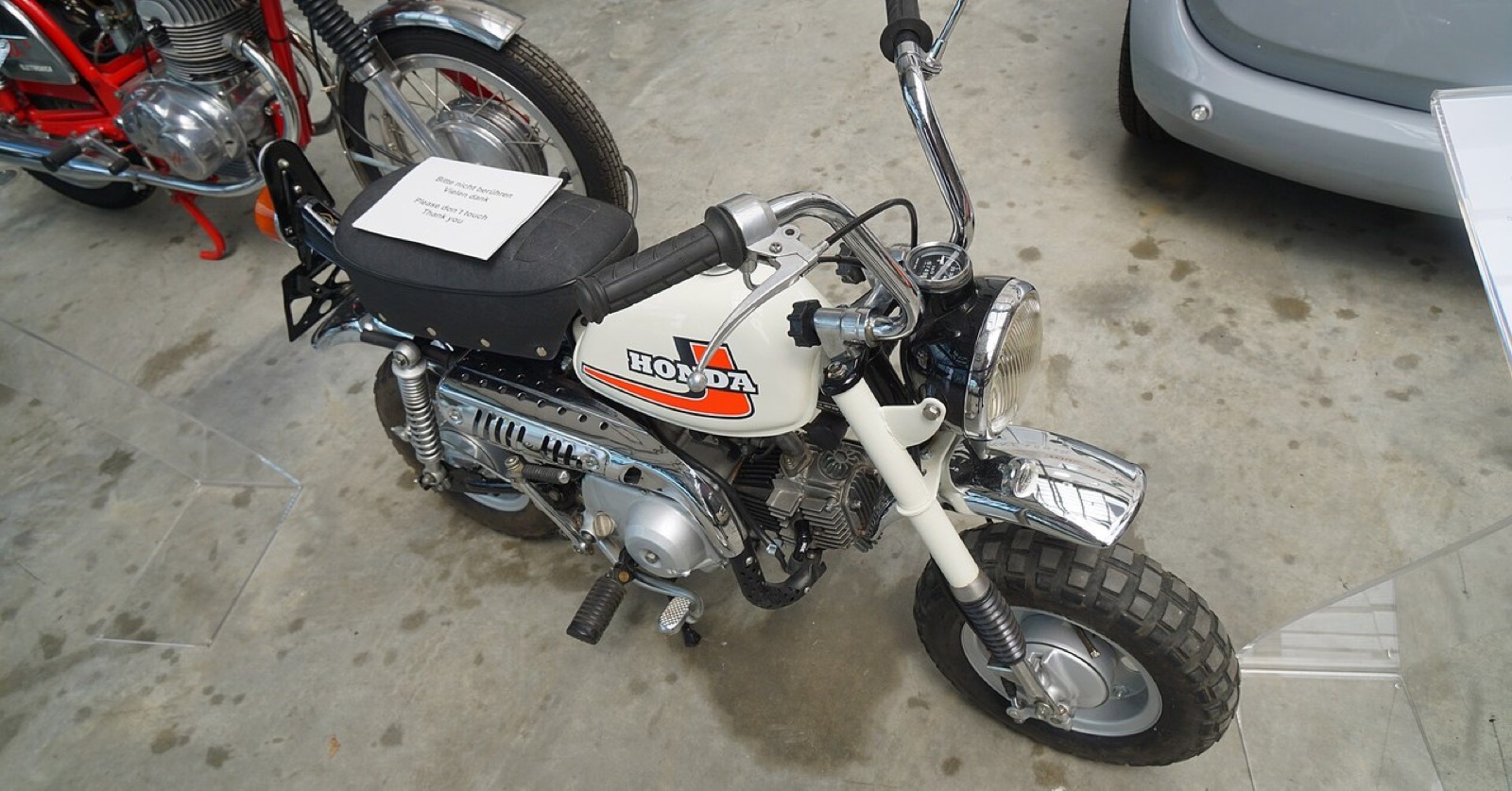
☕ A coffee-length story from GC Lab's "Motorcycle History" series, where we follow machines through the people and events behind them. This time: the Monkey, a tiny bike built as a children's ride at an amusement park, which crossed the sea, rode in car trunks, and stayed loved for fifty years.
💡 What you'll learn
- Why an amusement-park ride that was never meant to be sold became a production bike
- The thinking behind the folding handlebars and the car trunk
- How the Monkey, killed off by emissions rules, was reborn for the world as a 125
Prologue
In October 1961, a slightly unusual amusement park opened in the Tama Hills outside Tokyo.
It had a Ferris wheel, but the real stars were vehicles with engines. Here you could polish your riding skills on an up-and-down course, or enjoy engine-powered rides with the whole family: it was an amusement park built around motoring. It was called Tama Tech, and it was built by a motorcycle company: Honda.
At that park, children climbed aboard a strikingly small motorcycle. Its tyres were five inches across, about the size of the wheels on a hand cart. A thin, bright red frame, a little seat and handlebars. And yet inside was a real engine.
On the park's signboard, the ride was called the "Monkey Auto."
Nobody imagined it then. That this little vehicle, built only for an amusement park, would cross to Europe, ride in car trunks, become a favourite of American children, and stay in production for more than fifty years. This is the long journey of the Monkey, born in an amusement park.
Chapter 1 — An amusement park that turned motorsport into play
The Monkey's story begins not with a motorcycle, but with the founding of a company.
In February 1961, Honda put up all the money for a new company, Motorsportland Co., Ltd. Its goal was to root motorsport in Japan as a healthy sport and spread it widely. Its work was huge: preparing two amusement parks for opening, Tama Tech in Tokyo and Ikoma Tech in Nara, and building the Suzuka Circuit, which would become the sacred ground of Japanese racing. The company is the origin of today's Honda Mobilityland.
In Japan at the time, motorcycles were still "work tools." They hauled goods, delivered noodles and carried commuters. The idea of enjoying riding for its own sake was not yet widely known. Honda wanted everyone, children and adults, whole families, to experience the fun of playing with engine-powered vehicles.
In October of that same year, 1961, Tama Tech and Ikoma Tech opened. Built as a ride for these parks was the "Z100," later called the ancestor of the Monkey.
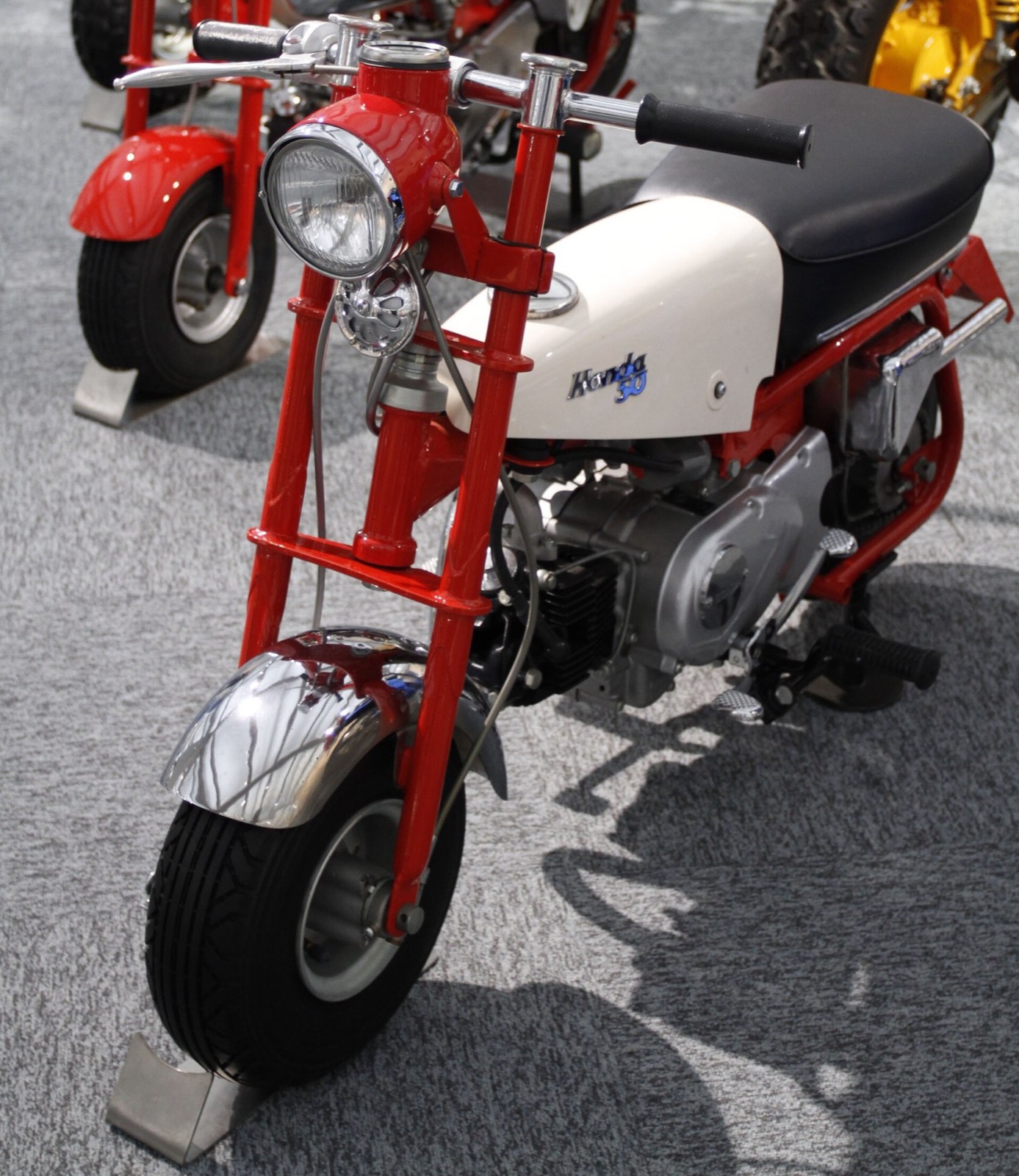
So that even children could handle it, the Z100 paired a very small body with five-inch tyres. The engine was the Super Cub's 50 cc, already famous for being easy to use. A tiny body, with a genuine, dependable engine. Children, of course, and adults too, could enjoy to their hearts' content the thrill of controlling a vehicle with their own hands, inside the park.
At the time it was called the "Monkey Auto" or "Monkey Autobike." Why "Monkey"? The best-known theory is that an adult hunched over the tiny bike looked like a monkey. Another says it was test-ridden on the Yaen Kaido, the "Wild Monkey Road" that runs near Tama Tech. Either way, the charming name suited the little bike perfectly.
The Z100 was strictly a park ride. Putting a number plate on it and riding on public roads, or selling it in shops, had never been part of the plan.