"You Press the Button, We Do the Rest": Kodak and George Eastman
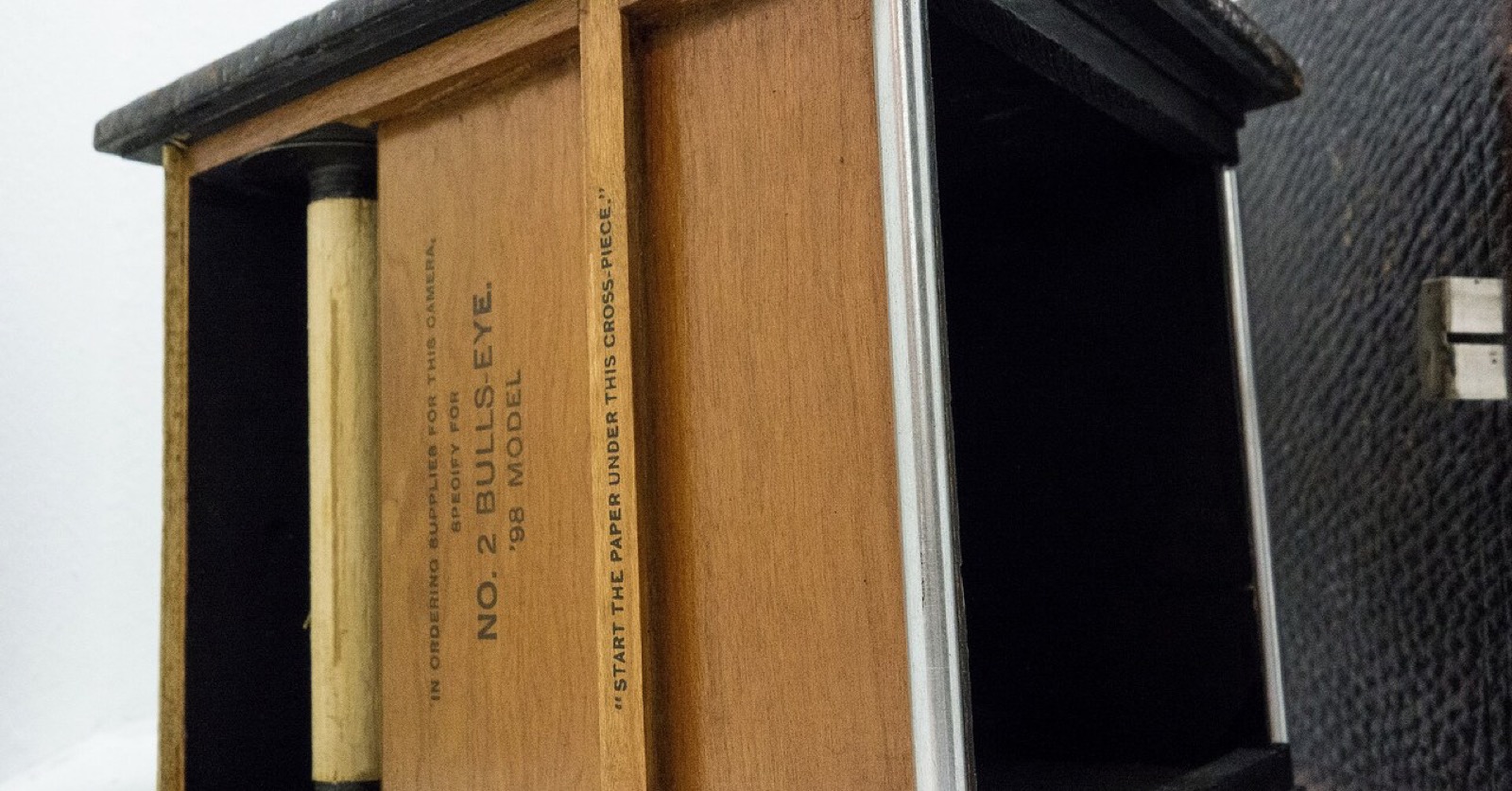
☕ A coffee-length story — about a 15-minute read. This is the tale of a young bank clerk who turned photography from a specialist's craft into a pleasure anyone could enjoy.
Prologue — An Advertisement from 1888
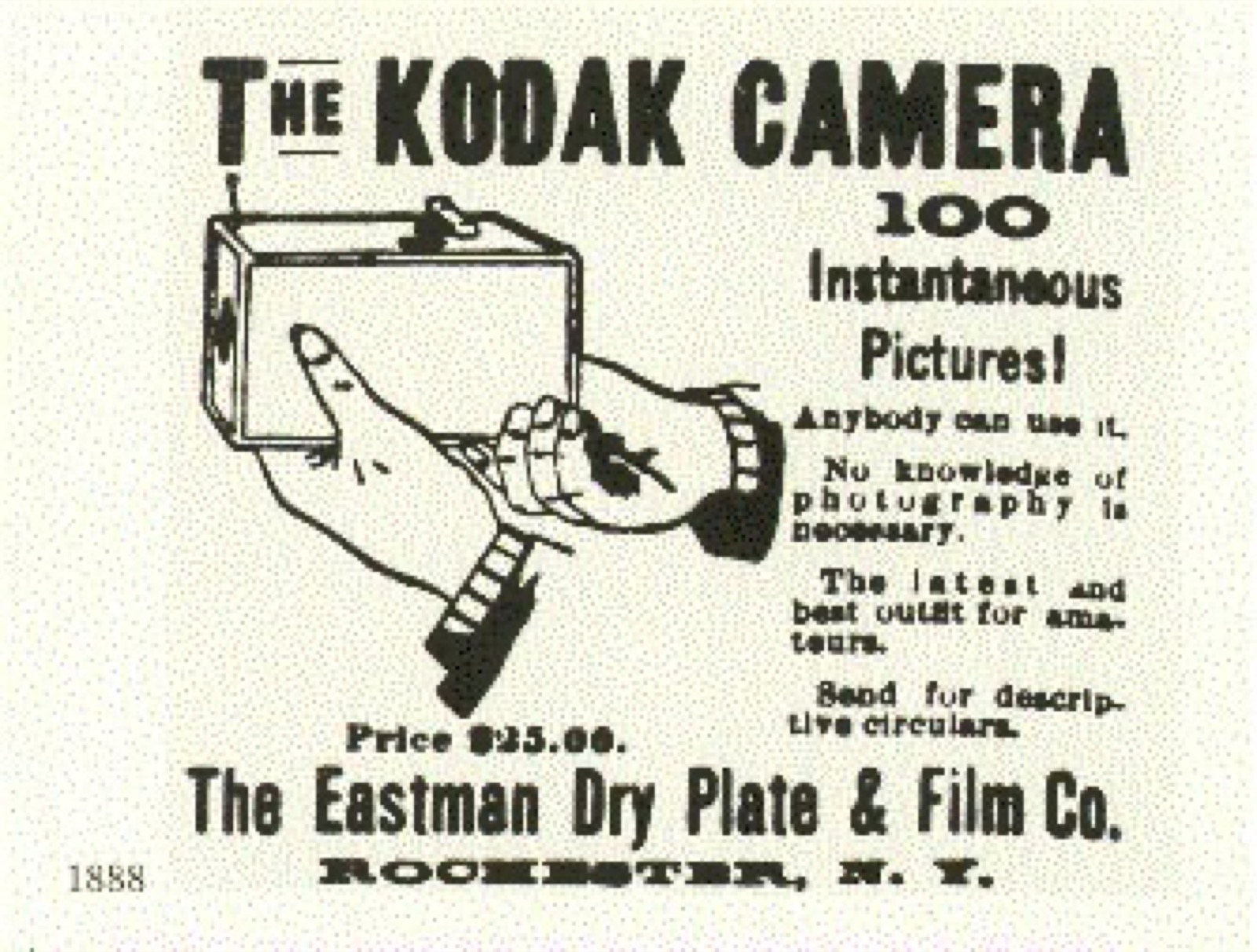
In 1888 a small advertisement appeared in American magazines.
A black, square box small enough to hold in one hand. Beside it, one short line:
"You press the button, we do the rest."
At the time, taking a photograph was something of an undertaking. A heavy camera and tripod. Fragile glass plates. Chemicals handled in a dark room. Anyone who took pictures needed the knowledge and equipment of a half-chemist.
This box was different. Press the button. Pull the string. Turn the key. That was all it took to make a picture. When you had finished, you sent the whole box back to the factory, and it came back to you as photographs.
The box was called the Kodak. It was made by a former bank clerk in Rochester, New York.
This is the story of that man, George Eastman, and of the "world where anyone can take a picture" that he built.
Chapter 1 — A Clerk at Fourteen
A home without a father
George Eastman was born on 12 July 1854 in Waterville, a small village in New York State.
His father ran a business college. In 1860 the family moved to Rochester, where the college was. Two years later his father fell ill and died. George was seven.
His mother, left with almost no money, made ends meet by taking in boarders. George had two older sisters; one of them also died, when he was fifteen.
The boy who cleaned the spittoon
George is said to have been a quiet, unremarkable child. At fourteen he left school and went to work as an office boy at an insurance company.
His first wage was three dollars a week. Cleaning the boss's spittoon was part of the job.
He was a meticulous boy. He kept a small notebook in his pocket and recorded every expense to the cent. Candy, horseback rides, even the cost of dates — it is all written down.
In time he became a clerk at a Rochester savings bank. He worked hard, and by his early twenties he was earning about $1,400 a year — a dependable son supporting his mother and sister.
He would rise steadily at the bank. That's what everyone expected. Then a plan for a trip sent his life in a very different direction.