The Asthmatic Engineer Who Took Photography into the Streets — Leica
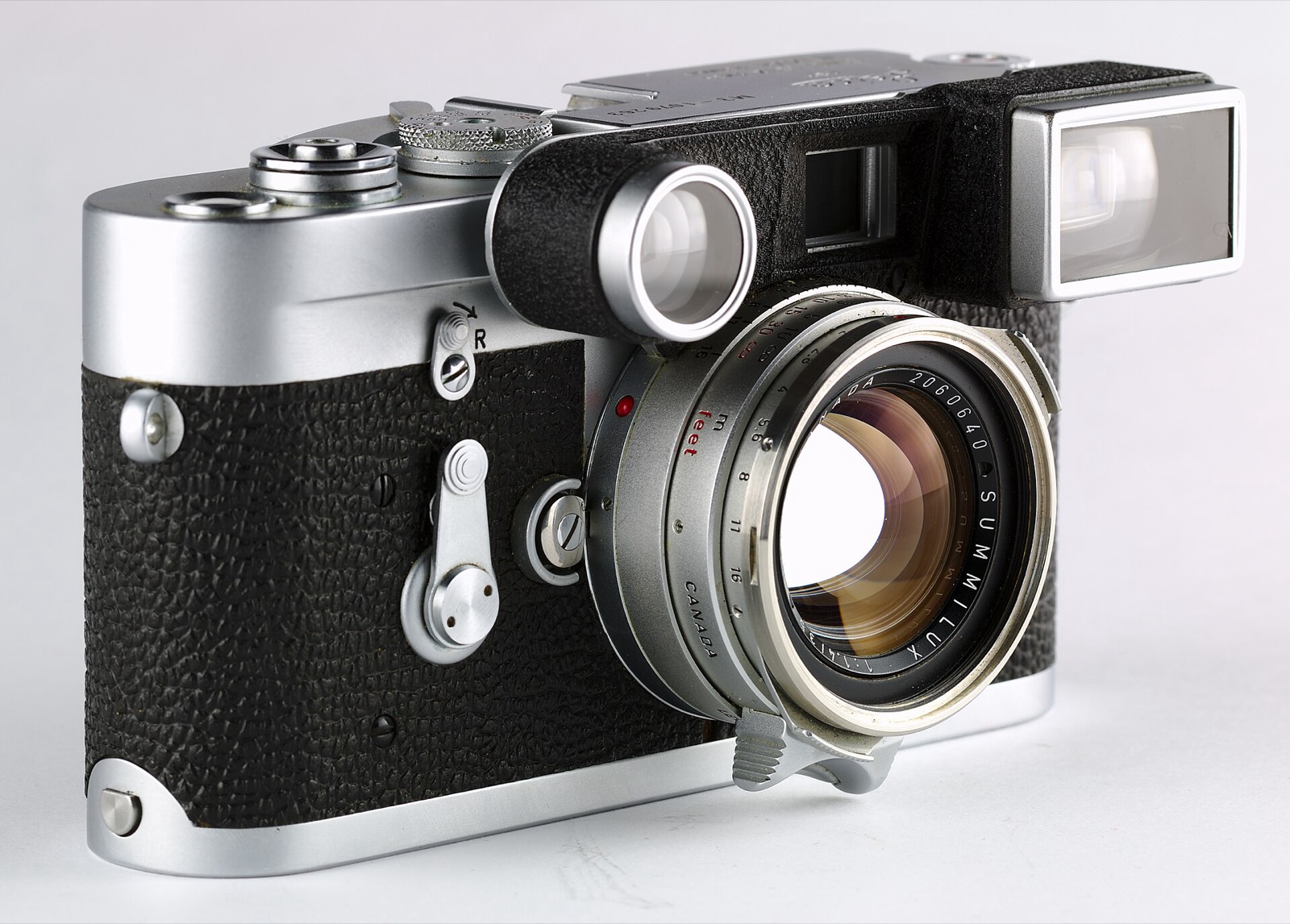
Prologue — An Auction Room in Vienna, June 2022
June 2022. Vienna, Austria. At a camera auction, the hammer came down.
The winning bid was €14.4 million—about ¥2 billion at the time. It was said to be the highest price ever paid for a camera.
The camera was neither a modern model nor one encrusted with jewels. It was a small black metal box that fit in the palm of a hand: a near-prototype made almost a century earlier.
Its creator was Oskar Barnack, an engineer who worked for a microscope maker in a small German town. He was also said to have suffered from asthma and to have been physically frail. Carrying a heavy camera over the hills was hard for him.
“If only there were a smaller camera.”
That modest wish would eventually change photography around the world.
📝 About this story
This account draws on books, interviews, and manufacturer materials I have read over many years. I have tried to stay close to the facts, but I was not there, and some familiar names and stories may reflect received wisdom. Disputed stories are set apart in Legend & Lore sections, and the references appear at the end. This is the first in a series tracing the histories of camera makers; I plan to write about Nikon, Canon, Pentax, and others.
Chapter 1 — The Microscope Maker in Wetzlar
A town of optics
Wetzlar lies in Hesse, in west-central Germany. It is a quiet town of old half-timbered houses set along hills beside a river.
In 1849, a young engineer named Carl Kellner founded a small company there. Called the Optical Institute, it made lenses and microscopes.
Ernst Leitz
In 1864, a young man named Ernst Leitz joined the company. He became a partner and took it over in 1869. The company became Ernst Leitz.
The business grew quickly on microscopes. As bacteriology and medicine advanced, microscopes were in demand around the world. Leitz microscopes became known for their quality, and Wetzlar earned a name as a town of optics.
At this point, Leitz was not a camera company. It made microscopes, telescopes, and lenses.
Barnack arrives in 1911
In 1911, an engineer joined the Leitz company: Oskar Barnack, born in 1879. Before that, he had worked for another German optical maker, Carl Zeiss.
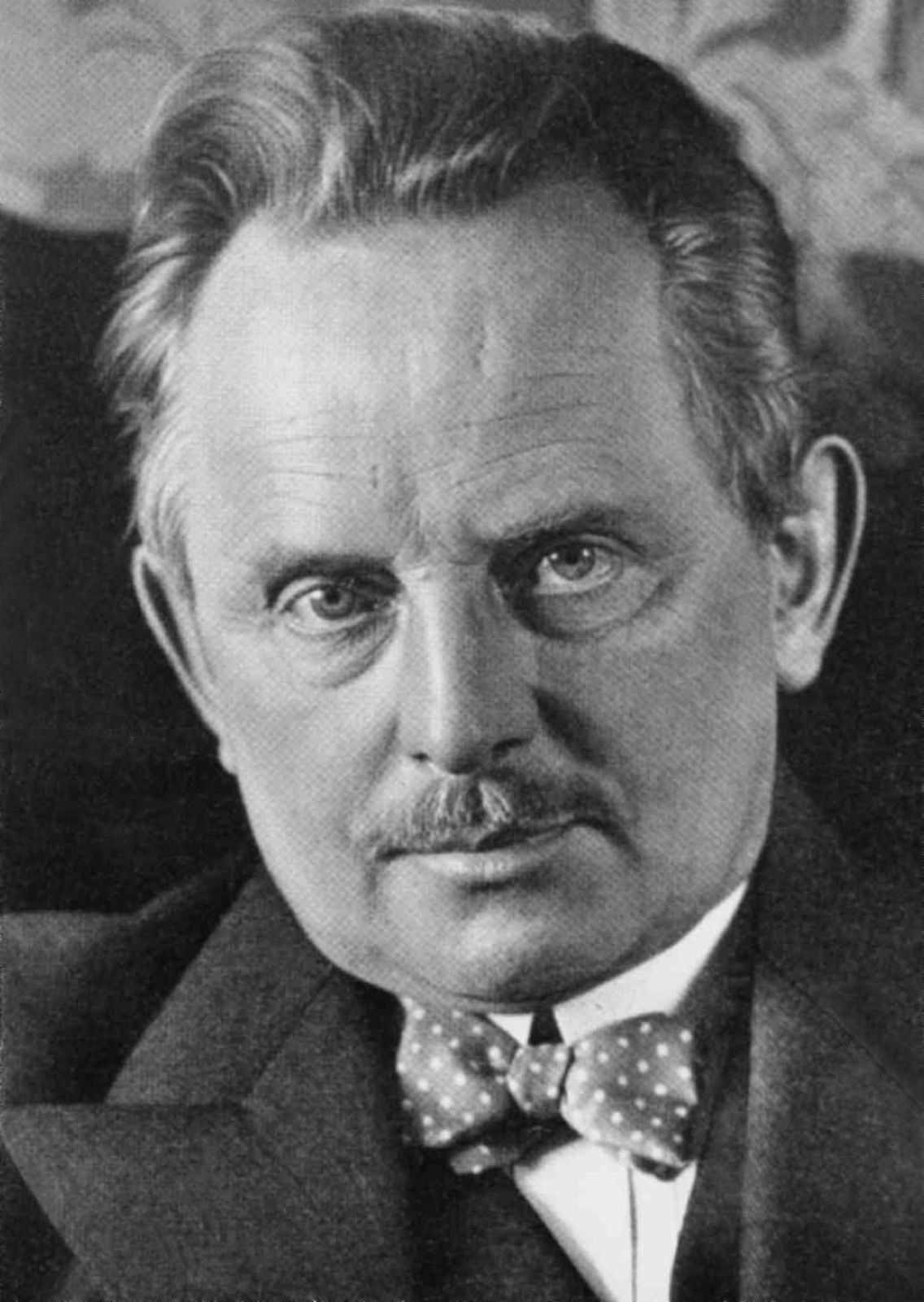
Barnack loved taking photographs in his spare time, but he had a problem. Cameras of the day were big and heavy. They used large glass plates—dry plates—and people typically set them up on a tripod. For someone as frail as Barnack, carrying all that gear through the countryside was a struggle.
Now let’s follow the story of how one engineer’s “little camera” changed the history of photography.