The Physicist Who Turned ‘Reverb’ into Numbers — Lexicon 224 and 480L
☕ A coffee-length story — about a 12-minute read. Enjoy this as a story rather than a research paper. The wide, beautiful reverb that surrounded hit records from the ’80s and ’90s came from a calculation made by a company born out of heart-monitoring equipment.
Prologue — A Little Remote on the Console
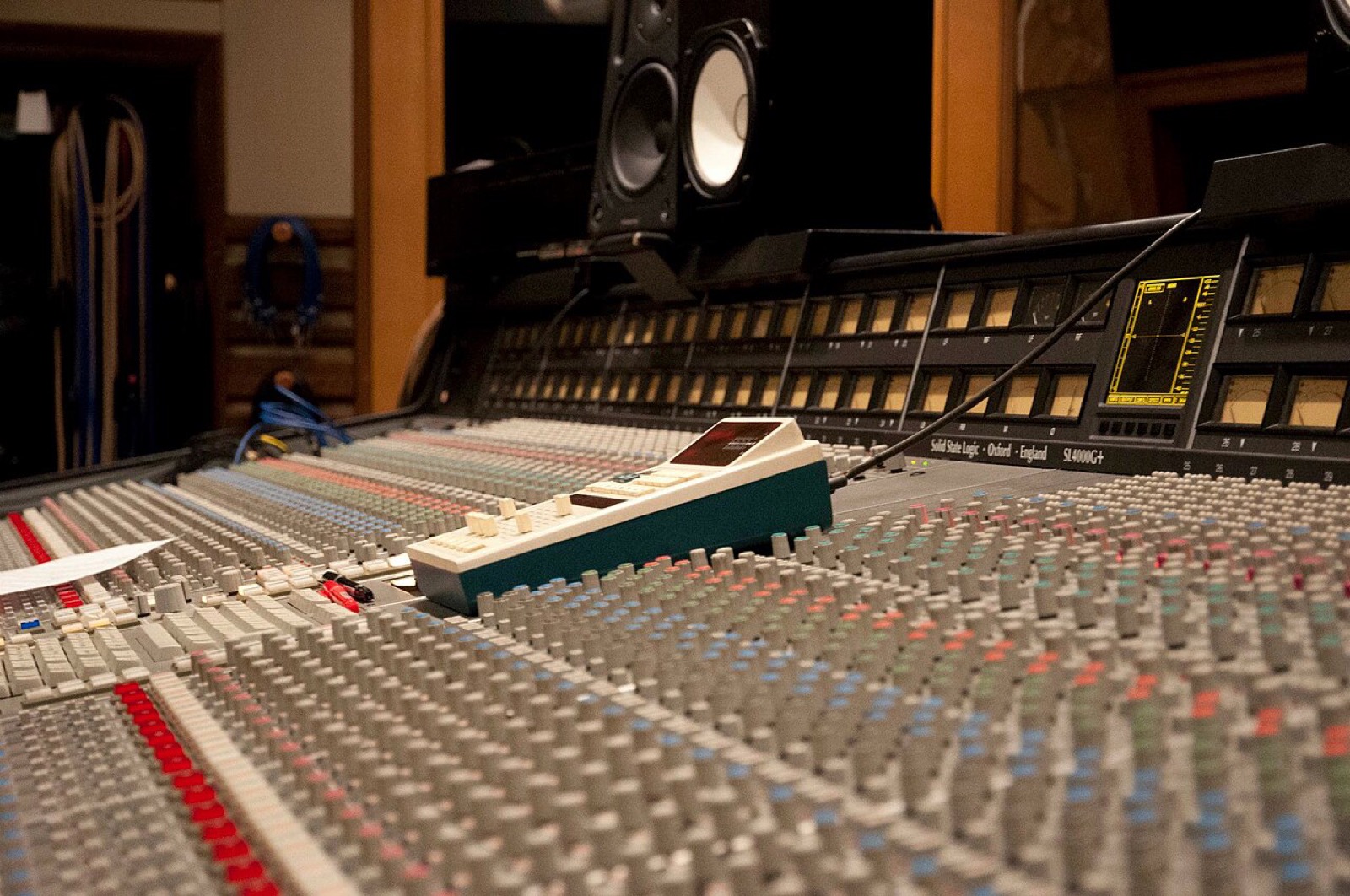
At Onkio Haus, a venerable recording studio in Tokyo’s Ginza district, a small device sits alone on top of a large recording console.
It is a pale little box with six narrow sliders and a tiny display. It looks a bit flimsy, like an oversized TV remote.
But when an engineer nudges one of those sliders, the voice coming from the speakers opens into a vast space. A singer who seemed to be in a small room suddenly sounds as if they were performing in a cathedral or concert hall.
This little box is the remote for the Lexicon 480L, a legendary machine known in studios around the world as the king of reverb.
And the person who created that sound was a physicist.
📝 About this story
This story draws on books, interviews, and manufacturers’ materials I have read over the years. I have tried to stick to the facts, though I was not there at the time, so some nicknames and commonly repeated stories may be included. I separate accounts with competing versions into a “Legend & Lore” section and list references at the end.
Chapter 1 — From the Sound of a Heart to Music
Lexicon’s story begins in an unexpected place: a hospital.
In 1969, on America’s East Coast in Massachusetts, Francis F. Lee and engineer Chuck Bagnaschi started a small company. They were building medical equipment that recorded and analyzed the activity of the heart—technology for turning cardiac signals into digital numbers.
At the time, handling sound digitally was cutting-edge work. Then they had a thought:
“If we can turn a heart’s signals into numbers, why not the sound of music?”
The First Digital Audio Gear
In 1971, Lee founded Lexicon. Its first product was the Delta T-101, a machine that delayed sound by a short interval.
It converted audio into numbers, stored them, and played them back a moment later. That may seem ordinary now, but Lexicon describes it as the first digital audio device marketed for professional use.
The delay found its way into recording studios through Gotham Audio, a New York audio equipment distributor.
Lexicon also made Varispeech, a machine that could change speaking speed without changing the pitch of a voice. You could play a recorded lecture faster without making the speaker sound shrill. It was an early speech-rate changer designed for education.
Technology that began with heart examinations was gradually making its way into sound and music.
From here, the story follows the birth of the 224, a “reverb computer” brought in by a physicist; the 480L and its little remote, which became an industry standard; and a few ways to make reverb work well.