The Two College Students Who Stopped the Tape — The Birth of Pro Tools
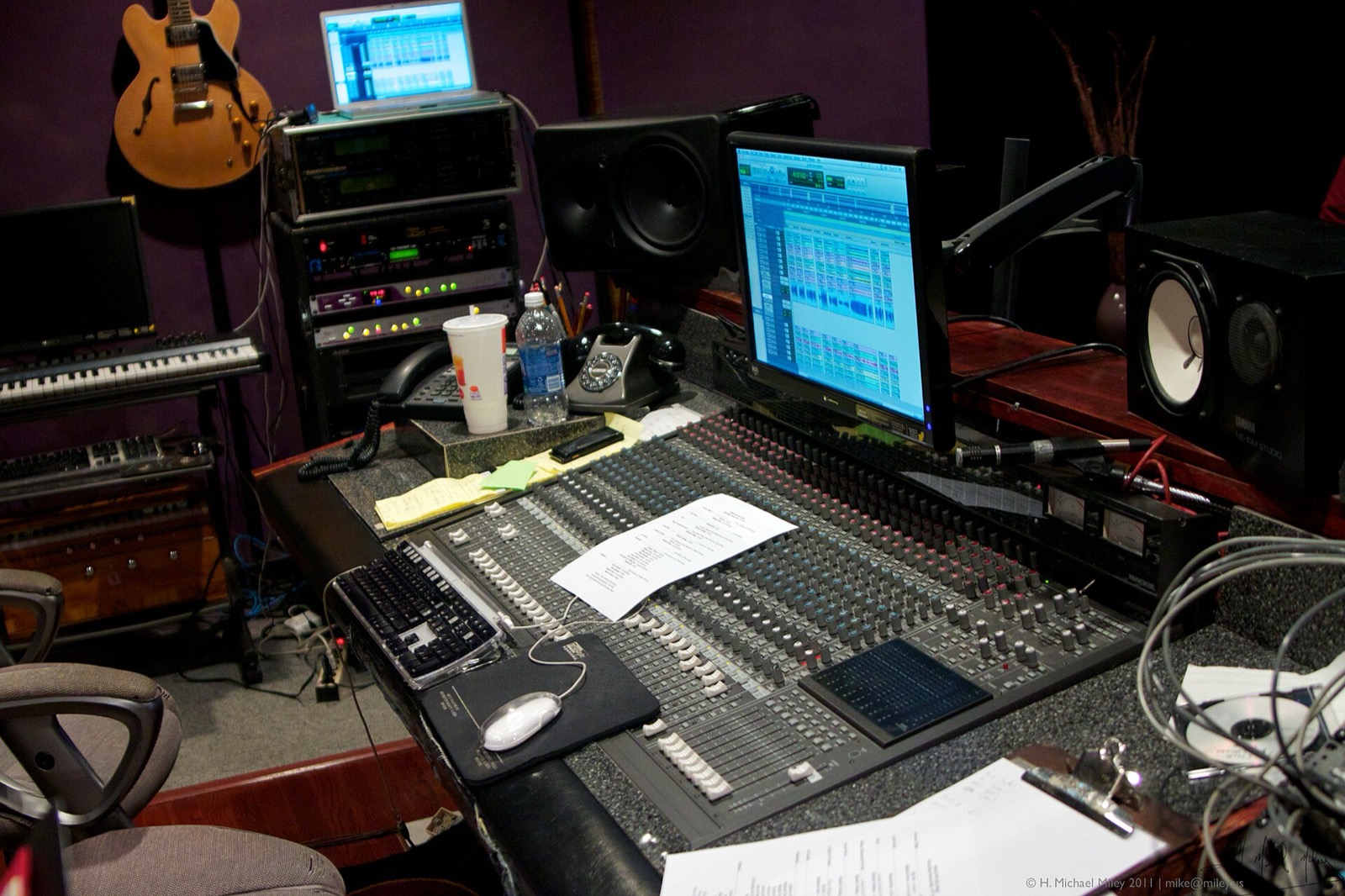
Prologue — The No. 1 Hit Without Tape
In 1999, a Latin pop song shot to the top of the American charts.
Ricky Martin’s “Livin’ la Vida Loca.” Bright horns, explosive guitars, and a fiery vocal. The song rang out on radios and in clubs around the world.
But it had one thing in common with no hit that came before it.
Recording, editing, and mixing—all of it had been done inside a computer, without using magnetic tape even once.
It is often described as the first song to reach No. 1 on the Billboard Hot 100 with its recording, editing, and mixing all completed in a single software program.
That software was Pro Tools.
Today, it is considered a studio standard around the world. But it began with a small chip for a drum machine, made by two young college graduates.
Let’s turn the clock back about 15 years. The setting is California in the early 1980s. Two young men are figuring out how to “replace” the sounds in a drum machine.
📝 About this story
This story draws on books, interviews, and manufacturers’ materials I have read over the years. I have tried to stick to documented facts, but I was not there at the time, so some nicknames and commonly repeated accounts may have slipped in. I separate disputed stories into “Legend & Lore” sections and list the references at the end.
Chapter 1 — Replacing the Sounds in a Drum Machine
Two Men from Berkeley
Evan Brooks and Peter Gotcher were recent graduates of the University of California, Berkeley.
In the early 1980s, digital drum machines were beginning to appear in music. They recorded the sound of real drums, stored it in semiconductor memory, and played it back.
“Digidrums”
The two spotted an opportunity in the E-mu Drumulator drum machine.
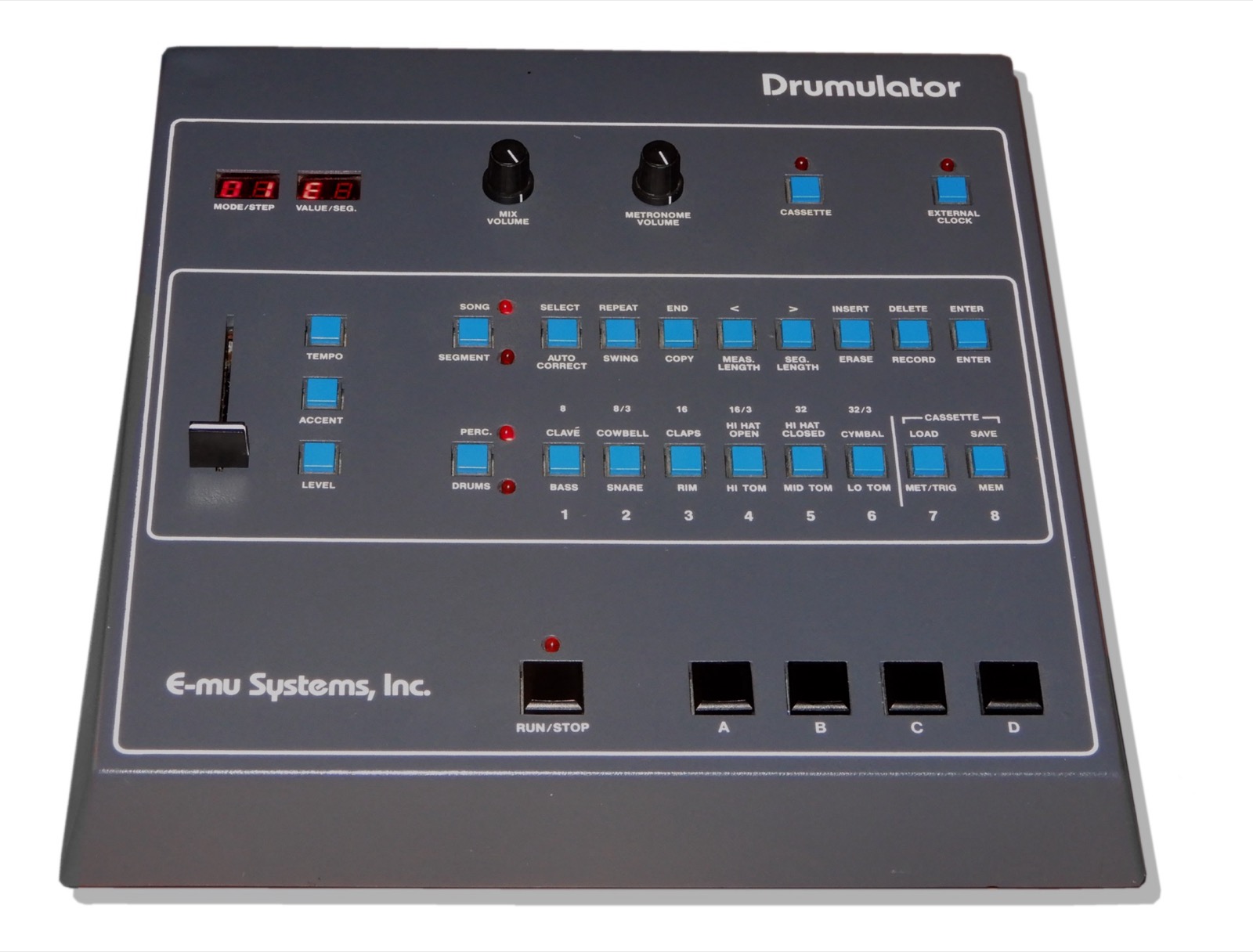
A drum machine’s sounds live on memory chips inside it. Replace those chips, and you can swap in different drum sounds. The idea was simple: instead of replacing the whole instrument, change the sound source stored inside it.
Around 1983, the pair began working under the name Digidrums. The following year, they began selling sound chips that replaced the sounds in the Drumulator.
Musicians who had grown tired of their drum machine’s sounds could get a fresh set simply by swapping chips. It was a small business, but it marked the beginning of the two men’s long relationship with digital sound.
Seeing Waveforms on a Screen
To make those chips, they had to record drum sounds, edit them, and shape them to fit in the chips.
At the time, that work was laborious. There were few tools that let you see the shape of a sound and cut or join it precisely on screen.
What if you could edit sound while looking at it on a screen?
That idea led the two to their next product.
From here, let’s follow the story of how a small chip company began to make tape disappear from the recording world.