The Man Who Built the Machine Said to Steal Drummers' Jobs: Roger Linn, the LM-1 and the MPC
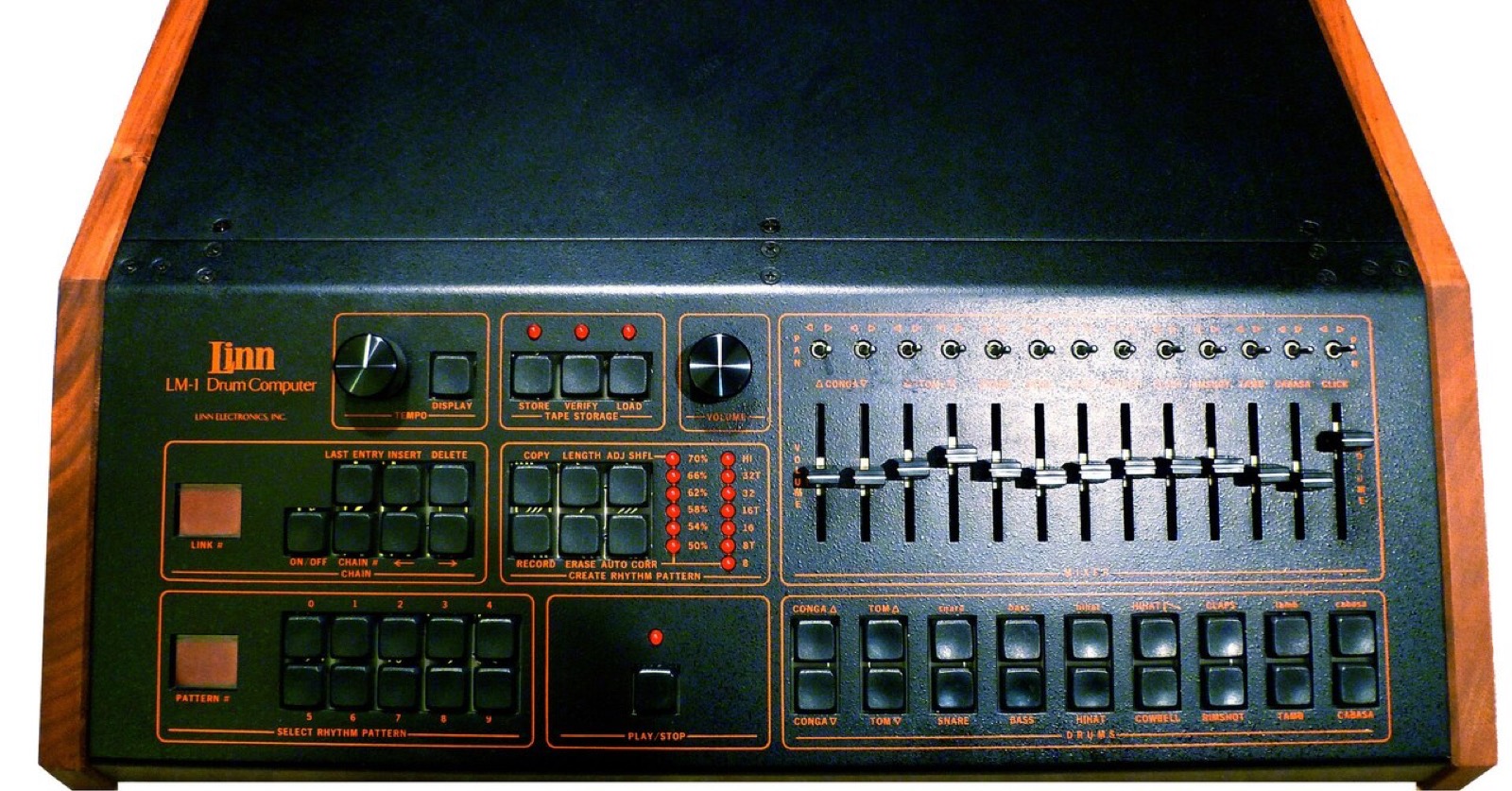
☕ A coffee-length story — about a 15-minute read. This is the tale of a young guitarist who built a rhythm machine that played real drum sounds, and who ended up creating an instrument for hip-hop as well.
Prologue — Press a Button, and Real Drums Play
Los Angeles, around 1980. In a recording studio, someone pressed a button on an unfamiliar box.
What came out of the speakers was the sound of real drums. Kick, snare, hi-hat — not an electronic "pok" or "tsst," but the drums themselves, as if struck in the room. And they kept going at a tempo that never wavered.
People's jaws dropped, so it is said.
Over the next few years this box changed the sound of pop music. Some drummers stopped getting calls from studios. It was even called "the machine that steals drummers' jobs."
Yet the man who built it was neither an engineer nor a drummer. He was a guitarist.
This is the story of that man, Roger Linn, the rhythm machines he made, and the instrument known as the "MPC."
Chapter 1 — Guitars and Computers
The broken effects pedal
Roger Linn was born in America in 1955.
As a high-school student he modified a guitar effects pedal himself. That pedal ended up being used on stage by a band — and at the show, the moment someone stepped on the switch, the sound cut out.
The first "product" of the man who would change the sound of music was a box that broke on stage.
On tour with Leon Russell
Linn started out working as a guitarist. By around 21 he was playing guitar on tour with the great American singer-songwriter Leon Russell.
He wrote songs too. "Promises," released by Eric Clapton in 1978, was co-written by Linn. For a young guitarist, it was a fine start.
Still, Linn himself has called himself an ordinary guitarist. There was something else he was hooked on.
Teaching himself to program
At 19 or 20, Linn bought one of the first small personal computers — at a time when hardly anyone even used the term.
On that computer he taught himself how to write programs and how electronic circuits worked. Making music and making machines: Linn later said that knowing both was his greatest strength.