From a Postwar Farm Shed to the World’s Ears and Voices — Sennheiser
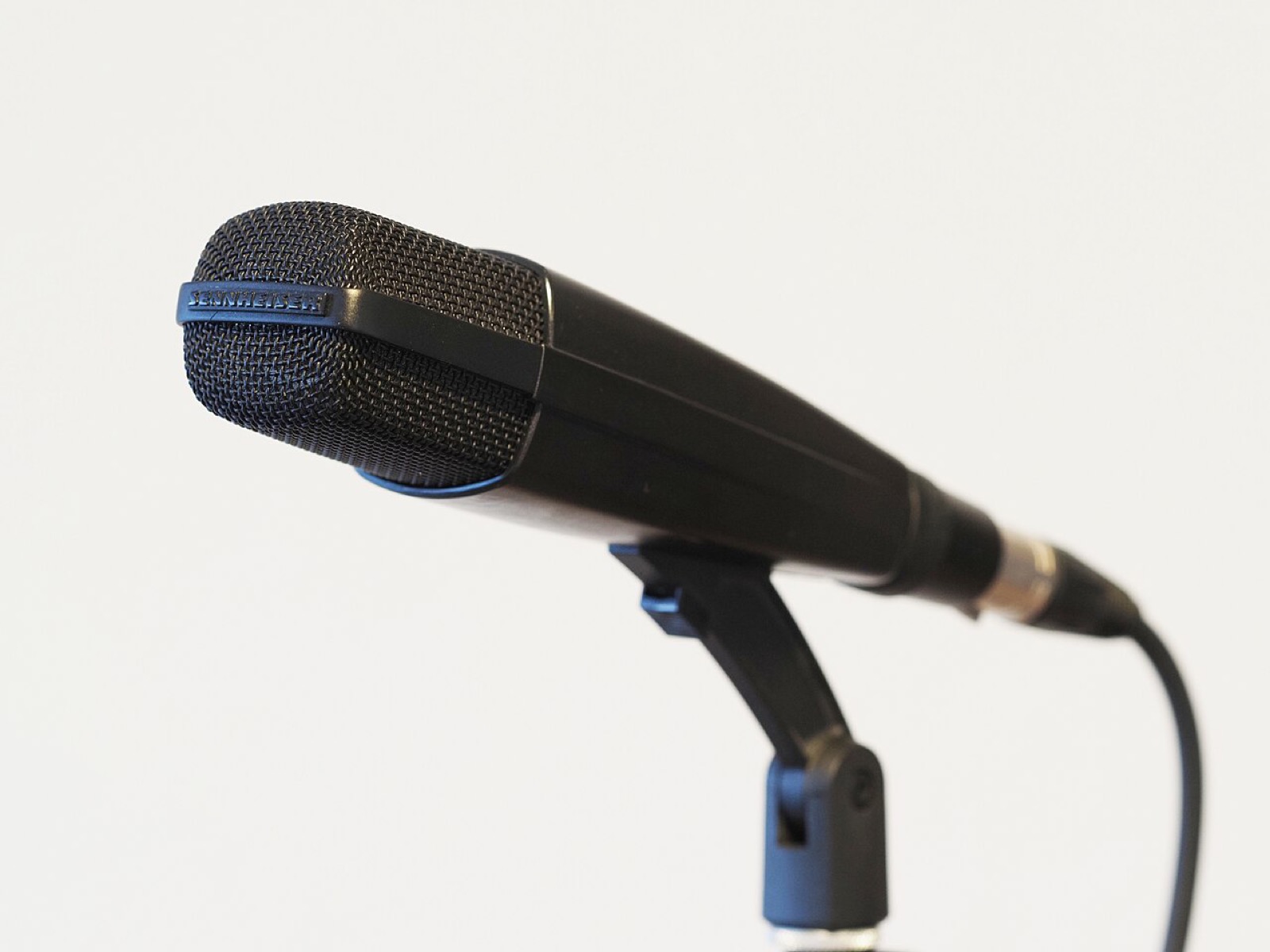
☕ A coffee-length story — about a 12-minute read. Enjoy this as a story, not a research paper.
That long, slim microphone in front of the drums. The long pole-tipped mic on a film set. The lightweight headphones with bright yellow foam pads. They all began in a small farm building in Germany, just after the war.
Prologue — 1945, a village near the ruins
In the summer of 1945, northern Germany was a country just emerging from war. Rubble was everywhere. Factories in the cities had been destroyed, and work, food, parts—almost everything—was scarce.
In the small village of Wennebostel, outside Hanover, a university professor and a handful of young people worked quietly inside a farm building.
They were making a small instrument for measuring voltage. Their first order was a modest one from a local company.
The professor was Fritz Sennheiser. From this farm workshop would come a microphone and headphone brand used on stages, in studios, and on film sets around the world.
📝 About this story
This story draws on books, interviews, and manufacturer materials I have read over the years. I have tried to stick to the facts, though I was not there at the time, and some popular names or accounts may be part of the lore. I separate disputed stories into “Legend & Lore” sections and list the sources at the end.
Chapter 1 — The professor and Labor W
An acoustics researcher
Fritz Sennheiser was born in Berlin in 1912. Interested in electricity and sound from an early age, he studied acoustics and radio-frequency technology at a Berlin research institute.
He continued his research at the Technical University of Hanover and eventually became a professor. During the war, his institute had moved to a village outside Hanover to escape the fighting.
1945: “Laboratorium Wennebostel”
In 1945, after the war ended, Sennheiser and a few colleagues and students started a small company in a farm building in the village.
They called it Laboratorium Wennebostel—“Wennebostel Laboratory,” after the village. They shortened the name to Labor W, or Lab W.
Their first product was not a microphone. It was a voltage-measuring instrument. In the chaos after the war, the first priority was to make whatever they could and survive.
The first microphone
But Sennheiser’s real passion was sound. Lab W soon began developing microphones.
Radio broadcasting resumed in postwar Germany, and people wanted music and voices. Demand for microphones was about to grow. In its small farm workshop, Lab W completed its first microphone and gradually built a reputation.
The company grew rapidly in the 1950s. In 1958, it took its founder’s name and became Sennheiser Electronic.
Now let’s turn to the legendary microphones this company created.