Rock ’n’ Roll Began with a Four-Dollar Recording — Sun Studio
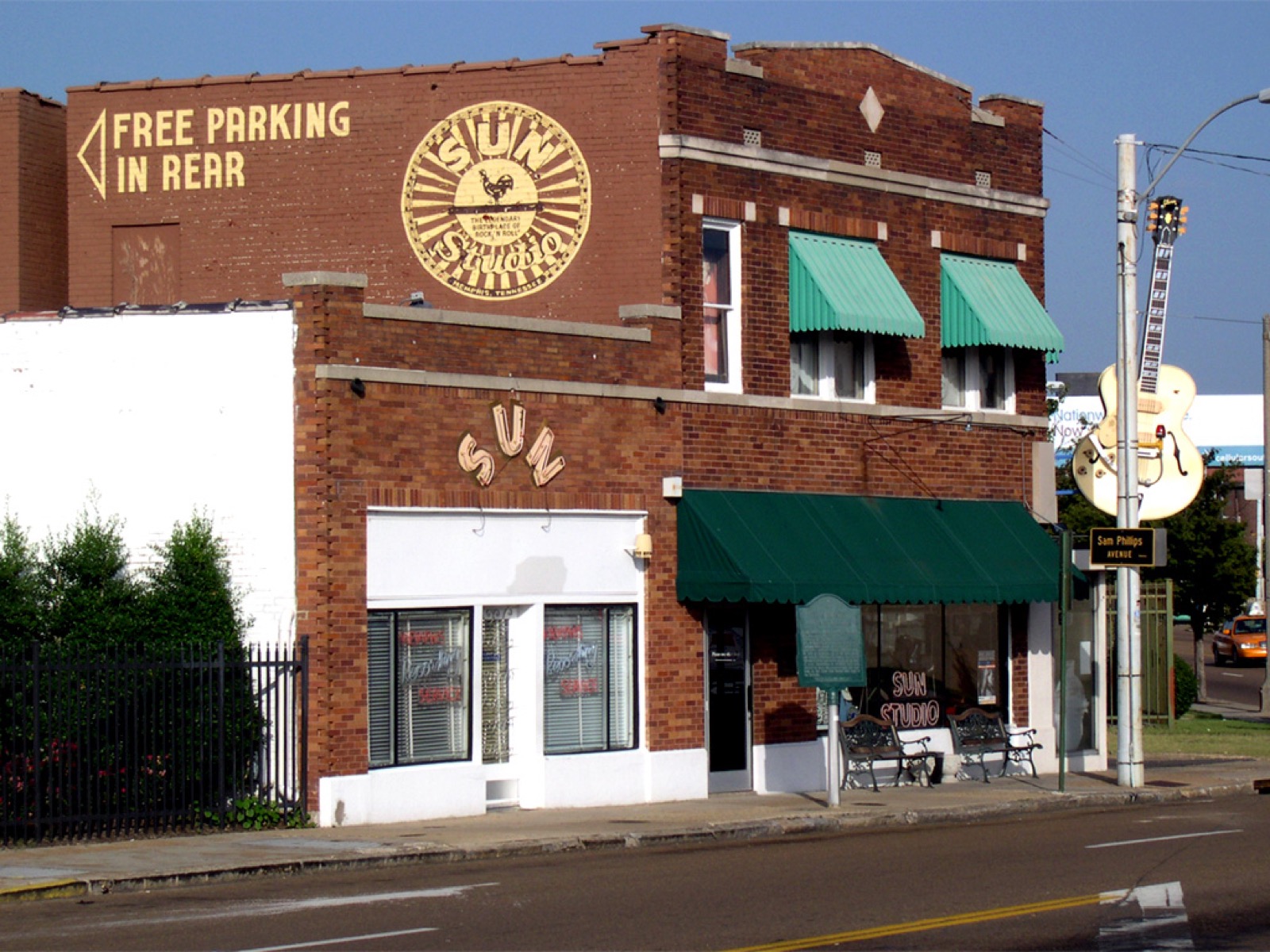
☕ A coffee-length story — about an 8-minute read. Enjoy this as a story, not a research assignment. One day, an 18-year-old truck driver walked into a little shop with a sign that said, “We record anything.”
Prologue — “We Record Anything”
In 1950, in Memphis, a city in the American South, a small recording studio opened at 706 Union Avenue.
Its name was Memphis Recording Service. Its sign made a simple promise: “We Record Anything, Anywhere, Anytime.”
Wedding speeches, funerals, radio commercials—anyone who paid could put their voice on a record. It was a little neighborhood recording shop. Pay the fee, and anyone could have their voice recorded onto a record. The studio took on all kinds of work, from family occasions to commercial jobs.
From this shop, rock ’n’ roll would eventually break out into the world.
📝 About this story
This story is based on books, interviews, and manufacturers’ materials I have read over many years. I have tried to stick to the facts, but I was not there, so some popular names and widely repeated stories may be mixed in. Sources are listed at the end.
Chapter 1 — Sam Phillips’s Dream
A Radio Engineer
The man who opened the shop was Sam Phillips. Born in Alabama, he had worked as a radio engineer and announcer.
Phillips had a dream. Memphis had many Black musicians singing the blues, but there were few places where they could record their music.
“I want to preserve the sound these people make.” The little recording shop was a place for that, too. He wanted the music of those performers to be heard and remembered, even when the rest of the industry had little room for them.
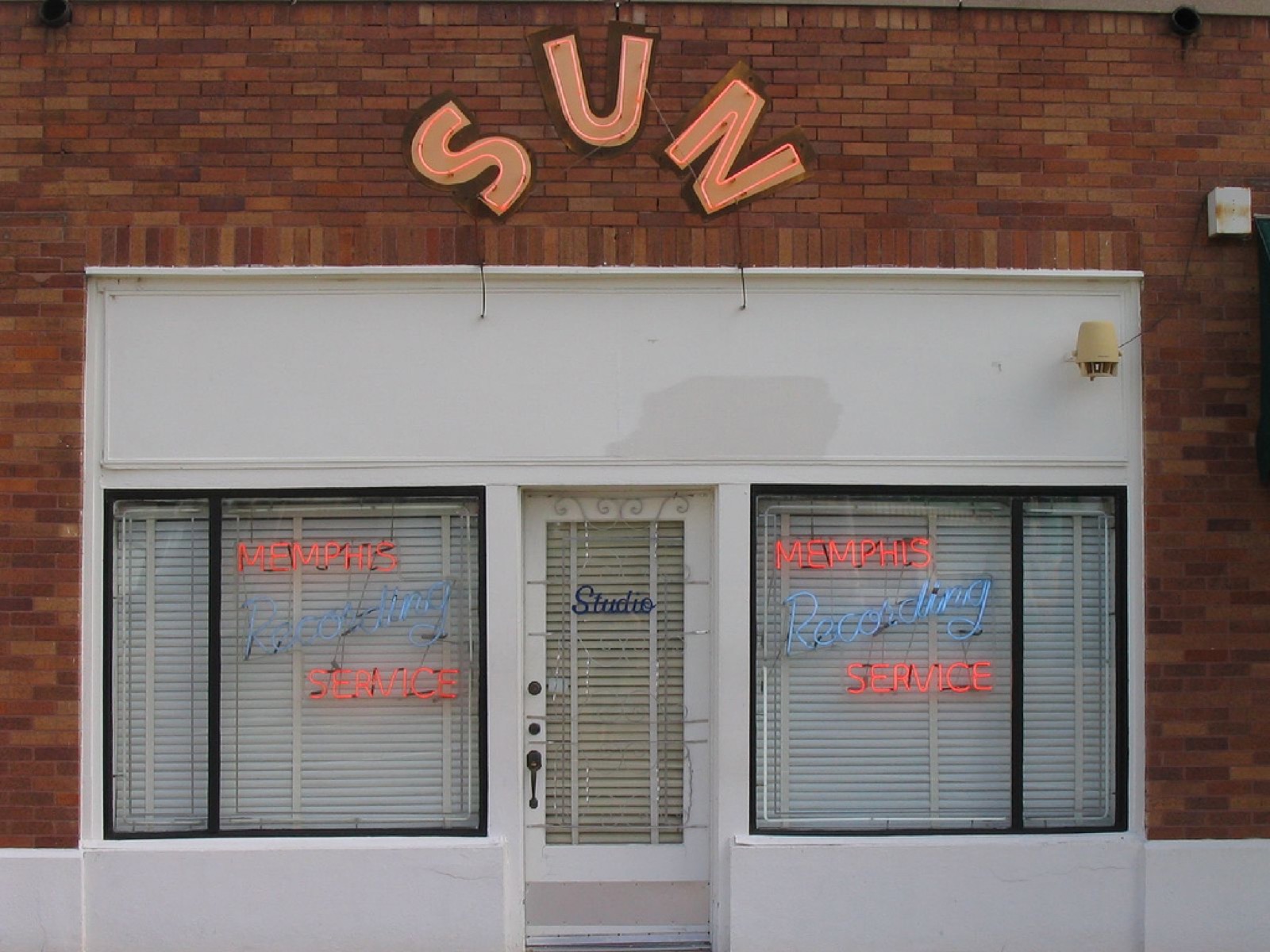
1951: “Rocket 88”
In 1951, a song was recorded at the studio: “Rocket 88,” by Jackie Brenston and his band. The band was led by a young Ike Turner, later known for his work with Tina Turner.
The song would come to be called one of the first rock ’n’ roll records.
The story goes that, on the way to the session, the guitar amp fell out of the car and broke. Someone stuffed paper into the speaker as a quick fix, making the sound crackle and distort. Phillips liked the rough sound and recorded it that way. It is often told as one of the early moments in the history of distorted guitar.
Chapter 2 — An 18-Year-Old Truck Driver
Summer 1953
In the summer of 1953, a young man walked through the door of Memphis Recording Service.
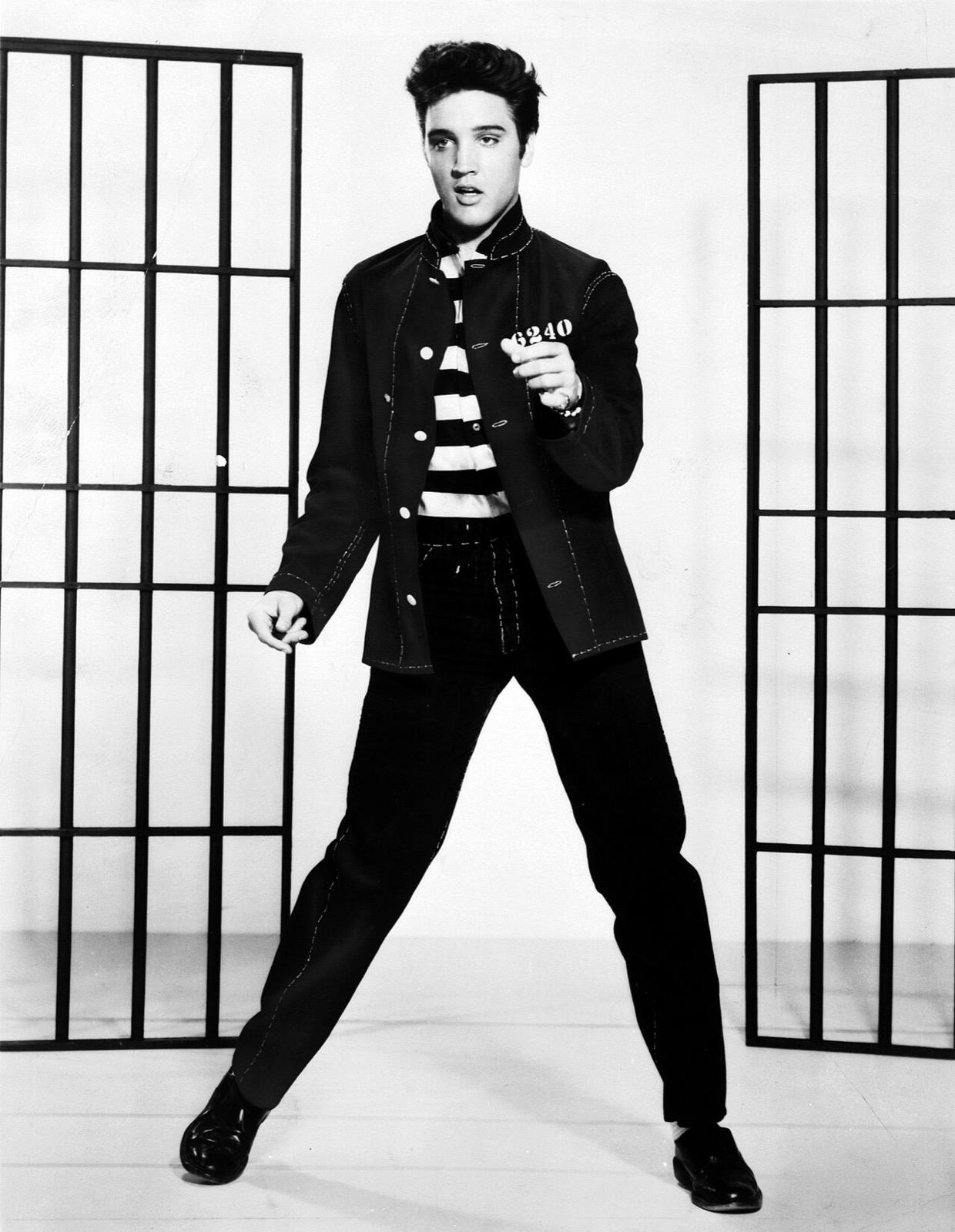
He was Elvis Presley, an 18-year-old driving a truck for an electric company. He paid about four dollars to record two songs for himself.
The woman at the front desk reportedly asked, “Who do you sound like?” Elvis is said to have answered: “I don’t sound like nobody.”
1954: A Song During a Break
A year later, in July 1954, Phillips tried recording Elvis with guitarist Scotty Moore and bassist Bill Black.
Things were not going well. During a break, Elvis started joking around, singing the old blues song “That’s All Right” at a faster tempo. The other two joined in, having fun.
Phillips heard them and said at once: “That’s it. Do that again.”
When the song played on Memphis radio, the phones reportedly would not stop ringing. Black blues and white country had come together in a completely new sound. Rock ’n’ roll had begun moving out into the world.
Adding “Echo” to a Voice
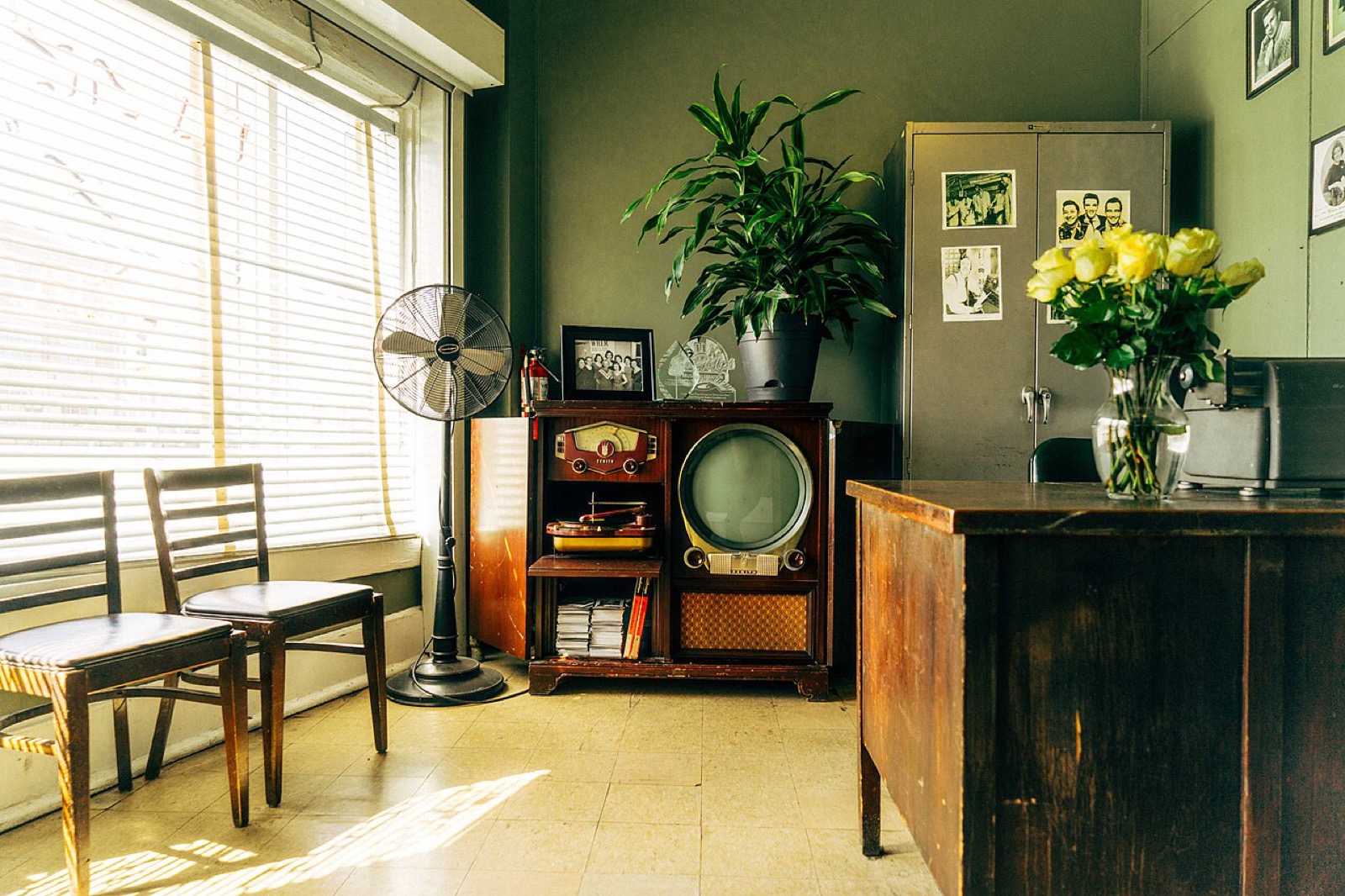
One of the sounds that defined Sun Studio was slapback echo. Using two tape recorders, they layered in a voice delayed by just a little, creating a short, bouncing “ah, ah” sound. It was a way to bring the excitement of a big venue into a small room.
That bouncing vocal would later become a hallmark of rockabilly.
Chapter 3 — The Stars Who Left the Nest
For $35,000
Elvis’s popularity spread across the country in no time. In 1955, Phillips sold Elvis’s contract to the major label RCA for $35,000, an enormous sum at the time.
People would ask for years why he let Elvis go. Phillips is said to have wanted to use the money to develop other young talent.
The Million Dollar Quartet
More stars emerged from Sun Studio after Elvis:
- Johnny Cash
- Carl Perkins (“Blue Suede Shoes”)
- Jerry Lee Lewis
- Roy Orbison
One day in December 1956, Elvis, Carl Perkins, Jerry Lee Lewis, and Johnny Cash happened to be at the studio together and started an impromptu session. The recording later became known as the Million Dollar Quartet.
Chapter 4 — A Studio That Still Records
In the 1960s, Sam Phillips moved to a new studio, and the building on Union Avenue was put to other uses for a time.
But in the late 1980s, the building came back to life as Sun Studio. By day, it became a place for tour groups; by night, it remained a working recording studio. Around 1987, U2 recorded there.
In 2003, the site was designated a National Historic Landmark. That same year, Sam Phillips died at the age of 80.
Epilogue — A Voice Like Nobody Else
“I don’t sound like nobody.”
That 18-year-old truck driver may have been half right and half wrong.
His voice carried the Black blues of Memphis, white country, and church gospel—all mixed together. And someone heard that one-of-a-kind blend and knew: “That’s it.”
Rock ’n’ roll began not with a guitar or a voice, but in a little shop with a sign that said, “We Record Anything.”
Sun Studio Timeline
- 1950 — Sam Phillips opens Memphis Recording Service
- 1951 — “Rocket 88” is recorded
- 1952 — Sun Records is founded
- 1953 — Elvis Presley pays to record two songs
- 1954 — “That’s All Right” is recorded in July
- 1955 — Elvis’s contract is sold to RCA
- 1956 — The Million Dollar Quartet session
- Late 1980s — Reopens as Sun Studio
- 2003 — Designated a National Historic Landmark; Sam Phillips dies
References
- Wikipedia: “Sun Studio,” “Sam Phillips,” “Rocket 88,” “That’s All Right,” and “Million Dollar Quartet” (English editions)
- Peter Guralnick, Sam Phillips: The Man Who Invented Rock ’n’ Roll (2015)
- Official Sun Studio website
Photo credits
- Header image, “Sun Studio, Memphis” — David Jones / Wikimedia Commons / CC BY 2.0
- “Sun Studio, Memphis Recording Service” — jglazer75 / Wikimedia Commons / CC BY 2.0
- “A visit to Sun Studios” — Joshua Ness / Unsplash / Wikimedia Commons / CC0
- “Elvis Presley promoting Jailhouse Rock” — Metro-Goldwyn-Mayer / Wikimedia Commons / Public domain
Licenses:
CC BY 2.0 https://creativecommons.org/licenses/by/2.0/
CC0 https://creativecommons.org/publicdomain/zero/1.0/