The Drum Machine That Flopped Before Its Beats Took Over the World — Roland TR-808
Prologue — A Shelf in a Used Music Store, 1983
- Somewhere in America, inside a used music store.
A flat, silver-and-black machine sits in the corner of a shelf.
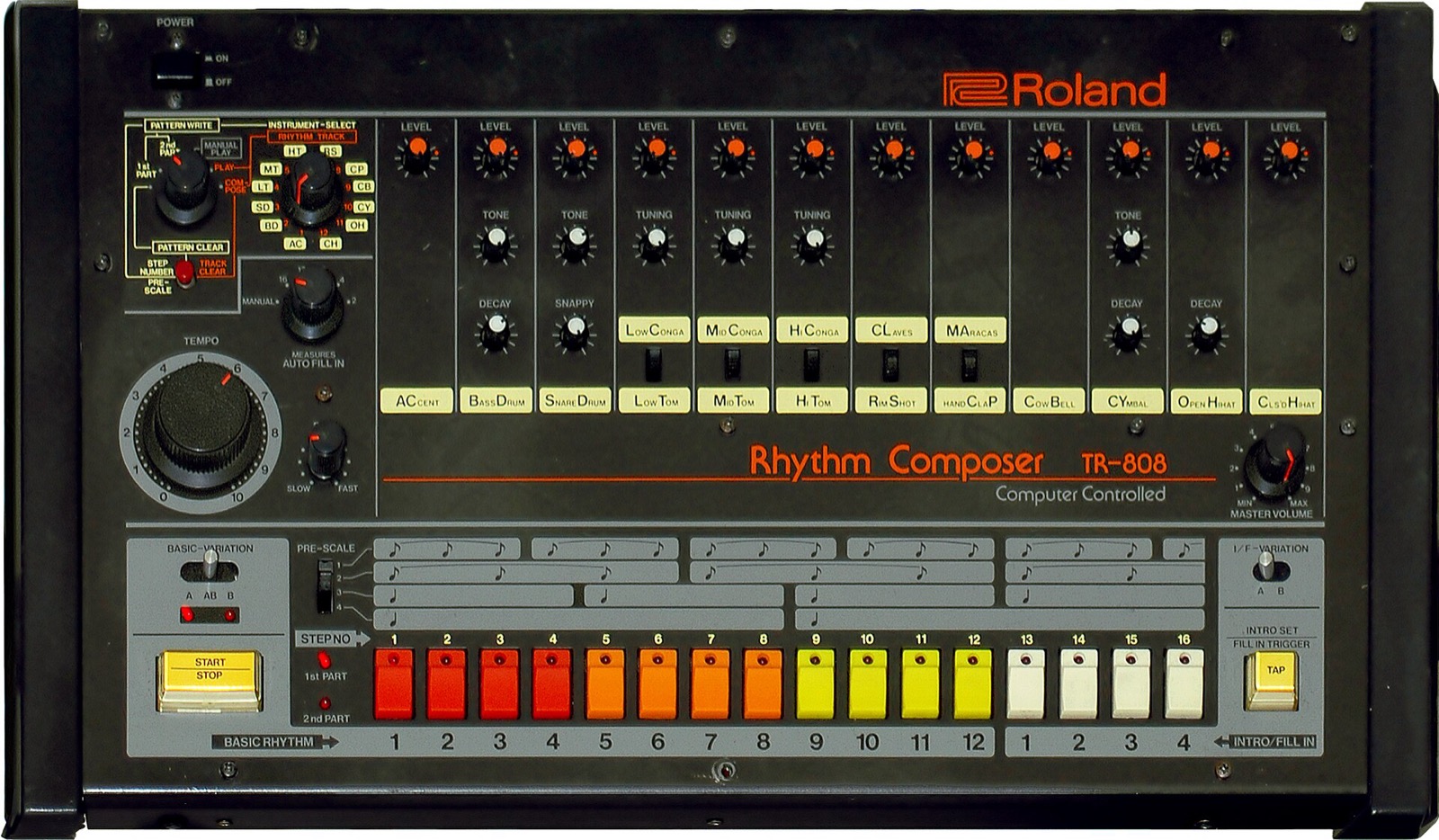
Sixteen colorful square buttons—red, orange, yellow, and white—line its face. On the case are the name of a Japanese manufacturer and three digits.
Roland TR-808.
It had cost $1,195 when it came out three years earlier. Now it sits unnoticed, tagged at less than $100.
“It doesn’t sound like a real drum.”
“It sounds like a toy.”
Professional musicians had written the drum machine off. The manufacturer would stop making it before the year was out.
But the young people who picked up these “leftovers” would go on to reshape music around the world: hip-hop, electro, techno, house, and trap four decades later. The machine’s sound still pulses beneath the low end of hit records everywhere.
Let’s turn the clock back further. Our story begins in postwar Japan, where a boy who had lost his parents is repairing watches.
📝 About this story
I’ve shaped this account from years of reading books, interviews, and manufacturer materials. I’ve aimed to stick to the facts, but I wasn’t there, so some nicknames and commonly repeated stories may have made their way in. I separate disputed stories into “Legend & Lore” sections and list the sources at the end.
The Behringer clone is also covered in a separate story about Behringer.
Chapter 1 — The Watchmaker’s Boy
Osaka, 1930
Ikutaro Kakehashi was born in Osaka on February 7, 1930. He would later found Roland and change the history of electronic instruments around the world.
His childhood was difficult. His parents died of tuberculosis when he was young, and his grandparents raised him.
War and the Radio
During World War II, Ikutaro worked at a shipyard in Osaka. Air raids destroyed his home.
In those years, the young boy became fascinated by the radio. Voices and music came from a small box. He wanted to understand how it worked.
A Watchmaker at Sixteen
In 1946, the year after the war ended, Ikutaro gave up on college because of his health and moved to Kyushu.
In 1947, at just 16, he opened his own watch-repair shop.
As he repaired watches, customers began asking, “Could you fix my radio, too?” In postwar Japan, radio was one of people’s most important forms of entertainment. Before long, the watchmaker was repairing radios as well.
Tuberculosis and a New Medicine
Food was scarce, and Ikutaro contracted tuberculosis, the same disease that had taken his parents.
He spent several years in a sanatorium. There he became one of the patients treated with streptomycin, a then-new antibiotic. The drug saved his life.
Discovering the Electronic Organ
In 1954, recovered, Ikutaro opened an electrical shop called Kakehashi Radio. In the 1950s, his interests shifted from radios to electronic organs.
He repaired, prototyped, and improved organs. In 1959, he built an instrument of his own design, intended to be playable even by people who could not read music.
“I want to make instruments that let people enjoy music even if they aren’t music professionals.” That idea would carry straight into his later rhythm machines.
Ace Tone, 1960
In 1960, Ikutaro founded Ace Electronics Industries, whose brand was Ace Tone.
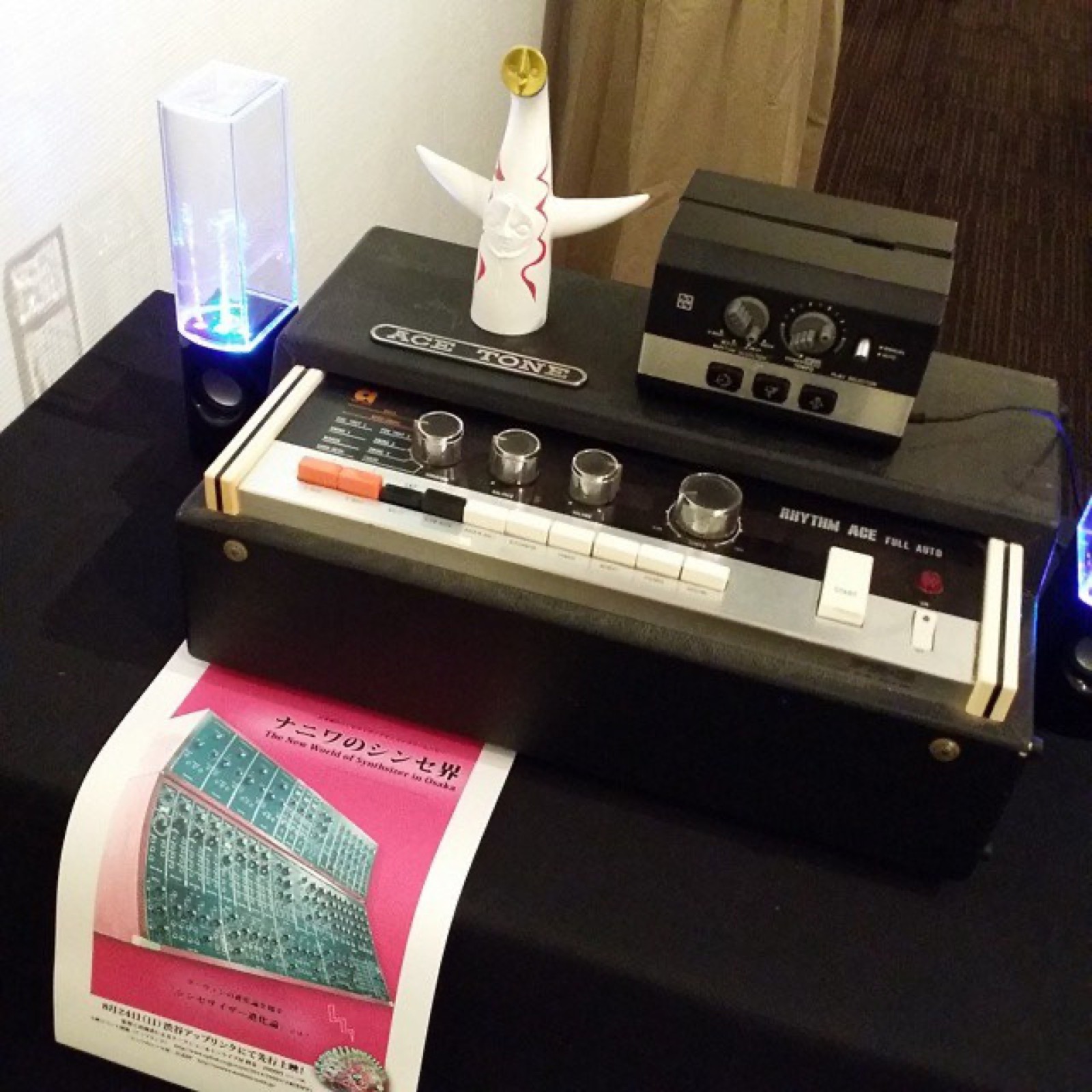
In 1964, the company developed the Rhythm Ace R1, an electronic rhythm instrument built entirely with transistors. In 1967, it patented a device that automatically played preset rhythms; the device later went on sale as the Rhythm Ace FR-1. From the late 1960s on, the FR-1 found its way into music in Japan and abroad.
Later, disagreements over business direction would push Ace Tone out of Ikutaro’s hands.
“I’ll start my own company again.”
Now let’s follow the story from the birth of Roland to the legendary drum machine.