[Motorcycle History] Italy's Wheels, Built by a Bomber Maker — Vespa and Piaggio
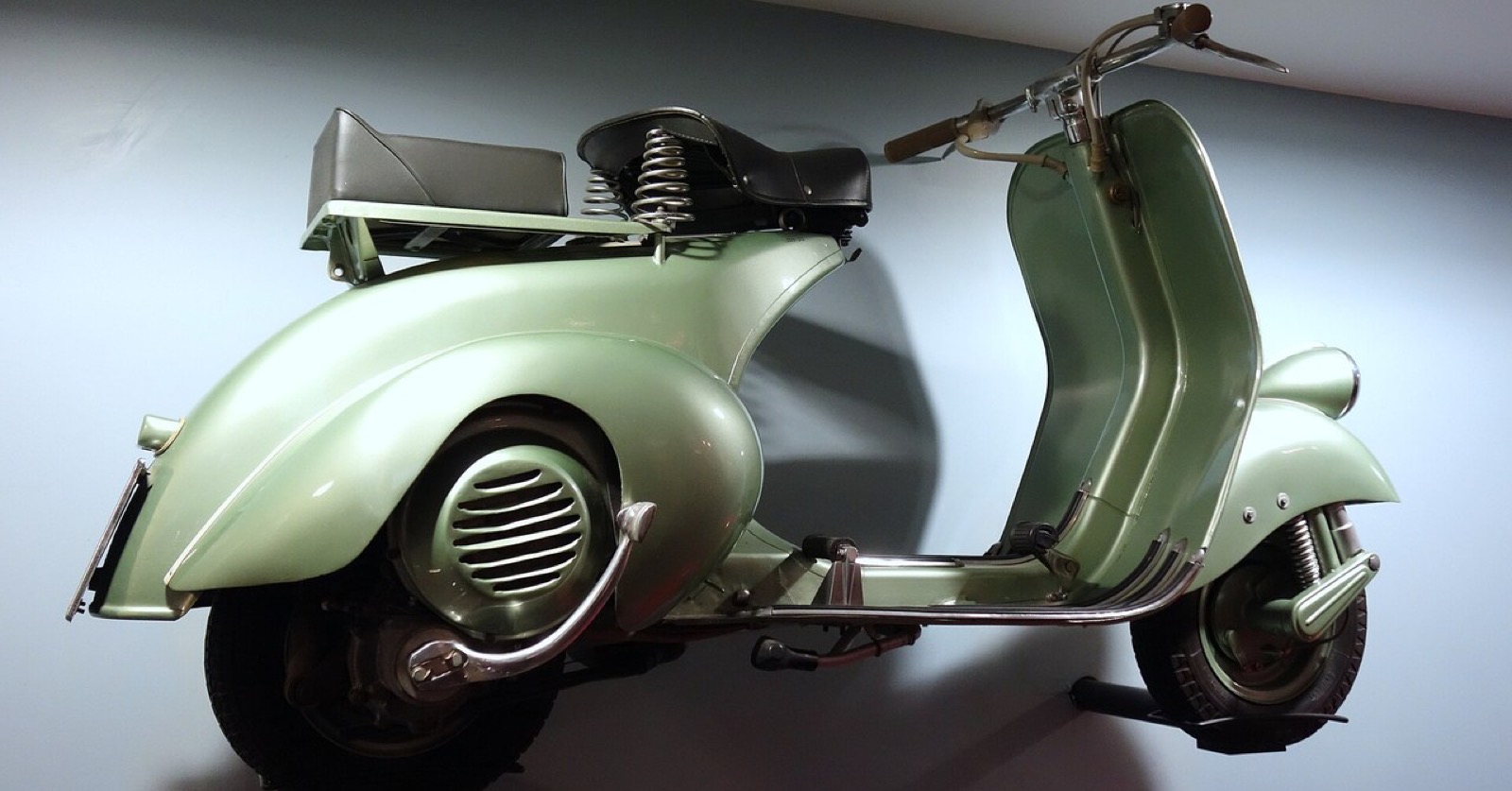
☕ A coffee-length story from GC Lab's "Motorcycle History" series, where we follow machines through the people and events behind them. This time: how a company that built bombers sent a small scooter out of its bombed-out factory, and how that scooter became the everyday wheels of Italy, and then of the world.
💡 What you'll learn
- Why Piaggio, a company of ships, trains and aircraft, decided to build a scooter
- How an aeronautical engineer who disliked motorcycles settled the shape of the Vespa
- Why Roman Holiday and the Mods turned the Vespa into a worldwide symbol
Prologue
Spring 1946, a golf club in Rome. On the grass stood a vehicle nobody had seen before.
The wheels were small, and there was no engine anywhere in sight. At the front, a steel panel hid the rider's legs completely, and instead of straddling it, you sat on it as if on a chair. Too round for a motorcycle, too serious for a toy. The story goes that the faces in the crowd showed curiosity, surprise and a little doubt.
On the front of the leg shield was a brand-new company emblem. Until then, the company had used a badge that stood for aircraft. Only a few years earlier, it had been building bombers and aircraft engines.
The vehicle was called the Vespa, Italian for "wasp." The company that built it was Piaggio.
Why would an aircraft company that had lost its factory in the war build a little scooter? And why did that little vehicle become a famous movie scene, a banner for a youth movement, and something still running through city streets eighty years later? This is the story of how the wasp was born and flew out into the world.
Chapter 1 — Ships, railways, and a company that took to the sky
Piaggio's story begins about sixty years before the Vespa, in 1884.
In Sestri Ponente, just west of the port city of Genoa, twenty-year-old Rinaldo Piaggio started a company. Its starting point was land his father had bought for a timber yard. The business began with woodwork, moved on to fitting out the interiors of grand passenger ships, and then built locomotives and railway carriages. Shaping wood, assembling metal, finishing large vehicles: Piaggio grew into a company that understood both the inside and the shell of a vehicle.
The turning point came near the end of World War I, in 1917. Rinaldo moved into military production, building fast anti-submarine motorboats, aeroplanes and seaplanes. At first the company built other firms' designs under licence. But the skills honed on ships and trains quickly proved themselves in the air too.
In the 1920s, Piaggio set up a factory in Pontedera, in Tuscany. This was the place that would later become the Vespa's hometown. The company began designing its own aircraft engines and airframes, and between 1937 and 1939 it set no fewer than 21 world records with aircraft and engines built in Pontedera. All that know-how came together in the P.108, a large four-engine bomber.
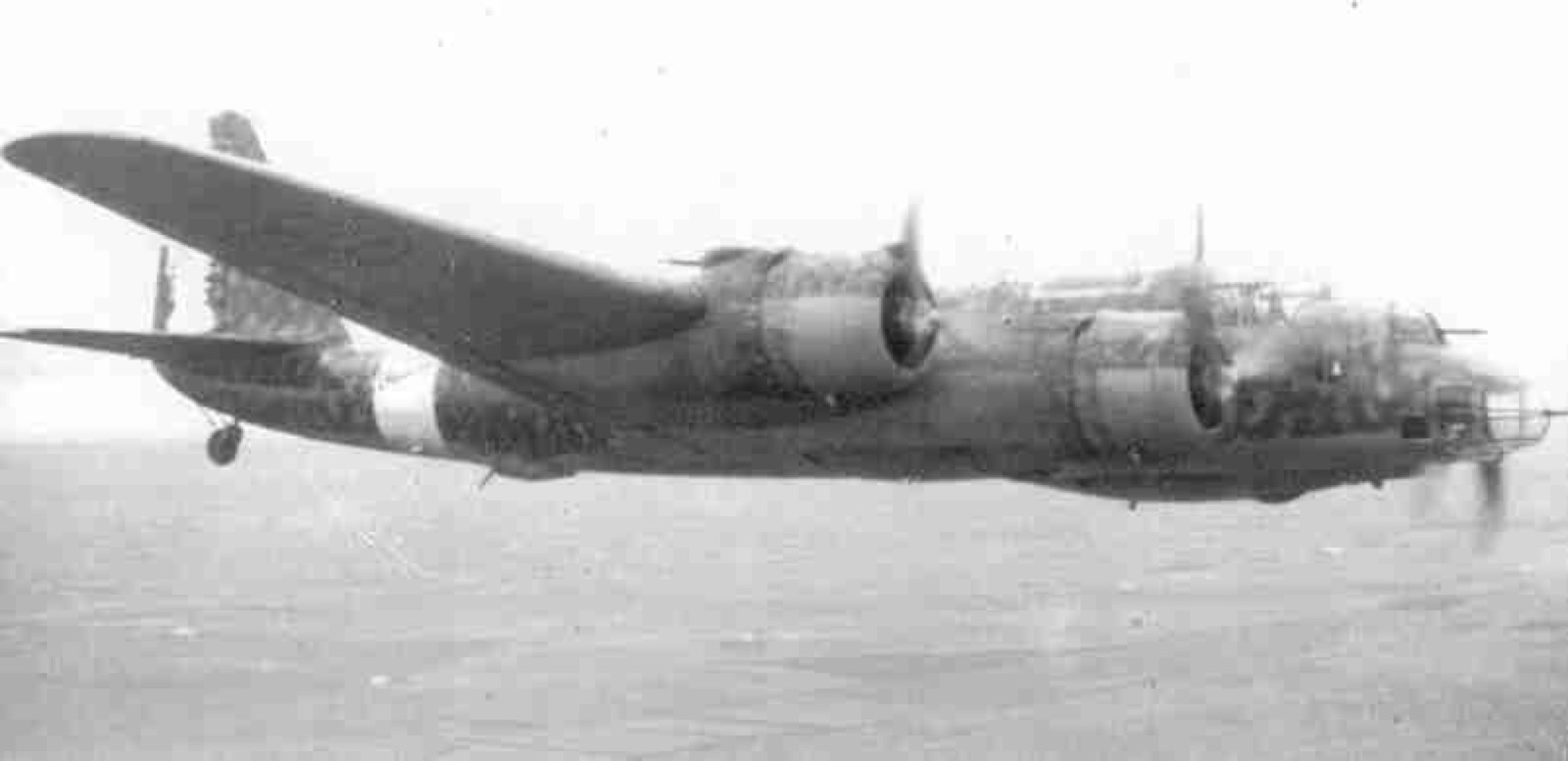
In 1938, founder Rinaldo died. The company passed to his two sons, Enrico and Armando. By around 1940, Piaggio had become a giant that built trains, ship equipment, aircraft engines, aircraft, trucks, trams, buses, funiculars, and even aluminium windows and doors.
From ships, through railways, to the sky. After half a century of getting this far, nobody yet imagined that the company's next product would be a small vehicle on two little wheels.