A Dreadnought Made in Japan — 60 Years of Yamaha FG and the FG7 R
💡 What you'll learn
- The story of the Yamaha FG, from the 1966 FG-180 onward
- What the “Red Label” and the folk boom of the 1970s left behind
- How to choose from today's FG / FS lineup, and what the Japan-made FG7 R offers
A model that stays in production for decades carries the music of each era, along with the refinements its makers have added over time.
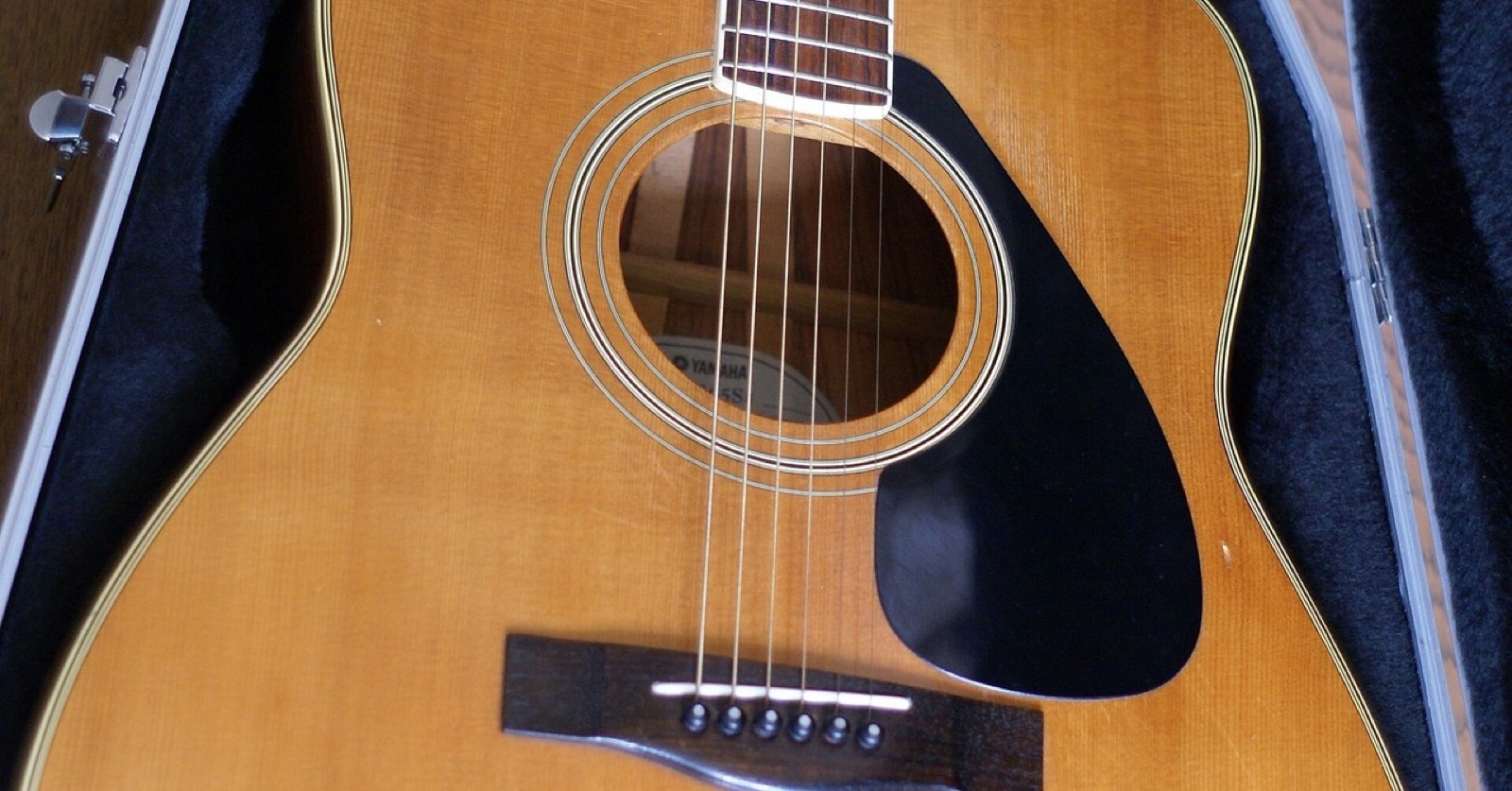
Yamaha's FG series began with a Japanese-made folk guitar introduced in 1966. The name now covers a wide range, from familiar standard models often chosen as first guitars to premium instruments made in Japan.
The latest milestone is the FG7 R, a new dreadnought. Let's trace the FG's history and see what you can choose from today's lineup.
1966: A starting point for Japanese-made folk guitars
Yamaha released the FG-180 in 1966. Yamaha's official materials describe it as the company's first folk guitar and the first folk guitar manufactured in Japan. The FG-150 arrived that same year, marking the start of Yamaha's full-scale guitar business.
At the time, folk music from overseas was gaining a wide audience in Japan, and more people were picking up acoustic guitars. Rather than relying only on imports, makers began designing instruments at home and drawing on Japan's woodworking skills. The FG-180 stood out as a domestically made option in that movement.
The FG-180's appearance also reflects Yamaha's attention to design. Its headstock evokes the shape of a “Y,” and its pickguard extends close to the sound hole. These details became enduring cues for recognizing later FGs.
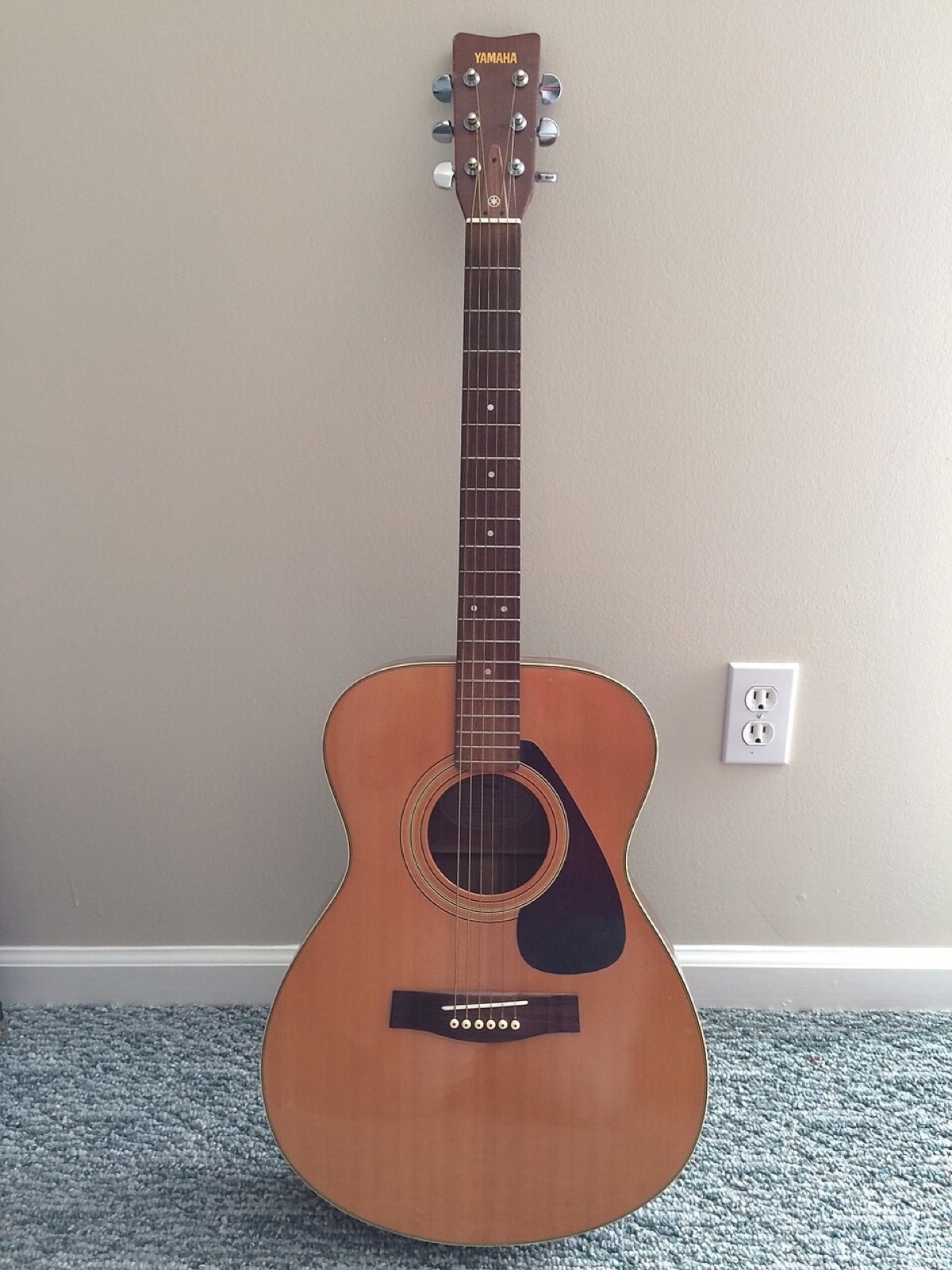
Early FG-180s are known as “Red Labels.” The FG-180 did not, however, carry a red label throughout its entire production run. According to Yamaha's exhibit materials, a red label inside the sound hole was used from around 1968 to around 1972. Models from that period came to be called Red Labels.
The nickname also calls to mind how widely the FG-180 became known and how long players kept playing it. In a later interview with a developer, Yamaha also described how the original team tested finished guitars in high humidity, dry conditions, and low temperatures to see whether they would warp. That focus on durability is an essential part of the series' story.
The folk boom and affordable Japanese guitars that could sing
In the 1970s, folk music spread even further among young people. The guitar became a familiar instrument for singing along and playing with friends. As more people began learning, demand grew for Japanese-made models that were accessible and sounded good.
The FG series met that demand. Its range included guitars within reach of beginners, while also attracting players who wanted reassuring build quality and a strong voice. The FG name became associated with an affordable Japanese acoustic that could really project.
“Sounds good” means more than sheer volume here. It also means chords come together and support a singing voice. The classic FG dreadnought shape can produce plenty of volume from its large body and works especially well for strumming.
Of course, specifications vary by model and year. The wood, body shape, and finish were not uniform across the range. If you are considering a used Red Label, check more than its production date: inspect the neck, action, and bridge area on that particular guitar. An instrument that has been played for years will have its own repair history and signs of age.
Yamaha's timeline also records the FG1500, FG2000, and FG2500 in 1971, as well as the pickup-equipped FG350E in 1972. The FG was never just a beginner series; it grew to cover a broad range of prices and uses. Accessible models brought more players in, while premium models showed what the technology and materials could do. Both sides helped keep the FG name alive.
Bringing the FG's roots into the present
The FG-180's design and ideas carried into later models. In 2016, Yamaha introduced the FG180-50TH to mark the series' 50th anniversary. It brought together period-inspired details and modern woodworking and design; it was not simply a reissue.
The FG / FS Red Label series followed in 2019. It carried the Red Label look into the present, with some models featuring A.R.E. treatment, scalloped bracing, and Atmosfeel pickups. These guitars are more than a nostalgic design: they also include refinements for modern performance and recording.
The flagship FG9 arrived in 2023, followed by the FS9 in 2024. The FG9 has a dreadnought body, while the FS9 is a smaller concert shape. These premium Japanese-made models emphasize their materials and construction, showing that the FG / FS lineage stretches from beginner instruments to high-end guitars.
A Japanese-made dreadnought: the FG7 R
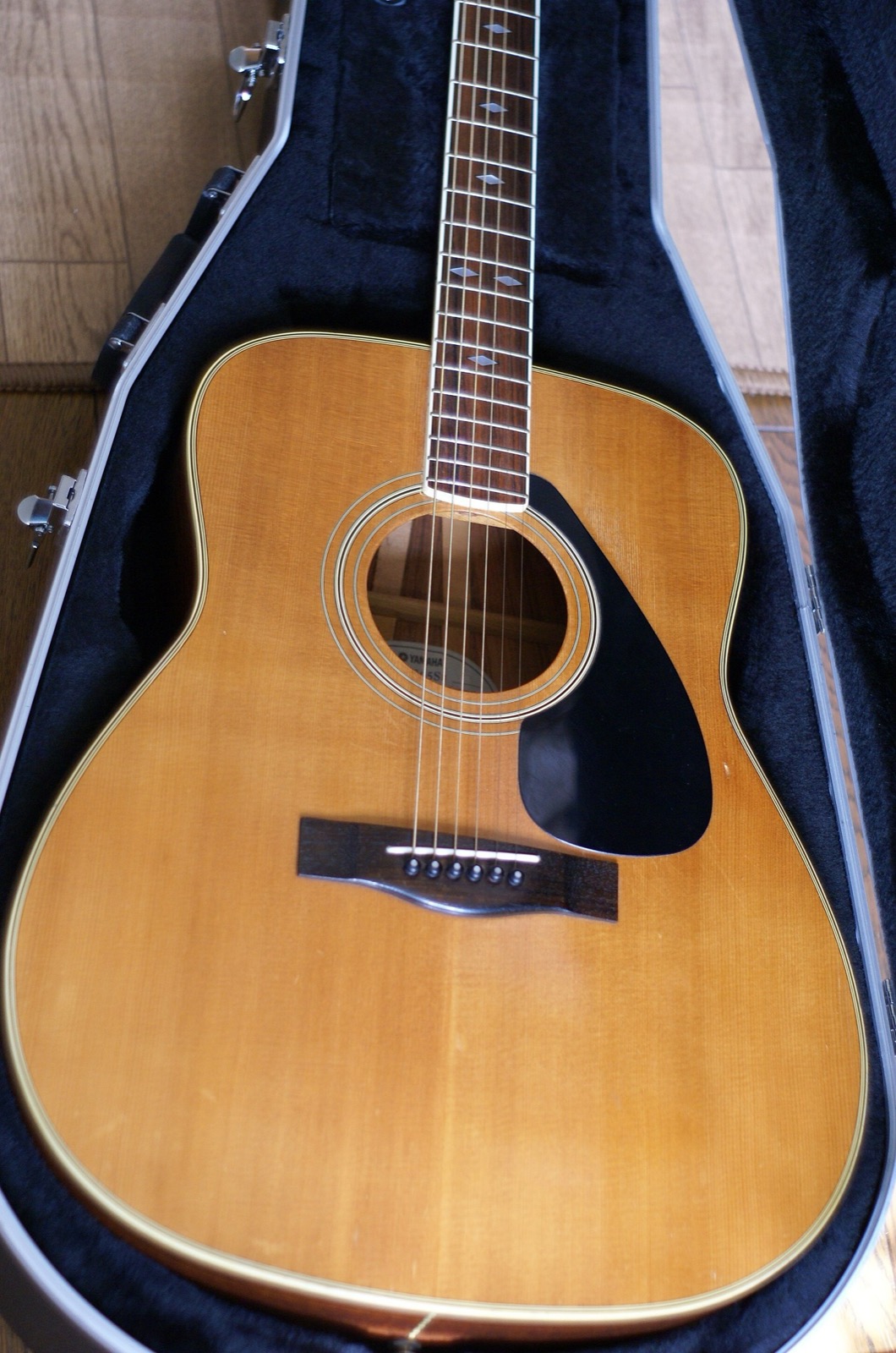
The FG7 R is a high-end model made in Japan, arriving in the year that marks 60 years of the FG. Yamaha lists its release date as October 3, 2026. It has a dreadnought body and is designed to support singer-songwriters who mainly play with a strumming style.
The “R” identifies the wood used for the back and sides. The FG7 R uses Indian rosewood. Here are its key specifications:
- Top: solid Sitka spruce
- Back and sides: solid Indian rosewood
- Body: dreadnought style
- Bracing: scalloped X bracing with a reinforced back structure
- Neck: mahogany with a slightly rounded V profile
- Fingerboard: ebony
- Nut and saddle: bone
- Tuners: Gotoh open-gear type
- Included: hard case
- Made in Japan
A solid top is carved from a single piece of wood. The FG7 R uses solid wood not only for the top, but also for the back and sides. Yamaha says the combination of Sitka spruce and Indian rosewood helps the sound carry and stay clear, with deep bass and sustained highs.
The FG7 R is an acoustic-only model. The lineup also includes the FG7 RX, which has a pickup, but R and RX are different model numbers. If you often plug into an amp, choosing a model with a pickup is straightforward. If you mainly play acoustically, an instrument like the FG7 R is an option.
Which FG / FS should you buy today?
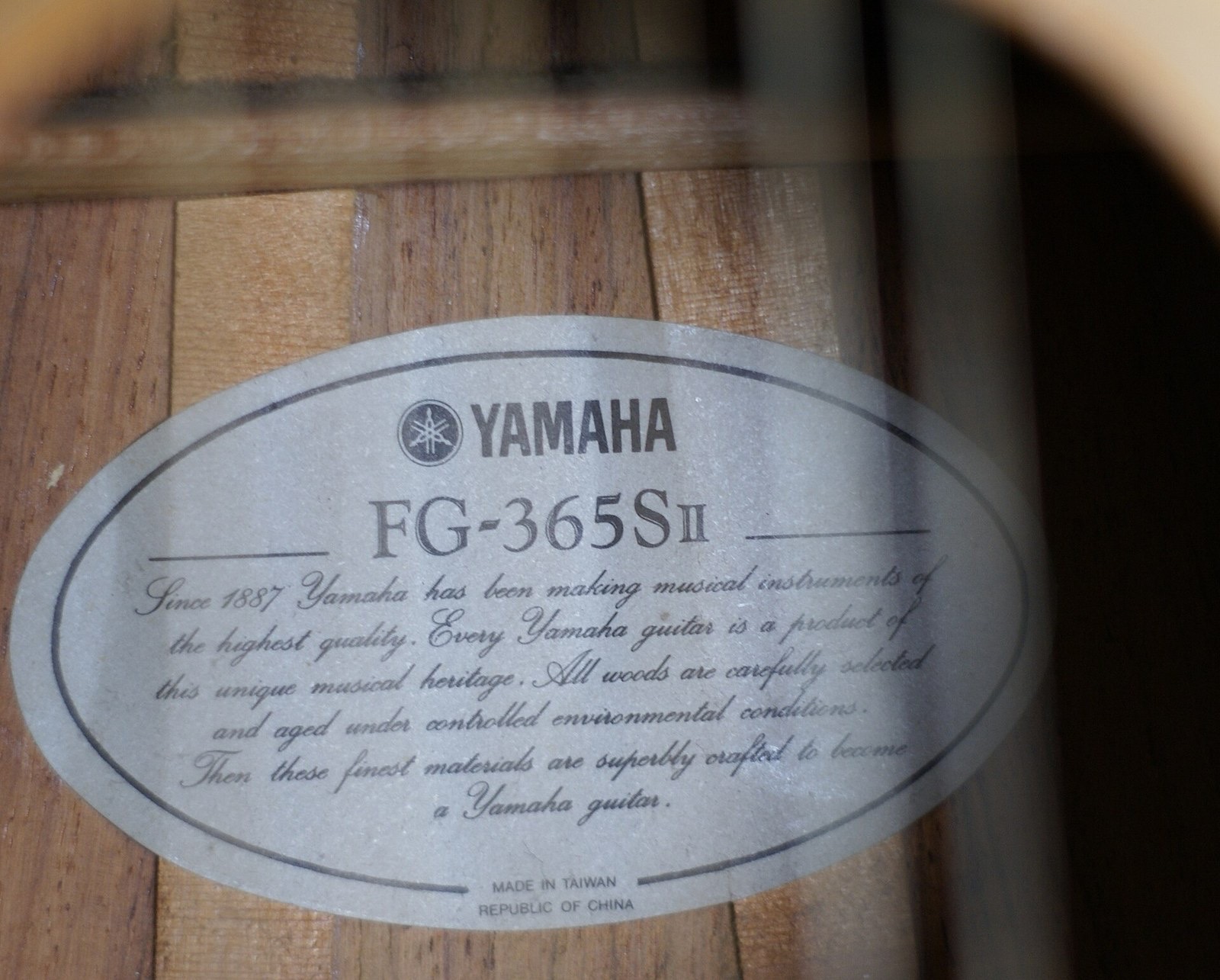
The FG / FS series includes several models to suit different body sizes, playing styles, and budgets. Rather than focus on prices here, let's sort through the options by shape and use. Check with a dealer for current specifications and availability before buying.
- FG820: A dreadnought and a classic choice for a first guitar. It has a solid spruce top, and suits players who want to sing along with strummed chords or want the generous volume of an acoustic guitar.
- FS820: A smaller folk shape in the same series as the FG820. It is an option if you want a more manageable body or enjoy arpeggios and fingerpicking. Try it beside the FG820 and see how each sits against your arms and shoulders.
- FG3: A dreadnought that brings together the Red Label look and modern design. It suits players moving up from a standard model who are considering finer materials or a Japanese-made guitar.
- FG9: Yamaha's flagship-level dreadnought. It is an option for players who care about materials and construction and want a premium instrument to keep for years. If you prefer a smaller body, compare it with the FS9 from the same 9 series.
Don't choose by model number alone. Check how the guitar sits in your arms and how the neck feels. Beginners can focus on whether it is comfortable to hold. If you are upgrading, start with what your current guitar lacks: volume, body size, or a pickup, for example.
Looking back on 60 years of the FG
Born in 1966, the FG-180 became known in Japan and abroad as a pioneering Japanese-made folk guitar, played by performers and countless other guitarists. After the Red Label era, the FG grew into a series spanning a wide range of prices. Today, the lineup includes high-end models made in Japan.
The FG7 R is part of that continuing story. Its large dreadnought body, solid Sitka spruce and Indian rosewood, and Japanese manufacture come together in a guitar aimed at players who value accompaniment for singing.
Whether you are choosing a first guitar or replacing one you have played for years, start by finding the shape that suits the way you play. Pick up an FG and an FS and compare them. Within a series that has lasted 60 years, you can find the instrument that fits you today.
The FG through the years
- 1966: The FG-180 and FG-150 are released, beginning Yamaha's folk guitar line.
- Around 1968–around 1972: A red label is used inside the sound hole of the FG-180.
- 1971: The FG1500, FG2000, and FG2500 arrive.
- 1972: The pickup-equipped FG350E arrives.
- 2016: The FG180-50TH is released.
- 2019: The FG / FS Red Label series is released.
- 2023: The flagship FG9 is released.
- 2024: The FS9 is released.
- 2026: The Japanese-made high-end FG7 / FS7 models are released.
Photo credits
- Header image, “Yamaha FG-365SII Acoustic Guitar.jpg” (cropped) — Fourinthemorning / Wikimedia Commons / CC BY-SA 3.0
- “Yamaha Acoustic Guitar FG-331v2.jpg” — Veradrive / Wikimedia Commons / CC0
- “Yamaha FG-365SII Acoustic Guitar.jpg” — Fourinthemorning / Wikimedia Commons / CC BY-SA 3.0
- “Yamaha FG-365SII label.jpg” — Fourinthemorning / Wikimedia Commons / CC BY-SA 3.0
License: CC BY-SA 3.0.